
Oil Prices Slip Rising Opec Output Tariff Fears Weigh Outlook
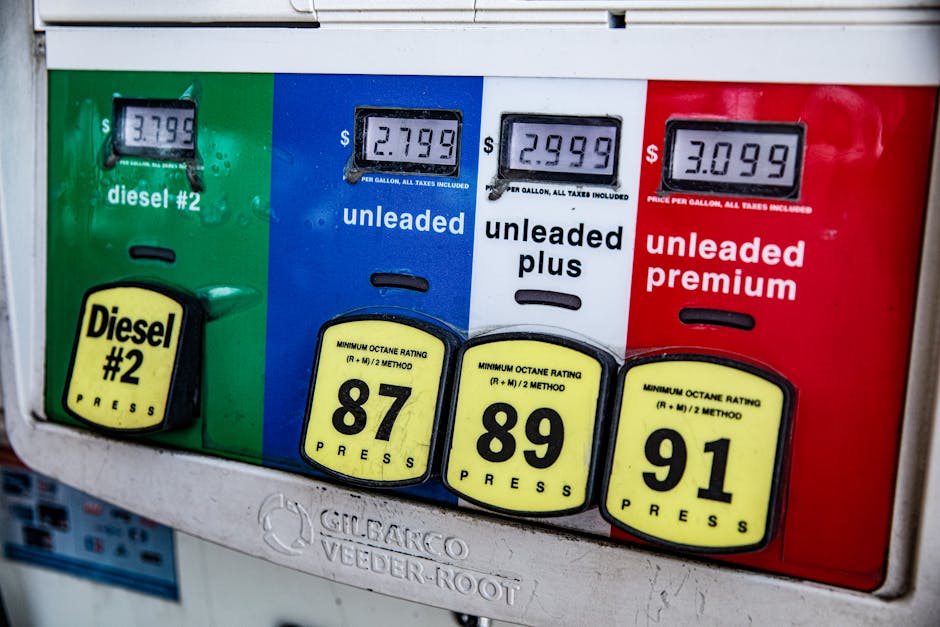
Oil Prices Slip as Rising OPEC Output and Tariff Fears Weigh on Outlook
Global oil prices are experiencing a downward trend, a significant recalibration driven by a confluence of factors. The primary catalysts are the anticipated increase in production from OPEC and its allies, a group often referred to as OPEC+, coupled with growing apprehension surrounding potential trade tariffs and their broader economic ramifications. This dual pressure is creating headwinds for oil markets, suggesting a period of price moderation or even decline in the near to medium term. The intricate interplay between supply-side adjustments and demand-side concerns, amplified by geopolitical and economic uncertainties, is painting a complex picture for the oil sector. Traders and analysts are closely monitoring these developments, as shifts in oil prices have far-reaching consequences for inflation, consumer spending, industrial output, and the financial health of oil-producing nations.
The recent signals from OPEC+ indicate a deliberate move towards increasing crude oil production. This decision, often a response to perceived market tightness and the desire to capture market share, directly impacts the global supply dynamic. For months, OPEC+ has maintained production cuts, a strategy designed to bolster prices and stabilize the market following a period of volatility. However, with many economies showing signs of recovery, albeit uneven, and with certain member nations seeking to maximize revenues, the consensus has shifted towards easing these restrictions. The precise volume of the increase remains a subject of debate and depends on individual country quotas, but the general direction is towards injecting more barrels into the global market. This increased supply, all else being equal, exerts downward pressure on prices. The market’s reaction is often immediate and pronounced, as futures contracts price in expected future supply levels. Furthermore, the announcement of increased output can trigger a psychological impact, leading traders to anticipate a less supportive price environment, thus encouraging selling.
Complementing the supply-side pressure is the escalating concern over global trade tensions, particularly the looming threat of new tariffs. While specific tariff targets and magnitudes can vary, the general sentiment is that increased trade barriers will dampen global economic growth. Tariffs, by increasing the cost of imported goods, can lead to higher inflation and reduced consumer purchasing power. For businesses, they can disrupt supply chains, increase input costs, and make exports less competitive. A slowdown in global economic activity directly translates to a decrease in demand for oil, which is a fundamental commodity powering industrial processes, transportation, and various other economic activities. The International Monetary Fund (IMF) and other economic institutions have repeatedly cautioned about the detrimental effects of protectionist policies on global growth. As these tariff fears intensify, investor confidence can wane, leading to a broader risk-off sentiment in financial markets. This risk aversion often spills over into commodity markets, including oil, as investors reduce their exposure to assets perceived as being more sensitive to economic downturns.
The interplay between these two forces – increased supply and diminished demand expectations – creates a powerful downward tug on oil prices. Historically, when OPEC+ increases output, it’s often done with the expectation of robust demand to absorb the extra supply without significantly impacting prices. However, when this increased supply coincides with legitimate concerns about weakening global demand due to trade friction, the balance of power shifts decisively towards the bears. The market anticipates a scenario where there will be more oil available than can be consumed, leading to an oversupply situation and subsequent price declines. This is a classic supply-demand imbalance, but amplified by the uncertainty and potential for further negative shocks stemming from trade disputes.
Several key indicators and market dynamics are currently reflecting this bearish sentiment. The forward curve for oil futures, which plots prices for delivery in future months, might begin to show contango, where future prices are higher than spot prices. This signals expectations of ample supply in the future. Furthermore, inventory levels, particularly in major consuming regions like the United States and Europe, will be closely watched. A sustained build-up in crude oil and refined product inventories would confirm the oversupply narrative and reinforce downward price pressures. Geopolitical events, while always a factor in oil markets, are currently taking a backseat to the more tangible economic concerns of supply increases and trade friction. However, any unexpected escalation in regional conflicts could temporarily inject volatility and provide a brief respite for prices.
The impact of falling oil prices, if the current trend persists, will be multifaceted. For oil-importing nations, it generally translates to lower energy costs, which can alleviate inflationary pressures and boost consumer disposable income. This could, in turn, stimulate domestic demand and support economic growth. However, for oil-exporting nations, a sustained decline in prices can have severe economic consequences, leading to reduced government revenues, balance of payment deficits, and potential social unrest if fiscal adjustments are not managed effectively. Countries heavily reliant on oil exports, such as those in the Middle East, Africa, and parts of Latin America, will need to diversify their economies and fiscal structures to mitigate such risks.
For the energy industry itself, lower oil prices can impact investment decisions. Companies may scale back exploration and production activities, potentially leading to a slowdown in future supply growth. This could create the conditions for future price rallies if demand eventually outstrips supply again. However, in the short to medium term, the focus will be on cost management and operational efficiency. The renewable energy sector, while still facing its own challenges, may see a relative boost in competitiveness as fossil fuel prices decrease, although the long-term trend towards decarbonization is likely to remain the dominant driver of investment in renewables.
The role of the Federal Reserve and other central banks in managing inflation and economic growth will also be crucial. If rising oil prices were a significant contributor to inflation, a decline in oil prices could provide central banks with more room to maneuver, potentially easing monetary policy or delaying further interest rate hikes. Conversely, if tariff-related inflation is the primary concern, the impact of falling oil prices might be less significant in terms of overall inflation control, as the focus remains on the price increases in manufactured goods and other impacted sectors.
Looking ahead, the outlook for oil prices remains uncertain and subject to a dynamic interplay of factors. The extent to which OPEC+ proceeds with its output increases, the severity and scope of any new tariffs, and the overall resilience of the global economy in the face of these headwinds will determine the trajectory of oil prices. Market participants will be scrutinizing economic data releases, geopolitical developments, and the rhetoric from policymakers to gauge future price movements. A significant escalation in trade disputes could trigger a sharper downturn in oil prices, while a diplomatic resolution or a stronger-than-expected global economic performance could provide some support. The current bearish sentiment, however, is well-founded, stemming from tangible shifts in supply dynamics and credible threats to global demand. The market is recalibrating its expectations, and the era of consistently high oil prices, at least in the immediate future, appears to be on hold. The nuanced interplay of these factors necessitates a cautious and data-driven approach for all stakeholders involved in the global oil market. The coming months will be critical in determining whether the current slip in oil prices is a temporary correction or the beginning of a more prolonged period of price moderation. The inherent volatility of oil markets means that unexpected events can always alter the landscape, but the current headwinds are substantial and well-articulated.
