
On The Front Lines Of Diplomacy But At The Back Of The Vaccine Queue
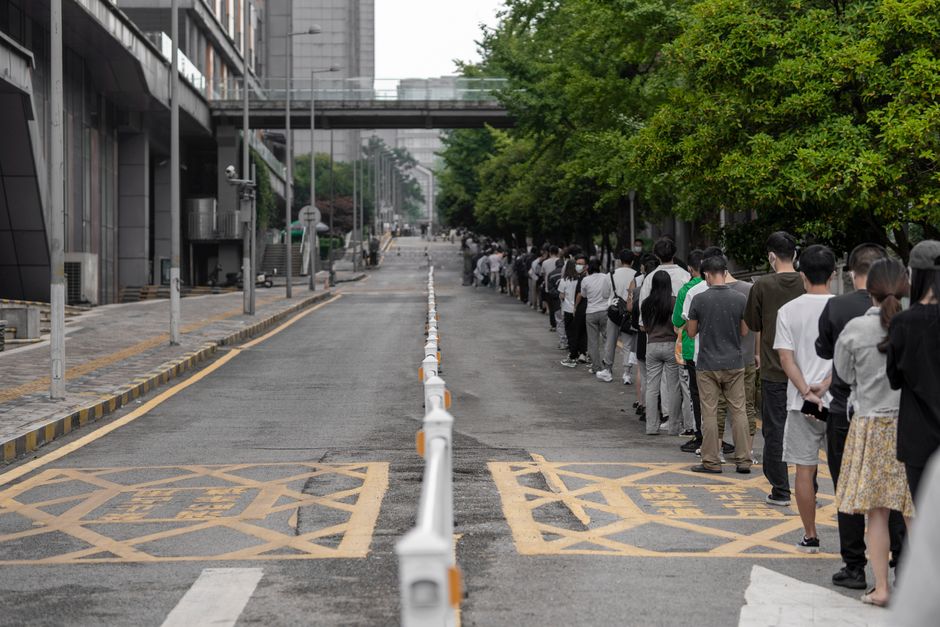
The Diplomacy Paradox: On the Front Lines, Yet at the Back of the Vaccine Queue
The stark reality of global vaccine distribution has exposed a critical paradox: nations whose diplomats are at the forefront of international cooperation, mediating conflicts, and negotiating vital agreements, often find themselves relegated to the back of the line when it comes to accessing life-saving vaccines. This isn’t a hypothetical scenario; it’s a lived experience for many countries, and it carries profound implications for global health security, international relations, and the very effectiveness of diplomacy in a post-pandemic world. The narrative of "vaccine nationalism," where wealthy nations secure vast quantities for their own populations before considering others, has directly impacted the ability of less economically powerful states to protect their essential personnel, including those engaged in diplomatic work.
Diplomatic missions are more than just embassy buildings; they are hubs of essential activity. Diplomats, consular staff, and their families, often stationed in countries with varying levels of health infrastructure and pandemic control, are inherently exposed. They engage with local officials, attend public events, and navigate the daily realities of their host nations. Their health is not merely a personal concern; it is a matter of national interest. The disruption of diplomatic functions due to illness or quarantine can cripple a country’s ability to represent its interests abroad, to provide services to its citizens in distress, or to participate effectively in critical multilateral forums. When diplomats fall ill or are forced to self-isolate, the wheels of international relations can grind to a halt, impacting everything from trade negotiations to humanitarian aid coordination.
The inequitable distribution of vaccines has not been a passive byproduct of market forces alone. It has been shaped by strategic procurement, tiered pricing, and the sheer economic leverage of developed nations. Wealthier countries, with their robust healthcare systems and financial resources, were able to pre-purchase vast quantities of vaccines, often multiple times over, before many developing nations could even secure initial orders. This has created a stark dichotomy where the vaccinated populations of privileged nations are gradually reopening and recovering, while others, including their diplomatic corps, remain vulnerable. This uneven playing field directly undermines the principle of equitable access to global public goods, a concept that diplomacy strives to uphold.
The consequences of this vaccine disparity for diplomatic operations are multifaceted and severe. Firstly, it compromises the ability of diplomats to perform their duties. A diplomat who is unvaccinated or has limited access to vaccines is a higher risk in a variety of in-person interactions. This can lead to reduced physical presence at critical meetings, increased reliance on virtual communication which can be less effective for nuanced negotiations, and a general hesitancy to engage in the kind of proactive, on-the-ground diplomacy that is often required. The ability to build trust and rapport, a cornerstone of diplomatic success, is significantly hampered when physical interaction is limited or fraught with health concerns.
Secondly, the health of diplomatic staff becomes a bargaining chip, albeit an unintended one. When a country’s diplomats are unvaccinated or have limited vaccine access, it can create vulnerabilities that adversaries or competing powers can exploit. This could manifest in subtle ways, such as creating logistical hurdles for un-vaccinated diplomats or, in more extreme scenarios, leveraging health concerns to exert pressure. The principle of diplomatic immunity, designed to protect diplomats and their functions, is severely tested when the very health of these individuals is compromised due to a lack of essential medical resources.
Thirdly, the concept of reciprocity in diplomatic relations is complicated. If one nation’s diplomats are readily vaccinated and can travel and interact freely, while the diplomats of another nation are restricted due to vaccination status, it creates an imbalance in how diplomatic missions operate and are treated. This can lead to friction and resentment, further straining bilateral relationships. The equitable treatment of diplomatic personnel, a fundamental aspect of international law and practice, is challenged when vaccine access is so profoundly unequal.
Furthermore, the impact extends beyond the immediate diplomatic corps. Spouses, children, and other family members of diplomats also reside in the host country and are subject to the same local health protocols and vaccine availability. The anxiety and uncertainty surrounding their health can significantly impact the morale and effectiveness of diplomatic staff, leading to potential rotations or even the premature departure of personnel, further disrupting diplomatic continuity.
The narrative of diplomats being "on the front lines" of international relations, working to maintain peace, foster trade, and promote understanding, is often celebrated. However, the reality of being at the "back of the vaccine queue" starkly contradicts this image. It highlights a systemic failure in global health governance and a disconnect between the rhetoric of international cooperation and the practicalities of resource allocation. The very individuals tasked with navigating complex global challenges are left vulnerable by the same global system they are working to improve.
The long-term implications of this vaccine disparity are far-reaching. It risks exacerbating existing inequalities, undermining the legitimacy of international institutions, and creating a more fragmented and less secure world. If diplomats from developing nations continue to be perceived as expendable or less deserving of protection, it sends a dangerous message about the value placed on their countries and their contributions to the global community. This can erode trust in multilateralism and push nations towards more unilateral approaches.
Addressing this paradox requires a fundamental shift in how global health security is approached. It necessitates a more equitable and proactive distribution of vaccines, not just based on economic capacity but on the essential nature of the roles played by individuals. This includes prioritizing vaccination for diplomatic personnel, essential service providers, and vulnerable populations in all countries, regardless of their income level. International organizations, such as the World Health Organization and COVAX, have a critical role to play in ensuring that vaccine distribution mechanisms are truly equitable and that the needs of all nations are considered.
Moreover, the international community needs to recognize the strategic importance of ensuring the health and safety of diplomatic personnel. This is not simply a matter of humanitarian concern; it is a prerequisite for effective diplomacy and for the maintenance of global stability. Investing in the vaccination of diplomats is an investment in the continuity of international dialogue and cooperation.
The current situation also presents an opportunity for reform. The pandemic has exposed the fragilities of existing global health architectures. Moving forward, there needs to be a stronger emphasis on preparedness, equitable access to medical countermeasures, and a commitment to shared responsibility. This includes building robust domestic health systems in all countries and ensuring that international aid and support are directed towards strengthening these systems.
The diplomats who are working tirelessly to bridge divides and foster understanding in a world grappling with unprecedented challenges deserve the basic protection that vaccines offer. Their presence on the front lines of diplomacy is vital, and their placement at the back of the vaccine queue is a disservice not only to them but to the very principles of international cooperation they represent. The international community must move beyond rhetoric and demonstrate a tangible commitment to ensuring that those who work to build a more peaceful and prosperous world are themselves protected and empowered to do so. The future of diplomacy, and indeed global stability, may well depend on it. The narrative of "vaccine diplomacy" has often focused on the geopolitical maneuvering of wealthy nations securing doses. However, the story of diplomats on the ground, facing daily risks without adequate protection, offers a starkly different perspective – one of vulnerability and the urgent need for a more just and equitable global health order. This is not just about individual lives; it’s about the functioning of the international system itself.
