
Philippines Elections Results Senate Duterte Marcos Drug War Political Dynasties
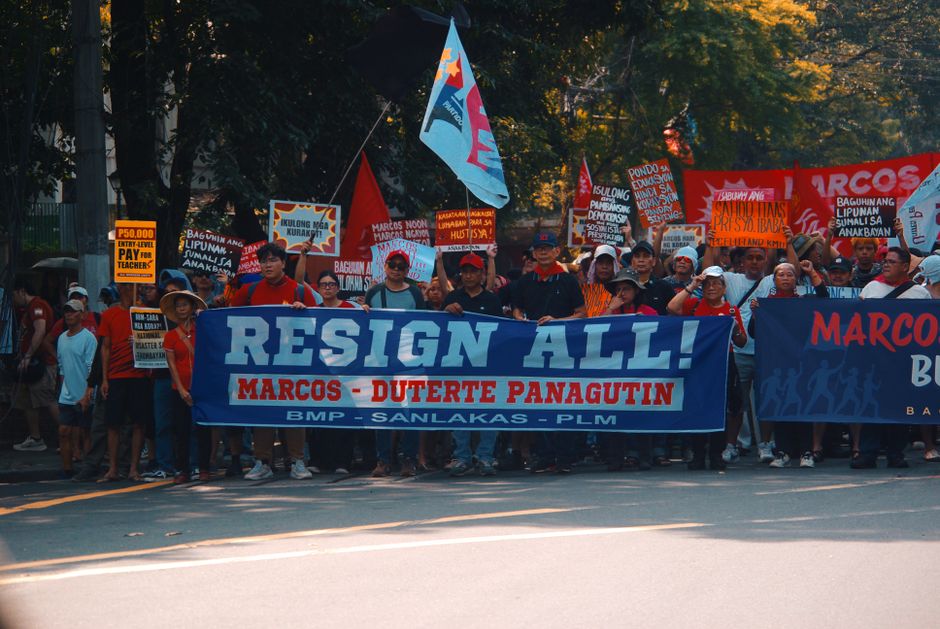
Philippines Election Results: Senate, Duterte Legacy, Marcos Influence, and the Drug War’s Shadow
The recent Philippines election results have solidified the ascendance of the Marcos name and underscored the enduring political power of certain families, while simultaneously signaling a continuation, albeit with potential shifts in emphasis, of policies associated with the Duterte administration, particularly concerning the controversial "war on drugs." The senatorial elections, in particular, have seen a significant win for candidates aligned with the incoming Marcos presidency, with many established political dynasties securing re-election or placing their scions in positions of power. This outcome is not merely a reflection of individual candidate popularity but a complex interplay of historical loyalties, strategic alliances, and the pervasive influence of money and patronage networks that characterize Philippine politics. The success of candidates with prominent surnames, many of whom are linked through blood or marriage to generations of political leaders, highlights the persistent challenge of breaking the cycle of political dynasties, a phenomenon that critics argue stifles genuine democratic competition and perpetuates inequality.
The election results offer a stark testament to the continued dominance of political dynasties in the Philippines. Families like the Marcoses, Romualdezes, and Aquinos, despite varying degrees of public approval, have once again demonstrated their ability to mobilize resources and secure electoral victories for their kin. The return of Ferdinand "Bongbong" Marcos Jr. to the presidency, coupled with the strong performance of his allies in the senatorial race, marks a significant moment, echoing a historical chapter while setting a new direction for the nation. The Senate, often envisioned as a check on executive power, now finds itself with a substantial bloc of senators closely aligned with the new administration. This concentration of power within established families and their political networks raises concerns about accountability and the potential for a further entrenchment of a system where political positions are viewed as hereditary rights rather than public trusts. The campaign strategies employed by these dynasties often involve extensive grassroots mobilization, media saturation, and the leveraging of local networks built over decades, a testament to their deep roots in the Philippine political landscape.
The legacy of the Duterte administration, particularly its highly controversial "war on drugs," casts a long shadow over the current election results and the future policy landscape. Ferdinand "Bongbong" Marcos Jr., while not directly a proponent of the same rhetoric as his predecessor, has largely adopted a stance that suggests a continuation, or at least a pragmatic engagement with, the established approach to crime and illicit substances. The human rights implications of the thousands of deaths associated with the anti-drug campaign under Duterte have drawn international condemnation, and many observers will be keenly watching whether the new administration introduces any significant reforms or adopts a more rights-respecting approach. The election of senators who either supported or remained largely silent on the drug war suggests a public appetite for security and order, even at the cost of civil liberties, or perhaps a weariness with the complexities of the issue. The rhetoric surrounding the drug war often focused on swift justice and decisive action, resonating with segments of the population disillusioned with the perceived ineffectiveness of traditional law enforcement.
The influence of the Marcos name in Philippine politics has been a subject of intense scrutiny and debate. The electoral victory of Ferdinand "Bongbong" Marcos Jr. represents a remarkable resurgence for a family that was ousted from power in a popular uprising over three decades ago. This comeback is attributed to a multifaceted strategy that included extensive social media campaigns, a historical revisionism narrative, and a focus on national unity and economic recovery. The impact of this resurgence on the Senate and other legislative bodies is significant. Allies and supporters of the Marcoses have been elected, potentially shaping the legislative agenda for years to come. The historical narrative surrounding the Marcos era, particularly the economic progress and infrastructure development often highlighted by supporters, has clearly found resonance with a segment of the electorate, overshadowing concerns about human rights abuses and corruption that characterized the Martial Law period. This successful rebranding of the Marcos legacy presents a challenge for those seeking to hold past administrations accountable.
The ongoing debate surrounding the "war on drugs" will undoubtedly continue to be a critical issue for the new administration and the newly elected Senate. While the rhetoric may evolve, the underlying challenges of drug trafficking and addiction remain. The question is whether the focus will shift from punitive measures and extrajudicial killings to a more comprehensive approach that includes prevention, rehabilitation, and addressing the socio-economic factors that contribute to drug abuse. The international community will be closely observing any policy changes, particularly in relation to human rights and due process. The economic implications of a prolonged or intensified "war on drugs," including its impact on investment and trade, are also crucial considerations. The election results, with a strong mandate for the new administration, may embolden them to continue with established policies, but the persistent criticisms and the potential for international pressure could necessitate a recalibration of strategies.
The economic policies and development agendas promoted by candidates often play a significant role in election outcomes, and the recent Philippines elections were no exception. The Marcos administration has signaled a focus on economic growth, infrastructure development, and attracting foreign investment. The senatorial composition will be crucial in either facilitating or hindering these policy ambitions. The influence of political dynasties extends to their ability to control and direct economic resources within their constituencies, further entrenching their power. The reliance on patronage and the distribution of resources often forms the bedrock of their electoral machinery. Critics argue that this system perpetuates economic disparities and hinders inclusive growth, as opportunities are often channeled through established networks rather than meritocratic principles. The effectiveness of the new administration’s economic plans will be heavily dependent on its ability to navigate these complex patronage systems and foster a more equitable distribution of economic benefits.
The role of media and information dissemination in shaping public opinion during election campaigns cannot be overstated. The Philippines election cycle has been increasingly influenced by social media, with both traditional and digital platforms playing a crucial role in campaign messaging and voter mobilization. The Marcos campaign, in particular, was noted for its sophisticated use of social media to present a carefully curated narrative. This has led to ongoing discussions about the spread of disinformation and its impact on democratic processes. The election results have highlighted the power of narrative control and the ability of well-resourced campaigns to shape public perception, often by leveraging emotional appeals and simplified solutions to complex problems. The challenge for voters in discerning credible information from propaganda remains a significant concern.
The senatorial elections are particularly important in the Philippines as senators represent the entire nation and have a significant role in national policy-making and oversight. The composition of the Senate following these elections suggests a legislative landscape that may be more amenable to the policy directions of the incoming Marcos administration. This concentration of aligned political power can lead to more efficient passage of legislation, but it also raises concerns about the erosion of checks and balances and the potential for less robust debate and scrutiny of executive proposals. The historical context of the Philippines Senate, often serving as a more independent and critical voice, is now being tested. The influence of established political families, with their deep networks and considerable resources, is a defining characteristic of this outcome.
The continuing discussion around the drug war in the Philippines is not just a domestic issue; it has significant international implications. Human rights organizations, international bodies, and various governments have expressed concern over the extrajudicial killings and the lack of due process associated with the campaign. The election results and the continued alignment of key political figures with the discourse around the drug war suggest that the immediate future may see a continuation of similar approaches, albeit perhaps with a more nuanced public presentation. The international community’s reaction will likely depend on the specific actions taken by the new administration and the extent to which it addresses criticisms regarding human rights and the rule of law. The Philippines’ standing on the global stage, particularly in relation to its human rights record, is a factor that the new government will have to contend with.
The intricate web of alliances and rivalries among political dynasties further shapes the dynamics of Philippine elections. While some families may be aligned on national issues, local power struggles and historical animosities can influence voting patterns and campaign strategies. The success of candidates often depends on their ability to secure endorsements and support from these entrenched networks. This makes it challenging for independent candidates or those from less established political backgrounds to gain traction, as they often lack the financial resources and organizational capacity to compete with these dynastic machines. The election results are a clear indication of the enduring strength of these networks, demonstrating their ability to adapt and maintain influence across generations. The perpetuation of these dynasties is seen by many as a fundamental impediment to genuine democratic reform and social mobility.
The future trajectory of the Philippines under the Marcos administration, with the influence of established political dynasties and the shadow of the drug war, presents a complex set of challenges and opportunities. The electoral mandate has been secured, but the true test will lie in the government’s ability to address the nation’s pressing issues while upholding democratic principles and human rights. The results of this election are not just a snapshot of current public sentiment but a continuation of historical patterns that have profoundly shaped the Philippine political landscape. The interplay of inherited power, evolving public opinion, and the persistent legacy of controversial policies will continue to define the nation’s path forward. The international gaze will remain fixed on the Philippines as it navigates this new political chapter.
