Pulp What Do You Do For An Encore is a definitive retrospective on the enduring legacy of Britain’s most idiosyncratic art-pop ensemble.

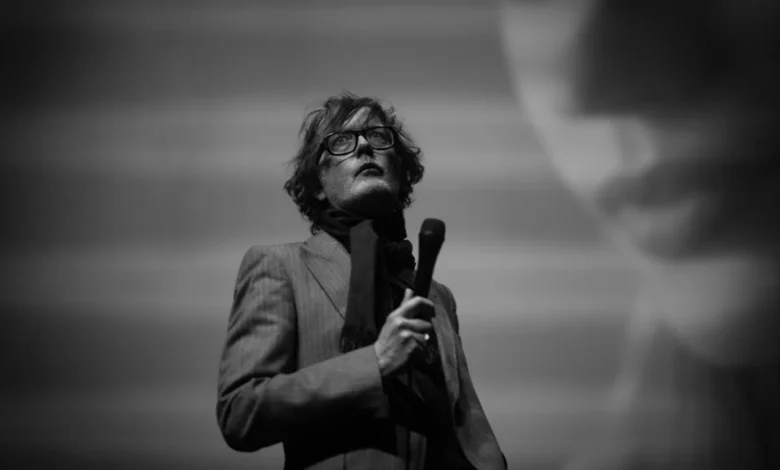
The documentary, directed by Garth Jennings, serves as both a concert film and a biographical study, capturing the Sheffield-born band during their 2024 "victory lap" tour. This series of performances marked the group’s first significant return to the stage following the release of More, their first studio album in 24 years. By weaving together high-fidelity live footage with archival material spanning several decades, the film offers a comprehensive look at the evolution of Pulp from local dreamers to international cultural icons.
The Genesis of a Cultural Phenomenon
The narrative core of the film rests on the early aspirations of frontman Jarvis Cocker. Long before the band reached the stratospheric heights of the mid-1990s Britpop explosion, Cocker was a teenager in Sheffield, obsessively documenting his vision for a band that did not yet exist. The film highlights "The Masterplan," a personal notebook belonging to a 15-year-old Cocker, which contained detailed sketches of band outfits and structural goals for the group.
This inclusion provides viewers with a rare glimpse into the internal logic of a musician who would eventually define the aesthetic of an entire generation. By juxtaposing these early, humble sketches with the spectacle of modern stadium performances, Jennings illustrates the profound impact of self-belief. The film suggests that the success of Pulp was not an accidental occurrence but the result of a long-gestating, meticulously planned creative trajectory.
Chronology of a Two-Decade Struggle
To understand the weight of the band’s resurgence, the documentary provides a necessary historical grounding in the "toilet circuit" years—the long, arduous period of financial instability and commercial obscurity that defined the band’s early career.
- 1978: Jarvis Cocker forms Pulp in Sheffield.
- 1983: The band records their first Peel Sessions for the BBC, signaling a breakthrough in critical attention that would not translate to mainstream success for another decade.
- 1980s–1993: The band navigates a series of lineup changes and financial hardships, characterized by poorly attended university gigs and dangerous stage conditions.
- 1994–1995: The release of His ‘n’ Hers and the subsequent Different Class catapults the band into the national consciousness, cementing their status as the intellectual, queer-positive antithesis to the laddish tropes of Britpop.
- 1998: The release of This Is Hardcore, an album that marked a pivot toward darker, more introspective themes.
- 2023–2024: The release of More and the subsequent tour, marking the first time the band has operated as a cohesive unit in over two decades.
The film effectively utilizes these milestones to contrast the band’s initial desperation with their eventual status as "national treasures." Jennings masterfully edits footage of early, malfunctioning equipment against the backdrop of sold-out 2024 arenas, emphasizing the sheer tenacity required to maintain artistic integrity over such a fractured timeline.
Data and The Economics of a Comeback
The commercial success of the 2024 tour is a testament to the band’s enduring appeal. While the 1990s were marked by intense media scrutiny—captured in the film through a disorienting montage of talk show appearances and encounters with cultural figures like David Bowie and Cher—the current era reflects a different kind of stability.
Industry data suggests that the resurgence of legacy acts has become a dominant trend in the live music market. Pulp’s ability to sell out major venues nearly a quarter-century after their last major studio output highlights a significant shift in consumer behavior, where audiences are increasingly driven by nostalgic resonance and the desire to witness "definitive" performances. The film frames the More tour not as a desperate grab for relevance, but as a deliberate victory lap that acknowledges the weight of the band’s catalog.
Artistic Evolution and Personal Transformation
A central tension in the documentary is the dichotomy between Cocker’s early, anxious persona and his current, composed stage presence. The film captures the frontman engaging in a morning routine involving health supplements—a stark contrast to the narratives of burnout and exhaustion that defined the post-1990s era.
When discussing This Is Hardcore, the film presents it as an artistic masterpiece that functioned, at the time, as a form of career sabotage. The band’s refusal to lean into the pop-friendly expectations of the 1990s allowed them to retain a degree of creative autonomy that, in hindsight, contributed to their longevity. This analysis serves as a commentary on the fleeting nature of fame versus the lasting power of an uncompromising artistic vision.
Implications of the Documentary
What Do You Do For An Encore? is more than a concert film; it is a document of the artistic process. By involving a director known for both emotional depth and children’s entertainment, the documentary manages to maintain a tone of warmth and accessibility, even when dealing with the more cynical aspects of the music industry.
The documentary serves to validate the "Mis-shapes, Mistakes, Misfits" that Cocker championed in his songwriting. For the fans who felt alienated by the dominant cultural narratives of the 1990s, the film offers a sense of closure. It reaffirms that the values Pulp represented—intellectual curiosity, empathy, and the celebration of the outsider—remain relevant today.
Broader Cultural Impact
The film’s release is strategically timed, coinciding with a broader cultural reassessment of the 1990s. As contemporary artists continue to cite the band’s influence, the documentary provides a factual basis for Pulp’s importance. It avoids the pitfall of hagiography by acknowledging the band’s internal pressures, the financial struggles of their early years, and the inherent absurdity of the fame machine.
The inclusion of the classic lineup—Jarvis Cocker, Candida Doyle, Steve Mackey, Russell Senior, Mark Webber, and Nick Banks—reminds the audience that the band was, at its heart, a collaborative effort. The film captures the chemistry between these members, which remains intact despite the passage of time.
Conclusion
Pulp: What Do You Do For An Encore? stands as a vital piece of music journalism. It bridges the gap between the band’s historical significance and their modern-day relevance. By grounding its narrative in the physical evidence of Cocker’s early dreams and the logistical reality of their touring career, the film provides a grounded, objective, and deeply human portrait of one of Britain’s most significant musical acts. It is a cinematic reflection on the nature of ambition, the cost of success, and the unexpected joy of finding an encore long after the final curtain was expected to fall.
The documentary is scheduled for a limited UK theatrical release on September 18, followed by a broader digital debut on MUBI on September 25. For researchers, music historians, and fans alike, it offers a definitive record of how a group of Sheffield outsiders effectively "queered up" the mainstream and solidified their place in the pantheon of rock music history.