
Robinhood And Citadel Come Under Fire During Reddit Rally Hearing
Robinhood and Citadel Face Scrutiny Amidst Reddit Rally Hearing
The seismic market event colloquially known as the “Reddit rally,” which saw an unprecedented surge in the stock prices of certain companies, most notably GameStop, brought a spotlight onto the intricate workings of the modern financial system. Central to this scrutiny were two major entities: Robinhood, the commission-free trading platform that became the gateway for many retail investors to participate in the rally, and Citadel, a prominent quantitative trading firm and market maker that played a significant role in the market’s volatility. A subsequent congressional hearing, designed to dissect the mechanics and implications of this market upheaval, placed both Robinhood and Citadel under intense examination, exposing underlying tensions between retail investors, Wall Street institutions, and regulatory bodies. The hearing aimed to understand how a confluence of social media sentiment, digital trading platforms, and sophisticated financial market participants could lead to such dramatic price swings, and crucially, whether the existing regulatory framework was adequate to prevent market manipulation or unfair practices.
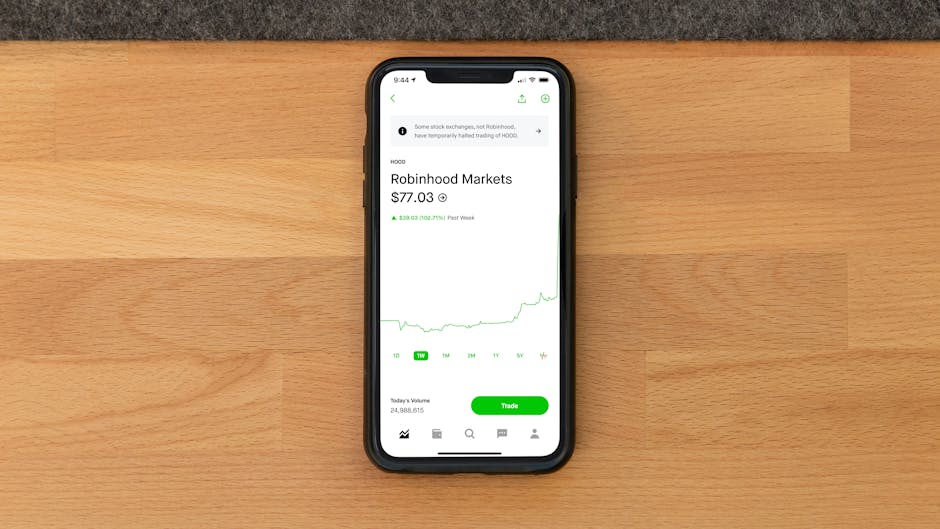
The core of the controversy revolved around Robinhood’s decision to restrict trading on a select list of heavily traded stocks, including GameStop, AMC, and others, during the peak of the rally. This move, announced on January 28, 2021, was met with widespread outrage from retail investors who felt their access to the market was being unfairly curtailed. Robinhood CEO Vlad Tenev, during his testimony, explained that the restrictions were not an arbitrary decision but a necessity driven by regulatory capital requirements. He detailed the complex process of clearing and settlement in the equities market, which involves a clearinghouse, the Depository Trust & Clearing Corporation (DTCC), acting as an intermediary. This intermediary requires brokers like Robinhood to deposit margin, or collateral, to guarantee trades. Tenev asserted that the unprecedented trading volume and volatility of the meme stocks forced Robinhood to deposit billions of dollars in collateral with the DTCC, far exceeding its available capital. To mitigate these financial risks and meet its obligations, Robinhood was compelled to restrict certain buy orders. This explanation, however, did little to assuage the anger of many retail investors, who viewed it as a capitulation to pressure from larger financial institutions, particularly hedge funds that were heavily short on the affected stocks. The narrative that Robinhood had sided with Wall Street against Main Street gained significant traction, fueling further distrust in the financial system.
Citadel, led by Ken Griffin, also found itself squarely in the crosshairs of the congressional inquiry. Citadel Securities, a distinct but affiliated entity, is one of the largest market makers in the United States, a crucial component of the stock market’s plumbing. Market makers are responsible for providing liquidity by quoting both buy and sell prices for securities, ensuring that there are always willing buyers and sellers. During the Reddit rally, Citadel Securities was a significant counterparty to Robinhood’s trades, through Robinhood’s order flow payment arrangements. This means that Robinhood routed its customer orders to market makers like Citadel Securities, which in turn executed those orders and paid Robinhood for the privilege. This practice, known as "payment for order flow" (PFOF), came under intense scrutiny. Critics argued that PFOF creates a conflict of interest, incentivizing brokers to prioritize order execution that benefits the market maker rather than the customer. During the hearing, Griffin vehemently defended Citadel’s practices, stating that Citadel Securities acted as a market maker and that its role was to provide liquidity, which ultimately benefited investors by narrowing the bid-ask spread and facilitating smoother trading. He emphasized that Citadel Securities did not profit from the price movements of the meme stocks and that its market-making activities were transparent and compliant with all regulations. However, the sheer scale of Citadel’s involvement, coupled with its position as a major player in the short-selling world through Citadel LLC, fueled suspicions that the firm may have exerted undue influence on Robinhood’s trading restrictions.
The concept of short selling and its role in the Reddit rally was another focal point of the hearing. Hedge funds, notably Melvin Capital, had taken substantial short positions in GameStop, betting that the stock price would fall. When retail investors, coordinated through online forums like Reddit’s r/WallStreetBets, began aggressively buying GameStop shares, they created a "short squeeze." This occurs when a rapidly rising stock price forces short sellers to buy shares to cover their losses, further driving up the price. Citadel, through its various entities, was a significant investor in Melvin Capital and also engaged in market-making activities that could have indirectly impacted the short squeeze. The hearing explored whether Citadel or other large institutions had engaged in any form of market manipulation to exacerbate the situation or to protect their short positions. Griffin denied any wrongdoing, asserting that Citadel’s investments were separate from its market-making operations and that the firm adhered strictly to ethical and legal standards. He highlighted the inherent risks associated with short selling and pointed to the speculative nature of the meme stock surge as the primary driver of the market turmoil.
The hearings also delved into the technological infrastructure and operational capabilities of trading platforms like Robinhood. The immense surge in user activity and order volume during the rally exposed potential vulnerabilities in these systems. Tenev acknowledged that Robinhood experienced technical difficulties and outages, which further frustrated users. He attributed these issues to an overwhelming influx of traffic that strained their systems, underscoring the challenges of scaling digital platforms to accommodate unprecedented demand. The ability of retail investors to mobilize and execute trades at such scale also raised questions about the speed and efficiency of the market’s clearing and settlement processes. The traditional T+2 (trade date plus two business days) settlement cycle was highlighted as potentially lagging behind the pace of modern digital trading, creating a lag in the flow of funds and increasing the risk for brokers and clearinghouses.
Regulatory oversight and the adequacy of existing rules were central themes throughout the hearing. Lawmakers expressed concern that the current regulatory framework might not be equipped to handle the evolving landscape of retail investing, social media-driven market movements, and the complex interplay between high-frequency trading, market making, and order flow payments. The Securities and Exchange Commission (SEC), which oversees U.S. securities markets, was also called upon to explain its role and responsiveness during the event. Representatives from the SEC testified about their monitoring of market activity and their ongoing investigations into potential rule violations. The hearing served as a catalyst for discussions about potential regulatory reforms, including stricter rules around payment for order flow, enhanced capital requirements for brokers, and improved transparency in market-making operations. There was a clear sentiment among some policymakers that greater protections were needed to ensure a fair and orderly market, particularly for individual investors.
The broader implications of the Reddit rally and the subsequent hearings extended beyond the immediate market disruption. It sparked a national conversation about financial literacy, access to capital markets, and the perceived inequities within the financial system. For many retail investors, the event represented a David-and-Goliath struggle against established Wall Street institutions, and their perceived victory in driving up meme stock prices was a moment of empowerment. However, the subsequent trading restrictions and the focus on the actions of Robinhood and Citadel highlighted the complexities and risks inherent in this type of market activity. The hearings served as a crucial inflection point, forcing a re-examination of the roles of technology, market participants, and regulators in ensuring the integrity and accessibility of the financial markets. The outcomes of these discussions and the potential for regulatory changes will likely shape the future of retail investing and the structure of Wall Street for years to come, with the actions of Robinhood and Citadel remaining central to the narrative of this transformative market event.
