COP31 Climate Summit: Navigating Geopolitical Fractures and Urgent Climate Action in Antalya

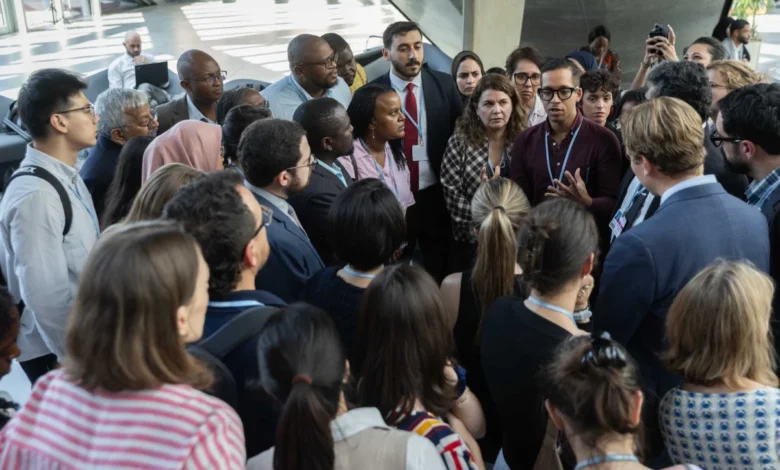
As global temperatures continue to reach unprecedented levels and the geopolitical landscape remains strained by ongoing conflicts and economic volatility, delegates are set to descend upon the Turkish resort city of Antalya for the 31st United Nations Climate Change Conference (COP31). This year’s summit carries the weight of a world in transition, with a unique joint presidency structure—Australia leading the diplomatic negotiations and Turkey serving as the host nation—that reflects the complex, multi-polar nature of modern climate diplomacy.
The stakes for COP31 are significantly higher than those of its predecessors. With 2026 marked by severe climate extremes and a shifting global energy paradigm exacerbated by energy crises, the conference faces the dual challenge of maintaining momentum for the Paris Agreement while navigating the withdrawal of major powers from international climate commitments and the tightening of public purse strings among donor nations.
A Chronology of Climate Ambition
The path to COP31 has been marked by a series of critical milestones and stalled negotiations. Following the landmark agreements reached at COP30 in Belém, Brazil, in 2025, the international community has spent the last 18 months attempting to operationalize the "Belém-Antalya Mechanism" (BAM), a framework designed to ensure a "just transition" for workers and industries as they pivot away from carbon-intensive models.
In June 2026, preparatory talks in Bonn, Germany, served as a stress test for the current negotiating environment. The sessions highlighted deep-seated divisions over the scope of the just transition and the role of financial mechanisms in supporting it. While progress was made on technical definitions, the lack of consensus on the provision of finance for adaptation and mitigation remains a significant barrier to success in Antalya. Furthermore, the failure of a substantial majority of nations to submit updated Nationally Determined Contributions (NDCs) by the 2025 deadline has left a vacuum in the global roadmap for 2035, casting a shadow over the proceedings.
The Financial Chasm
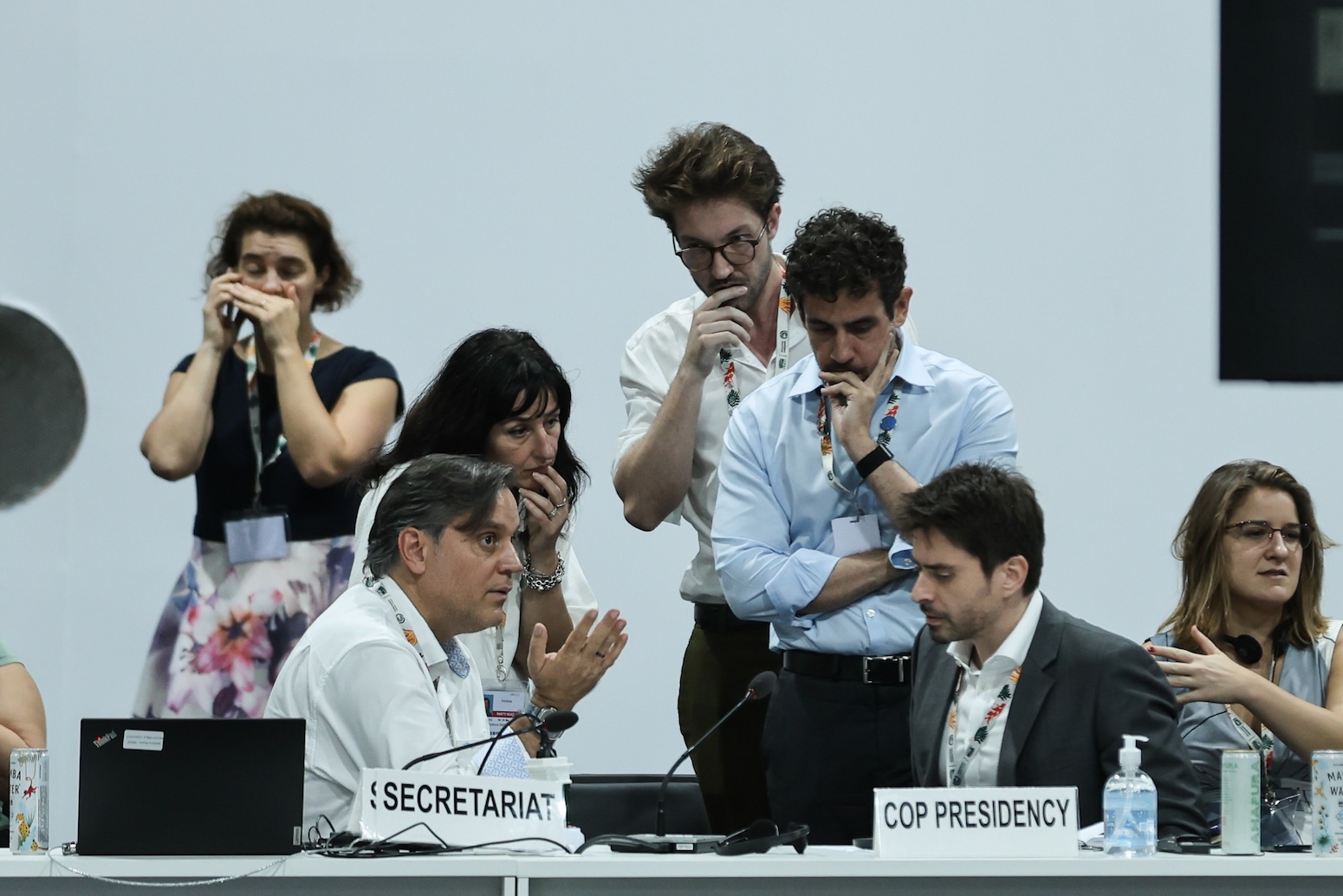
Climate finance remains the most contentious issue on the agenda. Developing nations, facing the compounding pressures of debt crises and climate-driven disasters, are increasingly vocal about the need for a formal "burden-sharing" arrangement. Under Article 9.1 of the Paris Agreement, developed nations are expected to lead in mobilizing financial resources. However, the current reality suggests a divergence in policy.
Recent data indicates a concerning trend: several major donor countries have signaled or implemented cuts to their international climate aid budgets. Simultaneously, the current administration in the United States has intensified efforts to pressure multilateral development banks to de-prioritize climate-specific objectives in favor of traditional infrastructure lending. This creates a disconnect between the urgent capital requirements needed for the Global South to adapt to a warming climate and the actual flow of funds. The "Veredas Dialogue," an ongoing discussion regarding Article 2.1c of the Paris Agreement, seeks to align global financial flows with climate goals, but consensus on what "consistency" looks like in practice remains elusive.
Adaptation and the Mitigation Work Programme
While the focus often drifts toward high-level pledges, the technical machinery of the UNFCCC is struggling. The Global Goal on Adaptation (GGA), intended to provide a framework for tracking resilience-building, is currently bogged down in the development of 59 specific indicators. Negotiators in Antalya must refine these metrics to ensure they are actionable before the COP32 summit in Addis Ababa.
Similarly, the Mitigation Work Programme (MWP)—the primary vehicle for formalizing emissions-reduction efforts—has seen little progress. Debate persists over the longevity of the programme, with some parties questioning whether it should continue as a standing item or conclude after a set period. This friction reflects a broader reluctance among fossil-fuel-exporting nations and large emerging economies to commit to more aggressive, time-bound targets without explicit, binding guarantees of financial and technological support.
The Turkish Action Agenda: A New Blueprint
Host nation Turkey is attempting to steer the conversation toward practical, real-world implementation through its "Action Agenda." By focusing on sectors such as electrification, waste reduction, and the decarbonization of the building sector, Turkey aims to provide a tangible "climate implementation bridge." This initiative seeks to transform broad, abstract NDC goals into an "investable project portfolio," aiming to attract private sector capital to bridge the public finance gap.
The Turkish presidency is also advocating for a "cover text" that emphasizes these sector-specific targets. Supporters argue that this approach moves the needle on real-world emissions while formal negotiations remain locked in diplomatic gridlock. However, critics warn that such initiatives must not become a distraction from the core obligations under the Paris Agreement, particularly the fundamental requirement to phase out fossil fuels—a commitment that was reaffirmed at the 2023 global stocktake but continues to face resistance in practice.
Implications of the New Global Stocktake
COP31 marks the formal commencement of the second global stocktake, which is scheduled to conclude in 2028. This process is critical because it will hold nations accountable for the pledges made in the wake of the first stocktake, which included the transition away from fossil fuels and the commitment to triple renewable energy capacity.
The current landscape is complicated by the fact that the United States, one of the world’s largest historical emitters, has officially withdrawn its climate plan. This withdrawal has forced other blocs, particularly the European Union, to recalibrate their diplomatic strategies. The EU has been vocal about the necessity of ensuring that all new NDCs are strictly aligned with the 1.5C temperature limit, a stance that is likely to be a point of significant friction with nations whose economies are heavily dependent on hydrocarbons.
Expert Perspectives and Sectoral Shifts
The scientific and economic community is closely watching the interplay between the "just transition" and national security. The energy crisis, which began to intensify following global geopolitical instability in 2026, has forced a recalibration of energy policy. While some nations have retreated to coal and gas to ensure short-term grid stability, others are using the crisis as a catalyst to accelerate the rollout of renewables, citing energy sovereignty as the primary driver.
The ocean has also emerged as a central theme, with over 100 nations advocating for the formal integration of ocean-based climate action into the UNFCCC framework. This represents a shift in focus toward the role of marine ecosystems in carbon sequestration and climate regulation, providing a potential area of consensus that cuts across traditional political divides.

Analysis: The Path Forward
The success of COP31 will not be measured by the eloquence of the final declarations, but by the progress made on the "implementation gap." With roughly one-quarter of the global population yet to see their governments submit updated, ambitious NDCs, the pressure on the Antalya summit is immense.
The primary implication of a stagnant COP31 would be a loss of institutional credibility. If the UNFCCC framework cannot demonstrate that it can facilitate the flow of capital to the regions that need it most, or that it can provide a clear pathway for the transition of energy-intensive industries, private capital will likely continue to hesitate.
As delegates convene, the "living document" of positions tracked by analysts reveals a stark reality: while there is universal agreement on the necessity of action, there is almost no consensus on the mechanics of delivery. The coming weeks in Antalya will serve as a definitive test of whether the international community can move beyond the rhetoric of the "just transition" and provide the concrete, actionable, and financed pathways required to avert the worst impacts of the climate crisis. For the Turkish hosts and the Australian presidency, the challenge is to synthesize these fragmented interests into a unified, enforceable mandate before the clock runs out on the 2035 climate goals.