
Taiwan Coast Guard Military Drill Better Face Chinas Grey Zone Threat
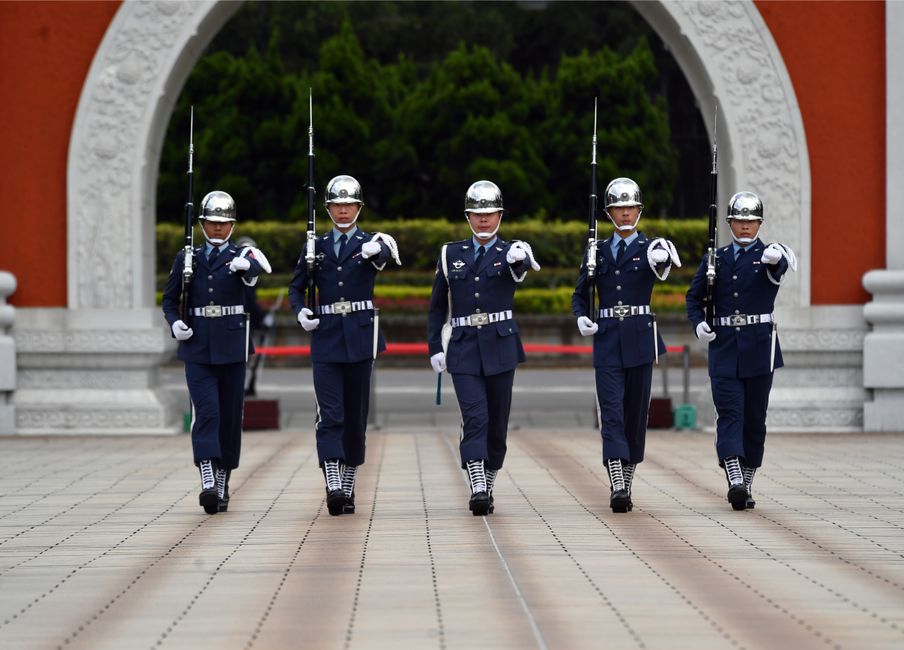
Taiwan Coast Guard Military Drill: Deterring China’s Grey Zone Threat
The Taiwan Coast Guard (TCG) has intensified its military drills and operational readiness, a direct response to China’s escalating "grey zone" tactics aimed at undermining Taiwan’s sovereignty and deterring its international support. These drills are not merely exercises; they represent a critical strategic adaptation to a complex and evolving security landscape, focusing on capabilities that directly counter Beijing’s non-conventional, ambiguous approaches to coercion. The TCG, traditionally focused on maritime law enforcement, is now increasingly operating as a quasi-military force, bridging the gap between civilian agencies and the Republic of China (ROC) Navy, essential for a credible defense against a technologically superior adversary employing hybrid warfare.
China’s "grey zone" strategy encompasses a spectrum of activities designed to achieve strategic objectives without resorting to overt military conflict, thereby avoiding direct retaliation or international condemnation. This includes extensive use of maritime militia, coast guard vessels, and fishing fleets to assert territorial claims, disrupt Taiwanese maritime activities, and wear down Taipei’s defensive capacity through persistent, low-level harassment. These actions are often accompanied by disinformation campaigns, economic pressure, and diplomatic isolation efforts, all intended to weaken Taiwan’s resolve and its international partnerships. The TCG’s enhanced drills are specifically tailored to counter these multifaceted threats, emphasizing rapid response, inter-agency coordination, and the ability to operate effectively in contested maritime environments.
A cornerstone of the TCG’s modernized approach is the integration of advanced surveillance and reconnaissance technologies. Increased investments in radar systems, drones, and sophisticated communication networks allow for real-time monitoring of China’s People’s Armed Police (PAP) maritime forces, the PLA Navy, and the vast fleet of Chinese fishing vessels that often act as extensions of Beijing’s maritime power. The drills meticulously simulate scenarios involving the detection and tracking of multiple inbound vessels, including those exhibiting unusual patterns of behavior or attempting to encroach on Taiwan’s claimed Exclusive Economic Zone (EEZ). This focus on intelligence gathering is paramount, as early and accurate identification of grey zone incursions is the first step in any effective countermeasure.
Furthermore, the TCG’s exercises are increasingly emphasizing amphibious operations and the defense of outlying islands. China’s grey zone tactics have frequently targeted Taiwan’s smaller, more vulnerable islands, such as the Pratas (Dongsha) and Kinmen, as staging grounds for asserting control and testing Taiwan’s response capabilities. Drills now involve simulated landings, resupply missions under duress, and the defense of critical infrastructure against amphibious threats. The TCG’s assets, including its expanding fleet of patrol vessels and potentially even its newly commissioned Offshore Patrol Vessels (OPVs), are being trained to operate in close coordination with the ROC Armed Forces, ensuring a seamless transition from maritime law enforcement to defensive combat operations if necessary.
The TCG’s commitment to interoperability with the ROC Navy and other security agencies is a critical element of its strategy. China’s grey zone tactics deliberately blur the lines between civilian law enforcement and military action, forcing Taiwan to respond with a coordinated, multi-faceted approach. The drills regularly incorporate joint exercises with naval units, simulating scenarios where the TCG’s smaller, more agile vessels work in concert with the ROC Navy’s larger warships. This allows for a flexible response, where the TCG can engage in initial interdiction and de-escalation efforts, while the Navy stands ready to provide heavier firepower if the situation deteriorates. This integrated approach aims to present a unified and resolute front against Chinese incursions.
Capacity building in non-lethal deterrence is also a significant focus. While equipped for combat, the TCG’s primary advantage against grey zone tactics lies in its ability to de-escalate and deter without triggering an immediate military escalation. Drills now frequently test the deployment of water cannons, acoustic deterrents, and other non-lethal means to repel encroaching vessels, particularly those of the Chinese maritime militia and fishing fleets. The objective is to demonstrate Taiwan’s resolve and its ability to control its maritime space without resorting to lethal force, thereby keeping the confrontation within the grey zone and avoiding a direct military conflict that China would likely seek to exploit.
The TCG’s operational tempo has also been significantly increased. Beyond scheduled drills, the agency has adopted a posture of persistent presence and proactive patrolling. This means more frequent deployments to contested areas, longer patrol durations, and a heightened state of readiness. The drills are designed to ensure that TCG personnel and vessels are not only capable of responding but are also accustomed to operating under sustained pressure and in unpredictable maritime conditions, mirroring the persistent nature of Chinese grey zone activities. This constant vigilance serves as a deterrent, signaling to Beijing that Taiwan is prepared to defend its maritime interests around the clock.
The acquisition of new, more capable vessels is a direct enabler of these enhanced drills and operational capabilities. The TCG has been steadily modernizing its fleet, acquiring larger, faster, and more heavily armed patrol boats and OPVs. These platforms are designed to operate further offshore, in more challenging sea states, and to carry a greater array of equipment and personnel. The drills rigorously test the deployment and operational effectiveness of these new assets, ensuring that the TCG can project power and maintain a sustained presence in its territorial waters and EEZs, directly countering China’s attempts to gradually expand its maritime influence.
A crucial aspect of the TCG’s strategy is the development of robust legal and regulatory frameworks that support its expanded role. While not a military force in the traditional sense, the TCG operates under laws that grant it significant authority to enforce maritime regulations, interdict vessels, and conduct boarding operations. The drills simulate scenarios where these legal authorities are tested and exercised, ensuring that the TCG can act decisively and within the bounds of international and domestic law. This legal preparedness is essential to avoid any missteps that China could exploit to label Taiwan’s actions as provocative.
Furthermore, the TCG’s drills are increasingly focused on personnel training and leadership development. Operating in grey zone scenarios requires a different set of skills than traditional maritime law enforcement or military combat. TCG personnel are trained in de-escalation techniques, psychological resilience, and decision-making under extreme pressure. Leaders are being developed who can effectively coordinate complex, multi-agency responses and navigate the delicate balance between deterrence and de-escalation. This human element is as critical as technological or hardware advancements in effectively countering China’s grey zone tactics.
The international dimension of China’s grey zone strategy also influences Taiwan’s drill planning. Beijing frequently leverages its growing diplomatic and economic influence to isolate Taiwan. TCG drills, therefore, often incorporate elements of international cooperation, including joint exercises with like-minded navies and coast guards from countries such as the United States, Japan, and Australia. These collaborations aim to foster interoperability, share best practices, and signal a united front against coercive maritime practices. The TCG’s participation in multilateral exercises underscores Taiwan’s commitment to regional security and its role as a responsible stakeholder in maintaining a free and open Indo-Pacific.
The sheer scale and persistence of Chinese maritime militia operations present a unique challenge that TCG drills are actively addressing. Beijing frequently deploys hundreds, if not thousands, of fishing vessels, often coordinated and incentivized by the state, to assert its claims and harass Taiwanese fishermen and coast guard vessels. TCG drills simulate scenarios involving the management of large influxes of such vessels, focusing on tactics for tracking, monitoring, and deterring their aggressive maneuvers without resorting to excessive force. This involves developing effective communication strategies, identifying key actors within the militia, and leveraging intelligence to anticipate their movements.
The concept of "sea denial" is also being subtly incorporated into TCG operational thinking. While Taiwan cannot militarily deny China access to the South China Sea, the TCG’s enhanced capabilities and proactive presence aim to make it more difficult and costly for China to unilaterally assert control and conduct its grey zone operations unimpeded. This involves making full use of Taiwan’s territorial waters and EEZs as defensive space, utilizing its fleet to disrupt Chinese maritime militia activities, and demonstrating a consistent ability to challenge Beijing’s fait accompli approach.
The drills also serve as a crucial mechanism for testing and refining Taiwan’s overall maritime security strategy. As China’s grey zone tactics evolve, so too must Taiwan’s response. The TCG’s exercises are iterative, constantly adapting to new intelligence, emerging threats, and lessons learned from real-world incidents. This adaptive approach is vital in a dynamic security environment where Beijing is continuously innovating its methods of coercion. The TCG’s commitment to regular, realistic, and comprehensive military drills is a clear indication of Taiwan’s determination to confront and deter China’s grey zone threat, safeguarding its sovereignty and regional stability.
