Tesla Faces Federal Legal Reckoning as NHTSA Demands Compliance Proof for Steering-Wheel-Less Cybercab

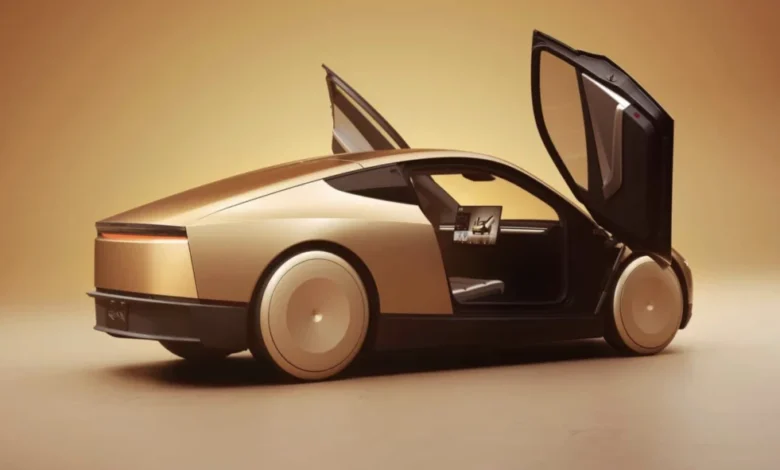
The regulatory battle lines between federal safety authorities and the autonomous vehicle industry have intensified dramatically following a decisive legal maneuver by the National Highway Traffic Safety Administration. The federal agency has issued a rigorous, binding Special Order compelling Tesla to officially demonstrate under oath that its commercial Cybercab—a vehicle entirely devoid of a steering wheel, foot pedals, and traditional mirrors—complies with established federal safety standards.
The mandate, signed by NHTSA Chief Counsel Peter Simshauser and addressed directly to Tesla’s high-ranking legal executives, marks a severe escalation in the ongoing friction surrounding autonomous deployment strategies. Setting a strict compliance deadline of September 30, the federal directive carries profound legal implications. Failure to provide complete, truthful answers backed by sworn affidavits exposes the automaker to catastrophic financial penalties reaching up to $139 million, underscoring the seriousness with which federal regulators are approaching the commercial deployment of unproven vehicle architectures.
Anatomy of a Regulatory Escalation: From Audit to Legal Demand
The trajectory of federal scrutiny over Tesla’s autonomous ambitions has accelerated rapidly over the past month. The sequence of events began on September 3, when Tesla officially initiated commercial Cybercab ride-hailing services within a geo-fenced operating zone in Austin, Texas. Just hours after the commercial launch went live, NHTSA responded swiftly by opening Audit Query 26002, signaling initial official concern regarding the vehicle’s alignment with Federal Motor Vehicle Safety Standards.
While an audit query functions primarily as an informational request, the transition to a Special Order represents a profound legal elevation. Distributed as a comprehensive 21-point questionnaire, the legal demand requires meticulous technical justifications from Tesla’s head of litigation and its associate general counsel for regulatory affairs. The pivot from inquiry to formal demand illustrates a hardening stance by regulators who appear determined to establish firm oversight boundaries for driverless technology operating on public thoroughfares.
The Self-Certification Dilemma and the Conflict with Legacy Standards
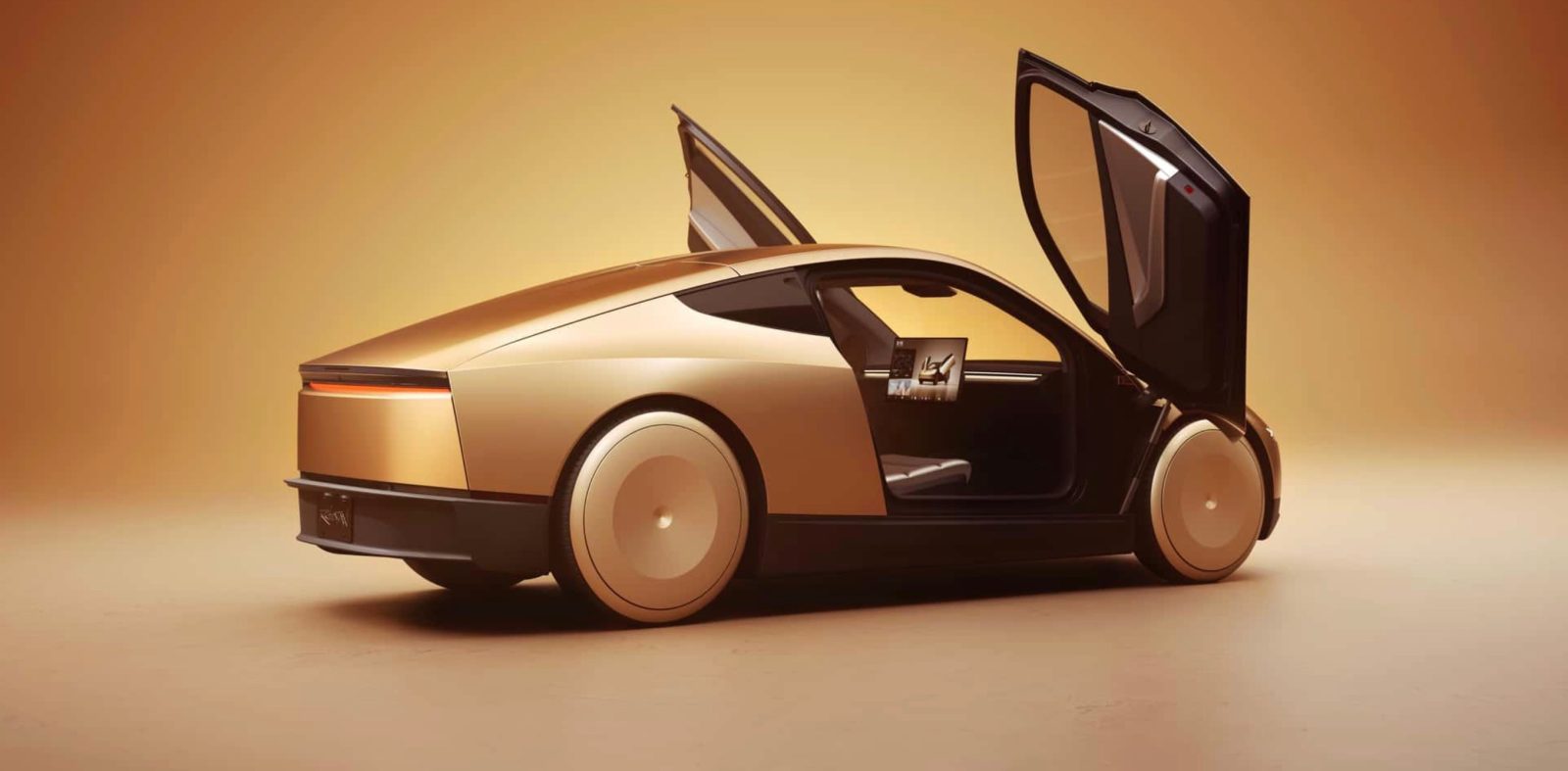
At the heart of the standoff is the foundational framework governing vehicle manufacturing in the United States. Unlike jurisdictions that require exhaustive pre-approval processes and prototype certifications before a vehicle can be legally sold or operated, the U.S. regulatory system relies on manufacturer self-certification. Under this framework, automakers independently evaluate their designs, certify compliance with all relevant Federal Motor Vehicle Safety Standards, and assume legal liability for those declarations. NHTSA subsequently conducts post-market audits and investigations to verify compliance.
Tesla followed this self-certification pathway for the Cybercab, formally declaring that the autonomous pod complies with all applicable FMVSS regulations. However, the vast majority of these federal standards were drafted decades ago, explicitly assuming the presence of an attentive human driver operating manual controls.
Federal law strictly prohibits issuing a compliance certificate if an automaker, exercising reasonable care, has reason to know that the certification is materially false or misleading. NHTSA’s Special Order aggressively probes this vulnerability, questioning how Tesla could legitimately certify compliance for a vehicle architecture that eliminates the very physical interfaces mandated by federal law.
Technical Non-Compliance: The Foot-Brake Mandate and Beyond
Among the 21 specific inquiries contained within the Special Order, several target glaring contradictions between the Cybercab’s physical design and explicit regulatory text. Request 19 highlights FMVSS No. 135, which unambiguously dictates that a vehicle’s service brakes must be activated by means of a foot control. Because the Cybercab completely omits foot pedals, it directly violates the literal interpretation of the standard.
NHTSA noted in public statements that manufacturers of vehicles lacking foot-activated service brakes are fundamentally incapable of certifying compliance under the current iteration of FMVSS 135. While the agency previously floated a proposed rule amendment in June designed to modernize foot-brake requirements for automated vehicles, regulatory proposals do not carry the weight of law until finalized. Consequently, the existing mandate remains fully enforceable, and NHTSA is holding Tesla strictly accountable to the letter of the current statute.
Beyond the braking system, the federal inquiry systematically addresses a cascade of foundational safety standards rendered obsolete or unfulfilled by the absence of a human driver’s seat and manual controls:

- FMVSS 101: Regulates controls, telltales, and indicators, assuming human-accessible layouts.
- FMVSS 102: Governs shift-position display, illumination, and interlock systems.
- FMVSS 108: Dictates turn signal operational requirements, including self-cancellation via steering wheel rotation.
- FMVSS 111: Mandates the presence and adjustment capabilities of interior and exterior rearview mirrors.
- FMVSS 126: Regulates electronic stability control systems and associated driver warnings.
The "Make Inoperative" Trap and Temporary Controls
Compounding Tesla’s regulatory exposure are questions surrounding the manufacturing and delivery process. Industry observers and regulatory filings indicate that Tesla has utilized temporarily attached manual controls—such as removable steering assemblies—during the production, movement, or initial testing phases of the Cybercab.
NHTSA is explicitly demanding transparency regarding whether Tesla relied on these temporary, removable controls to validate its initial self-certification. If the company certified compliance based on the temporary presence of conventional equipment, subsequently stripping those controls out before final delivery could trigger violations of the federal Safety Act’s strict "make inoperative" prohibition. Federal law explicitly forbids manufacturers from knowingly rendering required safety equipment inoperative during the production or distribution lifecycle.
The Exemption Divergence: The Path Taken Versus the Path Avoided
The regulatory standoff gains broader industry context when contrasted with the approach taken by competing autonomous vehicle developers. Amazon-backed Zoox navigated the federal approval framework for a similarly configured, steering-wheel-less robotaxi by pursuing formal administrative relief rather than unilateral self-certification.
In July, NHTSA granted Zoox a temporary exemption under Part 555 of federal regulations, waiving eight specific federal standards—including the contentious foot-brake rule (FMVSS 135) and mirror mandates (FMVSS 111). This formal exemption capped Zoox’s initial deployment at 2,500 vehicles annually, permitted commercial ride-charging, and established a time-limited demonstration window through 2028. Zoox was required to file a comprehensive safety petition, demonstrate equivalent safety performance, and await formal regulatory authorization before launching commercial operations.
Tesla, by contrast, bypassed the Part 555 exemption process entirely. By self-certifying compliance and launching commercial ride operations in Austin on September 3 without seeking prior federal waivers, Tesla charted an aggressive course that fundamentally challenges established administrative procedures.

Broader Industry Implications and the Road Ahead
The outcome of NHTSA’s Special Order will likely establish a critical precedent for the commercialization of autonomous vehicles across the United States. While NHTSA has consistently signaled its willingness to modernize federal standards to accommodate autonomous driving systems—evidenced by its June proposal to revise braking mandates and its broader efforts to update regulatory oversight—the agency maintains a strict separation between desired future policy and enforceable current law.
For Tesla, the immediate priority rests on formulating a legally defensible response to the September 30 deadline. Because responses to Special Orders must be submitted under oath by responsible corporate officers, any misrepresentation or omission carries severe legal consequences, including substantial corporate fines and potential criminal liabilities for individuals involved.
As the legal battle unfolds, the commercial scope of the Cybercab remains constrained. Operations are currently limited to restricted, geo-fenced urban sectors at moderate speeds, shielding the service from complex operational domains until the regulatory dispute is resolved. Ultimately, the federal inquiry serves as a stern reminder that while the automotive industry races toward an autonomous future, regulatory bodies retain the statutory authority to demand strict adherence to the rule of law.
Related posts: