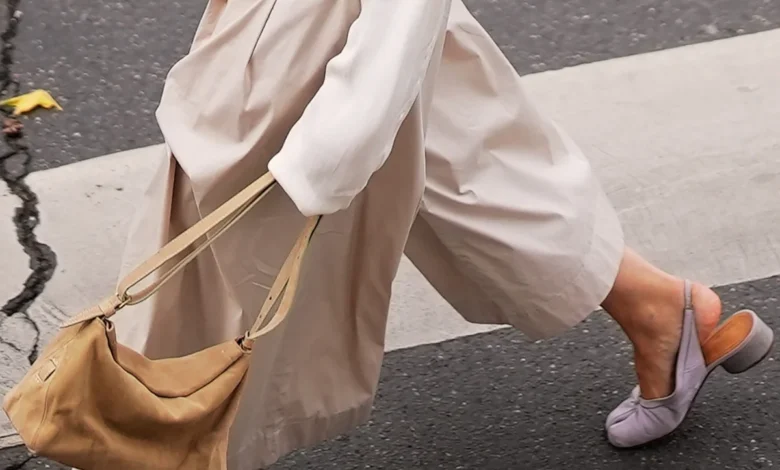
The fashion landscape is perpetually defined by items that elicit initial resistance before achieving mainstream ubiquity. In recent months, the split-toe shoe—historically known as the tabi—has transitioned from a polarizing conceptual runway statement to a dominant commercial footwear trend. Driven by viral social media momentum, accessible price points, and renewed interest from contemporary footwear brands, the cloven-hoof silhouette is poised to define the autumn aesthetic across global style capitals, including upcoming appearances at New York Fashion Week (NYFW).
While high-end iterations by luxury houses command thousands of dollars, a burgeoning market of accessible alternatives has democratized the look, transforming a niche avant-garde item into a widespread wardrobe staple. This shift reflects broader consumer appetites for unconventional silhouettes that challenge traditional notions of footwear design while prioritizing versatility and modern styling.
Historical Roots and the Evolution of the Split-Toe Design
To understand the modern fascination with tabi footwear, one must examine its origins, which trace back centuries. The distinct split-toe design is not a recent invention of Western fashion; its lineage originates in 15th-century Japan. Historically, tabi referred to traditional ankle-high socks featuring a separation between the big toe and the remaining digits, engineered to be worn comfortably with traditional thong footwear known as zori, which were constructed from materials including rice straw, cloth, lacquered wood, leather, rubber, and animal hide.
The silhouette made its formal entry into contemporary Western fashion through the Belgian design house Maison Margiela. Under the visionary direction of Martin Margiela, the brand introduced the iconic split-toe boot for its Spring/Summer 1989 runway presentation. Painted in white to draw immediate attention, the debut footwear polarized critics and spectators alike. Over the subsequent decades, the Maison Margiela Tabi evolved into a signature house code, expanding into flats, sandals, heels, loafers, and boots. Today, authentic designer iterations retail anywhere from $800 to upwards of $5,000, establishing the silhouette as a coveted luxury collector’s item and an emblem of conceptual design.
The Rise of Accessible Alternatives and Viral Momentum
Despite the enduring influence of Maison Margiela, the recent surge in mainstream adoption is largely attributable to the democratization of the trend through accessible retail alternatives. While authentic designer pairs remain out of reach for many consumers, the market has seen an influx of budget-friendly "dupes" ranging from $48 to mid-tier price points.
Platforms like TikTok have served as the primary catalyst for this retail shift. Videos showcasing affordable split-toe flats regularly accumulate millions of views, propelling specific models to viral status and driving immediate consumer demand. Industry observers note that algorithmic visibility on short-form video platforms has fundamentally altered trend cycles, allowing unconventional designs to bypass traditional multi-season adoption periods and achieve mass-market saturation almost overnight.

Retailers and footwear brands have responded swiftly to this digital demand, introducing diverse interpretations of the split-toe aesthetic. Brands such as Steve Madden, Jeffrey Campbell, Cushionaire, Matisse, and Bronx have all released their own variations, incorporating the split toe into traditional silhouettes like ballet flats, Mary Janes, and low-heeled mules. This commercial availability has allowed former skeptics to experiment with the trend without making a significant financial commitment.
Styling Versatility and Practical Considerations
Styling split-toe footwear has emerged as a central topic of discussion among fashion commentators and consumers navigating the trend for the first time. Contrary to initial perceptions that the unconventional shape restricts outfit coordination, industry stylists emphasize the surprising versatility of tabi-inspired flats.
Functionally, these shoes can be styled with the same ease as traditional ballet flats. Their ability to anchor an outfit depends largely on texture, material, and proportion. Smooth leather finishes can elevate a casual denim ensemble, while mesh variations or Mary Jane strap configurations add textural contrast to dresses and skirts across various fabrics and color palettes.
Comfort and fit are additional factors influencing consumer adoption. Because the split-toe construction requires a distinct anatomical fit, brands and accessory manufacturers have introduced specialized undergarments, such as no-show split-toe socks, to enhance comfort and maintain hygiene during extended wear. Footwear experts recommend that consumers evaluate sizing carefully, noting that certain mesh and leather styles perform best when fitted snugly to the bare foot or paired with appropriately designed hosiery.
Market Landscape: Key Footwear Offerings
The current commercial landscape features a wide spectrum of split-toe footwear designed to accommodate various stylistic preferences and budgets:
- Cushionaire Maki Tabi Flats: Emerging as a top-rated choice among digital consumers, these TikTok-viral flats emphasize everyday wearability through a cushioned footbed and flexible sole construction.
- Steve Madden Calico Bone Mesh: Designated as an editor’s favorite, this mesh iteration features a leather upper and a minimal 0.25-inch heel, offering a breathable, contemporary texture ideal for transitional weather.
- VBDB Tabi Ballet Flats: Positioned as an accessible entry point starting around $48, these flats are available in 11 distinct colorways and finishes, ranging from matte to high-shine surfaces.
- Jeffrey Campbell Pit Lane Flats: Known for a more robust profile, these smooth leather shoes feature a rubber sole and a split rounded toe that sits higher on the foot.
- Matisse Mason Split Toe Ballet Flat: Incorporating classic feminine details, this red leather option features a delicate bow detail and a lightly padded footbed.
- Bronx Semm-ie Split Toe Ballerina Flats: Providing a grounded, utilitarian aesthetic, these warm brown soft leather flats utilize pin-buckle fastenings and subtle stud detailing.
- Jeffrey Campbell Saturna Split Toe Mary Jane Flat: Blending two distinct trends, this soft pink Mary Jane features wraparound laces and a split toe.
- Steve Madden Cyra Black Leather: For consumers seeking elevation, this model incorporates a 1.25-inch heel combined with a classic black leather upper.
Broader Industry Implications and Outlook
The mainstream proliferation of the split-toe shoe underscores a broader shift in contemporary fashion: the acceleration of avant-garde concepts into accessible commercial markets. What was once viewed exclusively as conceptual runway art has successfully crossed over into everyday wardrobes, driven by digital peer-to-peer validation and rapid retail execution.
As the industry transitions into the autumn season and major fashion weeks commence, the presence of split-toe footwear is expected to peak. Whether viewed as a fleeting algorithmic novelty or a lasting footwear staple, the tabi trend demonstrates the enduring power of challenging traditional design boundaries in capturing the modern consumer’s imagination. Through a combination of historical legacy, digital amplification, and commercial accessibility, the once-polarizing cloven-hoof silhouette has firmly established its place in contemporary fashion culture.