
Trumps Tax Returns Arent The Only Crucial Records Prosecutors Will Get
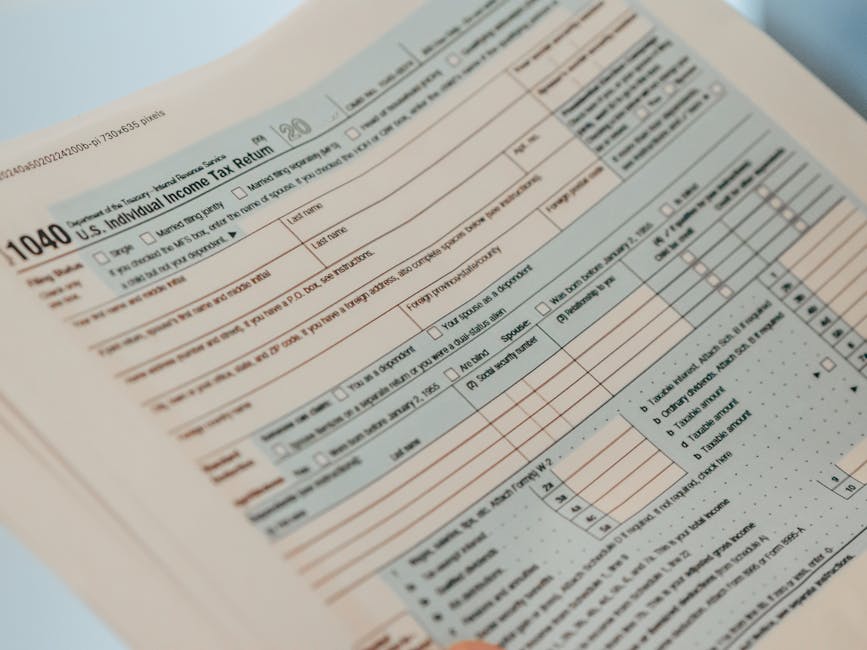
Beyond the 1040: Crucial Records Prosecutors Will Scrutinize in Trump Investigations
While Donald Trump’s tax returns have long been a focal point of public and prosecutorial interest, their disclosure represents merely a fraction of the extensive documentary evidence prosecutors can and will obtain in ongoing and potential investigations. The Internal Revenue Service (IRS) is not the sole repository of financial and operational data relevant to potential criminal inquiries. A broad spectrum of financial institutions, business entities, government agencies, and individuals maintain records that offer a granular view of transactions, communications, and decision-making processes, all of which are vital for establishing intent, motive, and the commission of alleged offenses. These records encompass everything from bank statements and loan applications to corporate minutes, emails, and internal memos, providing a comprehensive narrative that extends far beyond the figures reported on a tax form.
The subpoena power wielded by prosecutors is a formidable tool, capable of compelling the production of documents from a wide array of sources. Financial institutions, for instance, are obligated to maintain detailed records of all customer transactions, including deposit and withdrawal histories, wire transfer details, and loan origination documents. These records are crucial for tracing the flow of money, identifying potential money laundering schemes, or uncovering illicit financial activities. For a figure like Donald Trump, whose business empire is vast and multifaceted, this would include records from numerous banks, investment firms, and lenders involved in his real estate dealings, branding ventures, and other enterprises. The Patriot Act and Bank Secrecy Act further mandate rigorous record-keeping and reporting for suspicious transactions, providing prosecutors with a structured framework for identifying and investigating potential financial crimes.
Corporate records are another critical area of investigation. Companies, particularly those as large and complex as the Trump Organization, generate vast amounts of documentation. This includes board minutes, shareholder reports, internal audits, employee expense reports, and contracts. These documents can reveal evidence of corporate malfeasance, insider trading, or efforts to conceal or misrepresent financial performance. For instance, if an investigation focuses on allegations of inflating asset values to secure loans or mislead investors, corporate appraisals, internal valuations, and board discussions regarding these valuations would be paramount. The Sarbanes-Oxley Act (SOX) imposes strict record-keeping requirements on public companies, and even private entities operate under various disclosure and internal governance norms that generate discoverable documents.
Communications, both internal and external, are increasingly central to modern investigations. Emails, text messages, instant messages, and even voicemails can provide direct evidence of intent, conspiracy, or the planning of illegal activities. Prosecutors will seek access to the electronic communications of key individuals involved in alleged misconduct. This includes not only personal devices but also corporate servers and cloud storage. For individuals with prominent public profiles, such as Donald Trump, the volume of digital communication can be immense. Forensic analysis of these records can reveal deleted messages, metadata indicating creation and modification times, and the scope of communications between involved parties, offering invaluable insights into the thought processes and actions of those under scrutiny.
Real estate transactions, a cornerstone of the Trump Organization’s business, generate a wealth of paper trails. Property deeds, purchase agreements, mortgage applications, title insurance documents, and property tax records all provide concrete evidence of asset ownership, valuation, and financing. If allegations involve fraudulent property valuations or misrepresentations to lenders, these documents would be indispensable. Furthermore, appraisals commissioned by buyers and sellers, as well as any independent valuations conducted during the ownership period, can be subpoenaed to corroborate or contest the reported values of real estate assets. Publicly available records from county assessor offices and land registries can also be used to verify property ownership and historical transaction data.
Legal and professional services records are also highly relevant. This includes retainer agreements, legal advice correspondence, and billing records from attorneys, accountants, and other professional advisors. While attorney-client privilege and other professional immunities can shield certain communications, prosecutors can still obtain records that do not fall under these protections, or in cases where privilege has been waived. Evidence of advice sought on potentially illegal or unethical actions, or records of services rendered to facilitate such actions, can be crucial in establishing criminal intent or aiding and abetting. For example, if an investigation involves allegations of tax evasion, the records of accountants who prepared tax filings would be a primary source of evidence.
Government agency records represent another significant category. Depending on the nature of the investigation, this could include records from the Securities and Exchange Commission (SEC) if public companies are involved, the Federal Election Commission (FEC) for campaign finance violations, or records from agencies that oversee specific industries. Licenses, permits, and regulatory filings with various government bodies can also contain information relevant to investigations, particularly if allegations involve violations of environmental regulations, building codes, or financial reporting standards. For a former President, interactions with numerous federal agencies during his term would generate a vast repository of official documents.
Witness testimony, while not strictly documentary evidence, is often corroborated or contradicted by documentary records. Affidavits, deposition transcripts, and sworn statements from employees, business partners, and associates can provide valuable leads and context for prosecutors. These statements can then be used to guide the procurement of specific documents and to challenge inconsistencies in the narrative. The ability to cross-reference sworn statements with the objective evidence contained in financial records, communications, and corporate documents is a cornerstone of effective prosecutorial strategy.
The process of obtaining these records often involves grand jury subpoenas, search warrants, and civil investigative demands, depending on the stage and nature of the investigation. Each of these legal instruments is designed to compel the production of relevant evidence. The breadth of information that can be accessed is extensive, encompassing not only direct evidence of wrongdoing but also circumstantial evidence that can build a compelling case. For example, a pattern of irregular financial transactions, even if not directly illegal on their face, when viewed in conjunction with incriminating communications or internal memos, can establish a persuasive argument for criminal intent.
In conclusion, while Donald Trump’s tax returns are a significant piece of the puzzle in various investigations, they are far from the only, or even the most comprehensive, source of crucial records prosecutors will seek. The multifaceted nature of modern financial and political landscapes means that investigations can and will delve into a vast array of documentary evidence. This includes financial records from banks and lending institutions, corporate documents, electronic communications, real estate transaction histories, legal and professional service records, and government agency filings. The ability to obtain and analyze this extensive body of evidence provides prosecutors with the necessary tools to reconstruct events, establish intent, and pursue justice.
