
Under Us Pressure Liechtenstein Seeks Fix Stranded Russian Wealth
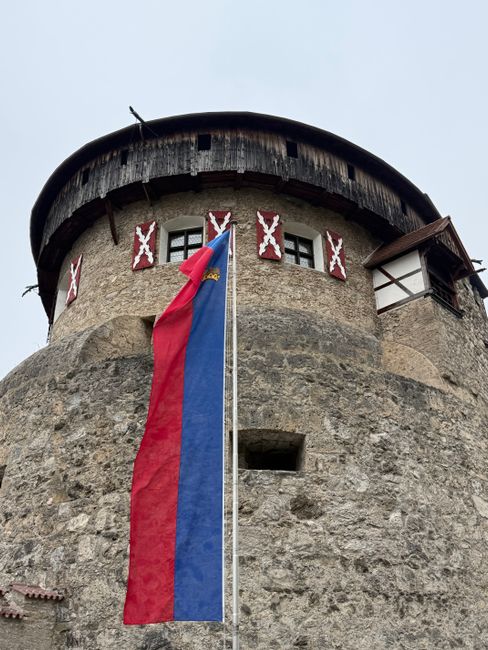
Under US Pressure, Liechtenstein Seeks Fix for Stranded Russian Wealth
Liechtenstein, a diminutive principality nestled in the Alps, is confronting intense scrutiny and pressure from the United States concerning its handling of Russian assets frozen as part of international sanctions following the invasion of Ukraine. This geopolitical tightrope walk forces Liechtenstein to re-evaluate its long-standing financial secrecy traditions and confront the complex realities of global financial accountability. The core of the issue lies in a substantial, albeit not fully quantified, volume of Russian wealth held within Liechtenstein’s well-established banking sector. This wealth, deemed "stranded" due to sanctions, presents a multifaceted challenge for the principality, encompassing legal, ethical, and reputational dimensions. The US, as a leading proponent of sanctions against Russia, views Liechtenstein’s banking jurisdiction as a potential conduit for circumventing these measures, thereby undermining the collective international effort to pressure Moscow. Consequently, Washington has engaged in direct diplomatic efforts and potentially more forceful means to compel Liechtenstein to take more robust action in identifying, freezing, and potentially even confiscating or redirecting these assets. The Liechtenstein government, acutely aware of its precarious position on the global stage, finds itself in a delicate balancing act. On one hand, it must demonstrate a commitment to international law and sanctions compliance to maintain its access to global financial markets and avoid punitive measures from powerful nations like the US. On the other hand, it grapples with its historical role as a private banking haven, where client confidentiality has been paramount, and the practical difficulties of tracing and legally disentangling frozen assets that may belong to sanctioned individuals or entities, or even those linked to state-owned enterprises. The urgency of the situation is amplified by the sheer volume of wealth potentially affected. While precise figures are elusive due to the principality’s historical opacity, estimates suggest billions of dollars in Russian funds could be held within Liechtenstein’s banks. This wealth encompasses a wide spectrum of assets, including investments in securities, real estate holdings, and significant cash deposits, all of which have become subject to international sanctions regimes. The US government’s approach has been multi-pronged. Diplomatic engagement involves direct communication with Liechtenstein officials, outlining specific concerns and expectations. This often includes requests for greater transparency regarding beneficial ownership of assets and a more proactive approach to asset identification. Beyond diplomacy, there’s the implicit threat of secondary sanctions, which could target Liechtenstein financial institutions found to be facilitating sanctioned Russian wealth. Such measures could severely damage Liechtenstein’s economy, which is heavily reliant on its financial services sector. This pressure forces a critical examination of Liechtenstein’s legal framework and its capacity to enforce international sanctions effectively. Historically, Liechtenstein has adapted its laws to meet evolving international standards, particularly in areas like anti-money laundering (AML) and combating the financing of terrorism (CFT). However, the scale and complexity of Russian sanctions, particularly those targeting individuals and entities close to the Kremlin, present a novel challenge that requires not just legislative updates but also enhanced investigative and enforcement capabilities.
The intricate nature of identifying and isolating sanctioned Russian wealth within Liechtenstein’s sophisticated financial infrastructure is a significant hurdle. The principality’s banks, accustomed to stringent client confidentiality, must now navigate a complex web of ownership structures, trusts, and offshore entities that can obscure the ultimate beneficial owners of assets. This requires a substantial investment in advanced due diligence technologies and skilled personnel capable of conducting thorough investigations. The Liechtenstein government’s response has been characterized by a public commitment to upholding sanctions while also emphasizing the legal and procedural complexities involved. They have highlighted their adherence to international standards and their willingness to cooperate with international partners. However, the pace of implementation and the depth of scrutiny remain points of contention with the US. The principality has reportedly increased its efforts to identify and freeze Russian-owned assets, and some reports indicate that several million Swiss francs have already been frozen. Nevertheless, the US appears to be seeking more decisive and comprehensive action, particularly concerning the ultimate disposition of these assets. The question of what to do with frozen Russian assets is a subject of intense debate globally. While some advocate for outright confiscation and redirection to Ukraine for reconstruction efforts, others raise concerns about legal precedent, compensation for legitimate asset owners (if any), and the potential for retaliatory measures from Russia. Liechtenstein, caught in the middle, must contend with these broader international discussions while formulating its own domestic policy. The principality’s financial sector is a cornerstone of its economy, contributing significantly to its GDP and employment. Therefore, any drastic measures that could alienate clients or disrupt financial flows are approached with extreme caution. The pressure from the US is not merely about financial sanctions; it’s also about signaling a broader shift in global financial governance. The era of unchecked offshore financial secrecy is gradually giving way to greater demands for transparency and accountability. Liechtenstein, as a prominent player in this sphere, is at the forefront of this evolution. The principality’s response to US pressure will have lasting implications for its reputation as a financial center and its future role in the global economy.
The US pressure on Liechtenstein is intrinsically linked to broader efforts to isolate Russia economically and politically. By targeting Russian assets held in jurisdictions like Liechtenstein, the US aims to deprive the Russian government and its elites of financial resources that could be used to sustain the war in Ukraine or exert influence globally. The effectiveness of sanctions is often measured by their ability to create economic hardship and internal pressure on the target regime. However, the efficacy of these measures is contingent on the cooperation and compliance of key financial jurisdictions. Liechtenstein’s role, therefore, is crucial. If it can effectively identify and freeze sanctioned assets, it contributes to the overall impact of the sanctions regime. Conversely, if it is perceived as a haven where sanctioned wealth can be easily hidden or moved, it weakens the overall effort. The Liechtenstein government has publicly stated its commitment to international sanctions and has taken steps to enhance its regulatory framework. This includes implementing stricter customer due diligence requirements and increasing supervisory oversight of financial institutions. However, the effectiveness of these measures is a matter of ongoing assessment and, as evidenced by US pressure, may not be seen as sufficient by Washington. The underlying challenge for Liechtenstein lies in balancing its traditional role as a private banking center with the evolving demands of international financial regulation and geopolitical realities. The principality has a history of adapting to international pressure, notably in its efforts to combat tax evasion. However, the current situation, involving active conflict and a concerted effort to cripple a major global economy, presents a more acute and immediate challenge. The US approach to Liechtenstein is not unique; similar pressures have been exerted on other financial centers that have historically been associated with offshore finance and secrecy. This indicates a broader trend towards increased international cooperation in enforcing sanctions and combating illicit financial flows.
The legal and technical complexities of identifying and managing frozen Russian assets are substantial. Many assets are held through intricate corporate structures, making it difficult to ascertain the ultimate beneficial owner. Furthermore, determining which assets are definitively linked to sanctioned individuals or entities requires meticulous investigation and legal analysis. Liechtenstein’s financial institutions, therefore, face the daunting task of conducting extensive due diligence, often in collaboration with international authorities. The US government’s engagement with Liechtenstein is likely to involve ongoing dialogue, intelligence sharing, and potentially joint investigations. The ultimate goal is to ensure that Liechtenstein’s financial sector is not used to circumvent sanctions and that sanctioned Russian wealth is appropriately managed. The principality’s response to this pressure will shape its future as a financial jurisdiction. Its ability to navigate this complex geopolitical landscape, adapt its regulatory framework, and demonstrate a commitment to international cooperation will be critical in maintaining its reputation and its standing in the global financial community. The concept of "stranded Russian wealth" itself is a subject of ongoing discussion. While some assets are clearly linked to sanctioned individuals and entities, others may be more ambiguously held, raising questions about the legal basis for their seizure or redirection. This underscores the need for clear legal frameworks and robust due process in dealing with such assets. Liechtenstein’s position highlights the increasing interconnectedness of the global financial system and the significant leverage that major economic powers can exert on smaller jurisdictions. The principality’s commitment to international law and its willingness to adapt to evolving global norms will be tested as it seeks to resolve the issue of stranded Russian wealth under the watchful eye of the United States. The reputational implications for Liechtenstein are also significant. Its historical association with financial discretion, while once a draw for clients, now presents a challenge in the current geopolitical climate. Demonstrating a robust commitment to transparency and sanctions compliance is essential for rebuilding trust and ensuring its long-term viability as a financial center. The principality’s proactive engagement with international partners and its willingness to implement necessary reforms are crucial steps in this direction.
The ongoing efforts by Liechtenstein to address the issue of stranded Russian wealth are indicative of a broader shift in the international financial landscape. The era of unconditional financial secrecy is increasingly being replaced by demands for transparency, accountability, and adherence to international sanctions regimes. The pressure exerted by the United States on Liechtenstein serves as a potent reminder of this evolving global order. Liechtenstein’s response will not only determine its own future as a financial center but also contribute to the broader effectiveness of international sanctions against Russia. The principality’s ability to navigate these complex challenges will be a testament to its adaptability and its commitment to its role within the international community. The intricate legal, financial, and political dimensions of this situation necessitate a comprehensive and multifaceted approach from Liechtenstein. The successful resolution of this issue will require not only legislative and regulatory adjustments but also a clear demonstration of political will and a robust commitment to international cooperation. The United States’ sustained pressure underscores the importance of this issue on the global agenda and highlights the expectations placed upon financial jurisdictions to contribute to international peace and security. The implications for Liechtenstein extend beyond mere compliance; they involve a fundamental re-evaluation of its role and responsibilities in an increasingly interconnected and scrutinized global financial system.
