
Us State Dept Resumes Processing Harvard Student Visas After Judges Ruling
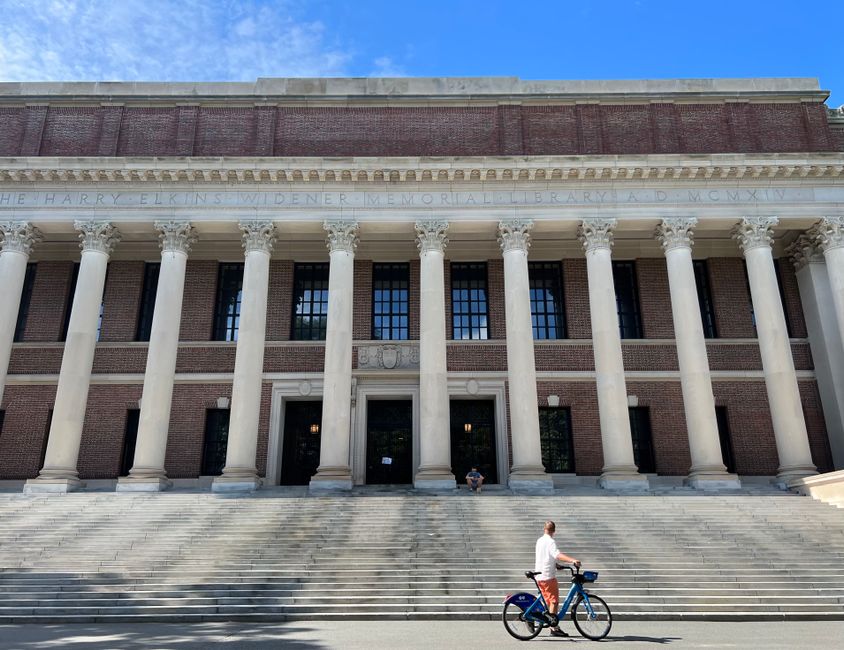
US State Department Resumes Processing Harvard Student Visas Following Judicial Ruling
The United States Department of State has recommenced the processing of F-1 student visas for individuals affiliated with Harvard University, a significant development following a federal court ruling that temporarily blocked the Trump administration’s controversial policy targeting international students. This policy, implemented by the Department of Homeland Security (DHS) and enforced by the State Department, aimed to revoke or deny visas to students whose academic programs were conducted entirely online. The ruling, issued by a federal judge in Massachusetts, provided a crucial reprieve for Harvard and other institutions with substantial online course offerings, allowing for the continuation of their international student recruitment and enrollment efforts. The implications of this judicial intervention are far-reaching, impacting not only the academic futures of thousands of students but also the broader landscape of international higher education and the economic contributions of foreign-born talent to the U.S. economy.
The genesis of this dispute lies in the abrupt announcement of new regulations by the Trump administration in early July 2020. Citing public health concerns and a desire to encourage a return to in-person instruction, DHS declared that international students enrolled in U.S. universities offering fully online programs would be barred from entering the country or would have their existing visas invalidated. This directive created immediate uncertainty and panic among international students and academic institutions alike. Universities that had already shifted to remote learning due to the COVID-19 pandemic found themselves in a precarious position, facing the prospect of losing a significant portion of their student body. Harvard University, a prominent institution with a substantial international student population and a commitment to academic flexibility, was among the first to challenge the policy in court.
Harvard, joined by the Massachusetts Institute of Technology (MIT), filed a lawsuit in the U.S. District Court for the District of Massachusetts, arguing that the new policy was arbitrary and capricious, violating the Administrative Procedure Act (APA). The lawsuit contended that the government failed to provide adequate notice and opportunity for public comment before implementing such a significant policy change. Furthermore, it argued that the policy disregarded the realities of the ongoing pandemic and the efforts universities were making to ensure the health and safety of their students and communities. The plaintiffs emphasized that denying visas to students based solely on the modality of instruction, especially when necessitated by a global health crisis, was discriminatory and detrimental to the educational experience.
The court’s decision to grant a temporary restraining order and subsequently a preliminary injunction against the policy was pivotal. U.S. District Judge Allison D. Burroughs ruled that the government had not offered a satisfactory explanation for its sudden reversal of long-standing guidance regarding online coursework for international students. The judge highlighted that the previous policy, which had allowed international students to engage in online learning under certain circumstances, had been in place for years without significant issues. The abrupt shift, without proper justification or public input, was deemed to be an arbitrary change in policy. This legal victory temporarily halted the enforcement of the new rules, allowing the State Department to resume processing visas for Harvard students under the pre-existing guidelines.
The immediate impact of the ruling was a de-escalation of the crisis for international students and universities. The State Department, in accordance with the court’s order, began processing F-1 visas for Harvard students, permitting those who had been denied or whose applications were on hold to proceed with their enrollment plans. This brought a sense of relief to students who had invested considerable time and resources in their U.S. education and were facing the prospect of their academic journeys being abruptly cut short. It also provided a much-needed reprieve for universities, enabling them to continue with their admissions cycles and maintain their commitment to global diversity and inclusion within their student bodies.
However, the legal battle was far from over. The preliminary injunction was a temporary measure, and the underlying policy remained a point of contention. The Biden administration, upon taking office, inherited this complex situation. While the new administration generally signaled a more welcoming approach to international students, the legal case brought by Harvard and MIT continued. The State Department, under the new administration, continued to process visas in line with the court’s injunction, effectively adhering to the previous policy framework. This indicated a shift in the government’s stance, moving away from the restrictive approach of the previous administration.
The broader implications of the ruling extend beyond individual visa applications. It underscored the importance of due process and administrative transparency in government policy-making, particularly when such policies have significant impacts on individuals and institutions. The case highlighted the judiciary’s role in checking executive overreach and ensuring that government actions are consistent with established legal principles. For the higher education sector, it reinforced the value of collaborative advocacy and the power of institutions to defend the interests of their students and academic missions.
Furthermore, the ruling had economic ramifications. International students contribute billions of dollars annually to the U.S. economy through tuition fees, living expenses, and consumer spending. Restricting their ability to study in the U.S. would have a tangible negative impact on local economies and industries that benefit from their presence. The continued ability of institutions like Harvard to attract and retain international talent is crucial for maintaining the U.S.’s competitive edge in global research and innovation.
The narrative of processing Harvard student visas following the judges’ ruling is one of legal intervention rectifying a policy perceived as detrimental and arbitrary. The court’s decision served as a critical safeguard for international students and a testament to the legal recourse available to challenge government actions. While the immediate crisis was averted, the experience served as a reminder of the vulnerabilities faced by international students in navigating complex immigration policies and the continuous need for stable and predictable immigration frameworks. The State Department’s resumption of processing these visas signifies a return to a more established and predictable system, allowing Harvard and its international students to move forward with their academic pursuits. The case also serves as a crucial precedent for future challenges to immigration policies that may be enacted without sufficient justification or public consultation. The ongoing engagement with international students remains a cornerstone of American higher education and its global standing.
