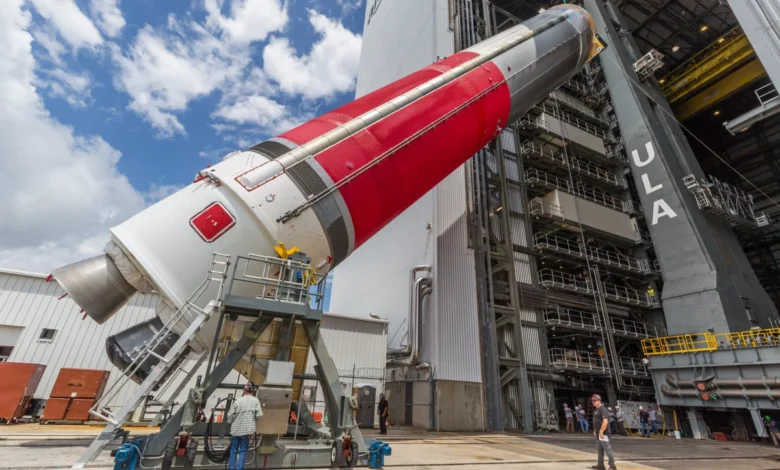
The incident, which occurred at 12:40 pm local time, has sent shockwaves through the US space industry. The Vulcan rocket, heralded as the successor to the venerable Atlas V and Delta IV Heavy platforms, is currently under contract for nearly half of all upcoming US military and national security missions. The immediate grounding of the vehicle for an exhaustive failure investigation creates an uncertain timeline for both federal government objectives and the aggressive deployment schedule of Amazon’s satellite constellation.
Chronology of the Anomaly
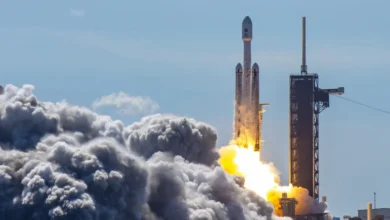
The flight began under seemingly nominal conditions. The six strap-on solid rocket boosters, which provide the bulk of the initial thrust during the liftoff phase, performed according to flight parameters during the first two minutes of the ascent. The rocket successfully cleared the launch tower at Cape Canaveral and proceeded on its northeast trajectory over the Atlantic Ocean.
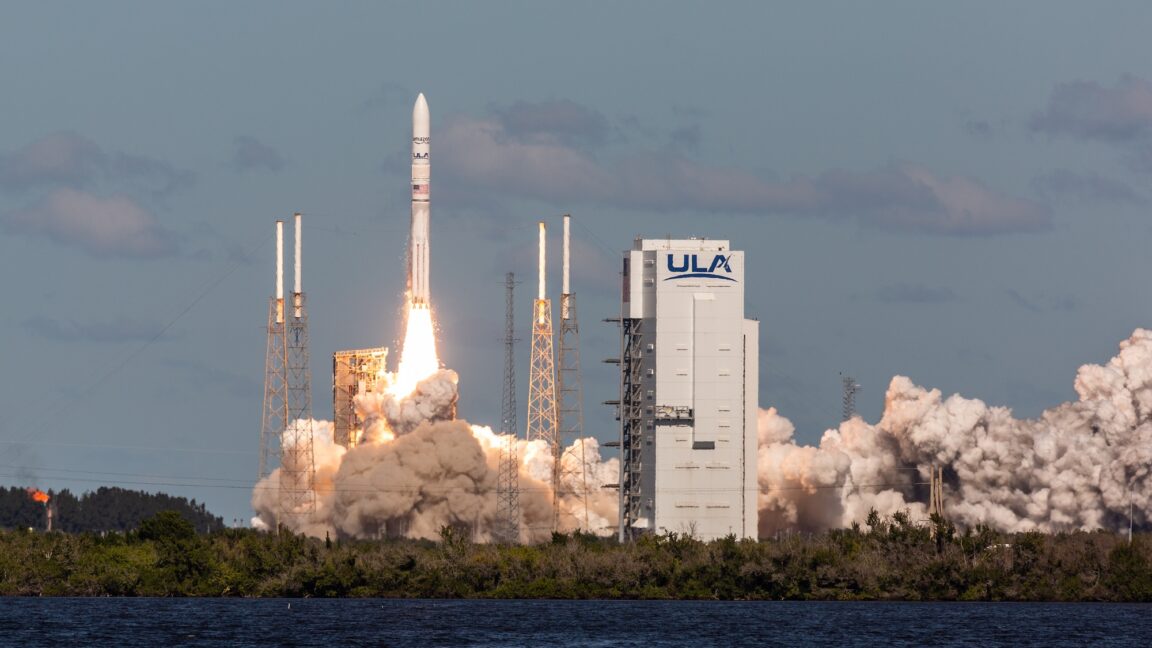
However, as the flight progressed into the booster phase, telemetry data began to suggest irregularities. While ULA initially stated that the anomaly occurred at the 10-minute mark, internal analysis and mission telemetry suggest that the rocket encountered difficulties much earlier. Sources close to the mission have indicated that the failure originated within the first-stage booster rather than the Centaur V upper stage or the solid rocket motors.
The two BE-4 main engines, manufactured by Jeff Bezos’s Blue Origin, were expected to shut down just before the five-minute mark. Instead, these engines continued firing for at least an additional 30 seconds. This prolonged burn, an apparent attempt by the flight control software to compensate for a deficit in orbital velocity, suggests the booster stage was unable to achieve the required performance levels. Shortly after, the rocket’s telemetry indicated an uncontrolled spin, which persisted through the separation of the Centaur V upper stage. Although the Centaur V’s RL10 engines ignited in a corrective maneuver, the mission was ultimately declared a failure by the company.
Technical Scrutiny and the BE-4 Factor
The failure has immediately focused attention on the BE-4 engine, a liquid methane and liquid oxygen propulsion system that represents a significant leap in engine technology. The BE-4 is designed to produce over 500,000 pounds of thrust, making it a critical component for both the Vulcan rocket and Blue Origin’s upcoming New Glenn vehicle.
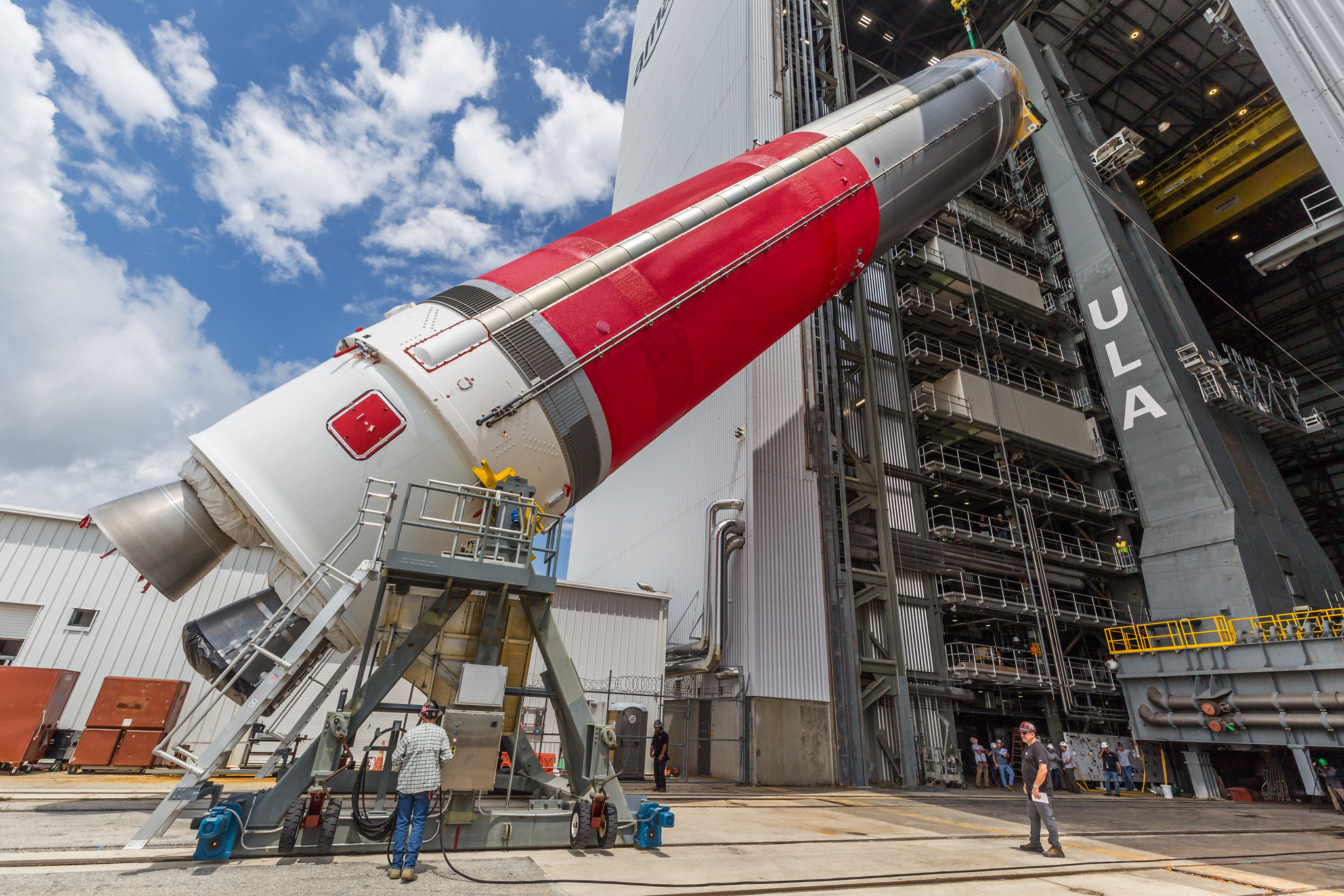
This is not the first time the BE-4 has been at the center of a high-profile aerospace incident. In May, a New Glenn booster exploded during a ground test at a Florida facility. Investigators eventually traced that explosion to a faulty valve within the engine assembly. If the current investigation into the Vulcan failure concludes that a similar mechanical or software-related flaw exists in the BE-4, the implications for Blue Origin’s flight manifest will be profound. The engine is a shared technological linchpin for both companies; a design flaw could necessitate a prolonged redesign and certification process, effectively freezing the launch capabilities of two major industry players.
Strategic Implications for Amazon’s Kuiper Network
For Amazon, the loss of 40 satellites is a significant financial and strategic blow, but the secondary impact—the potential grounding of their primary launch vehicle—is far more severe. Amazon has 37 additional launches booked with ULA to build out its Project Kuiper network, a 3,292-satellite constellation intended to provide global broadband internet and compete directly with SpaceX’s Starlink.
Amazon currently has 396 satellites in orbit. While the company stated in October that it possesses sufficient hardware to begin initial commercial service, the long-term viability of the network depends entirely on a high-cadence launch schedule. With over 1,000 satellites currently in storage, the delay caused by the Vulcan grounding risks turning these assets into expensive, depreciating inventory.
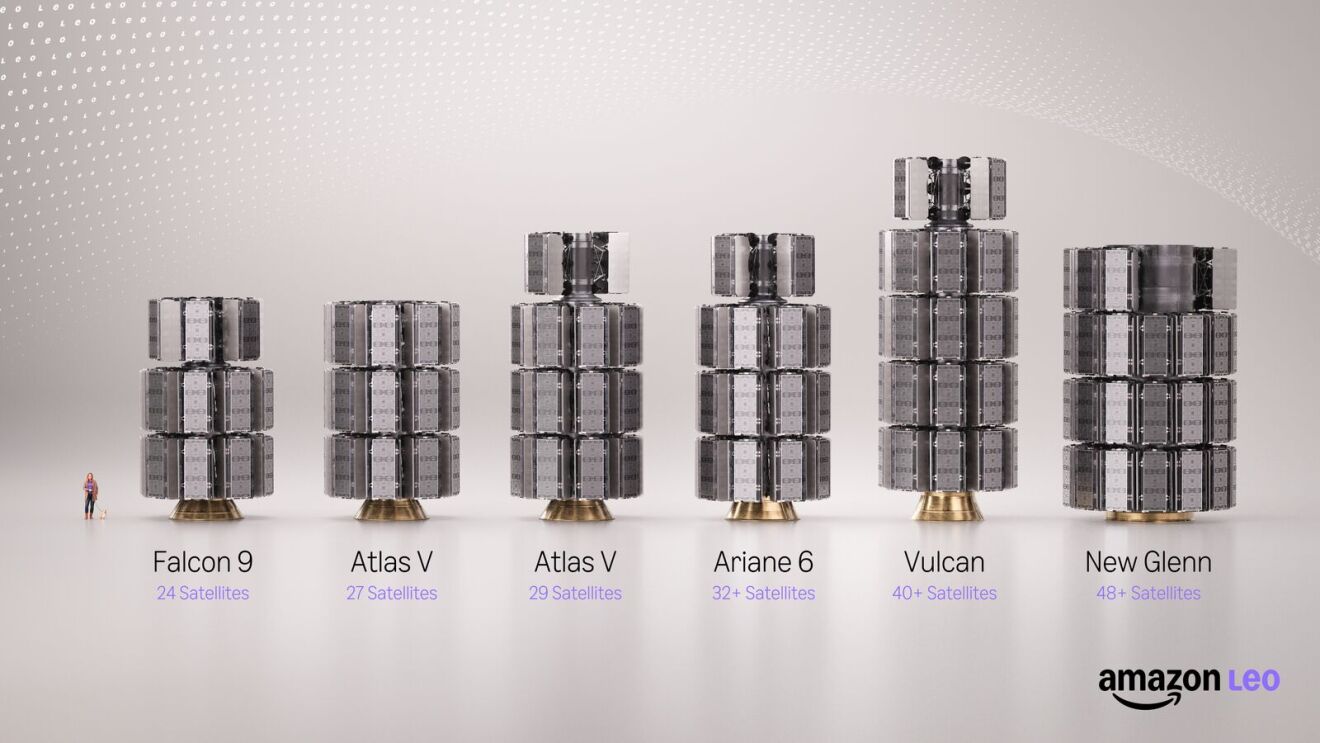
Amazon has been forced to diversify its launch strategy, securing contracts with Arianespace and utilizing SpaceX’s Falcon 9 for interim launches. However, reliance on SpaceX—their primary competitor in the satellite broadband market—is a precarious long-term solution. With SpaceX phasing out the Falcon 9 in favor of the larger Starship, Amazon’s options for reliable, medium-lift launch capacity are rapidly narrowing.
Impact on National Security and the US Space Force
The US Space Force is perhaps the stakeholder with the most to lose from this failure. In recent years, the military has relied on a "dual-provider" strategy, splitting critical national security launches between SpaceX and ULA to ensure redundancy. The Vulcan rocket was designed specifically to provide the heavy-lift capacity required for the most sensitive intelligence and military payloads.
In anticipation of potential Vulcan delays, the Space Force had already reassigned six high-priority missions from ULA to SpaceX. This incident will almost certainly trigger further reassignments, increasing the Pentagon’s dependence on Elon Musk’s SpaceX. While this secures the launch of critical assets in the short term, it creates a strategic imbalance that military leaders have been actively trying to avoid.
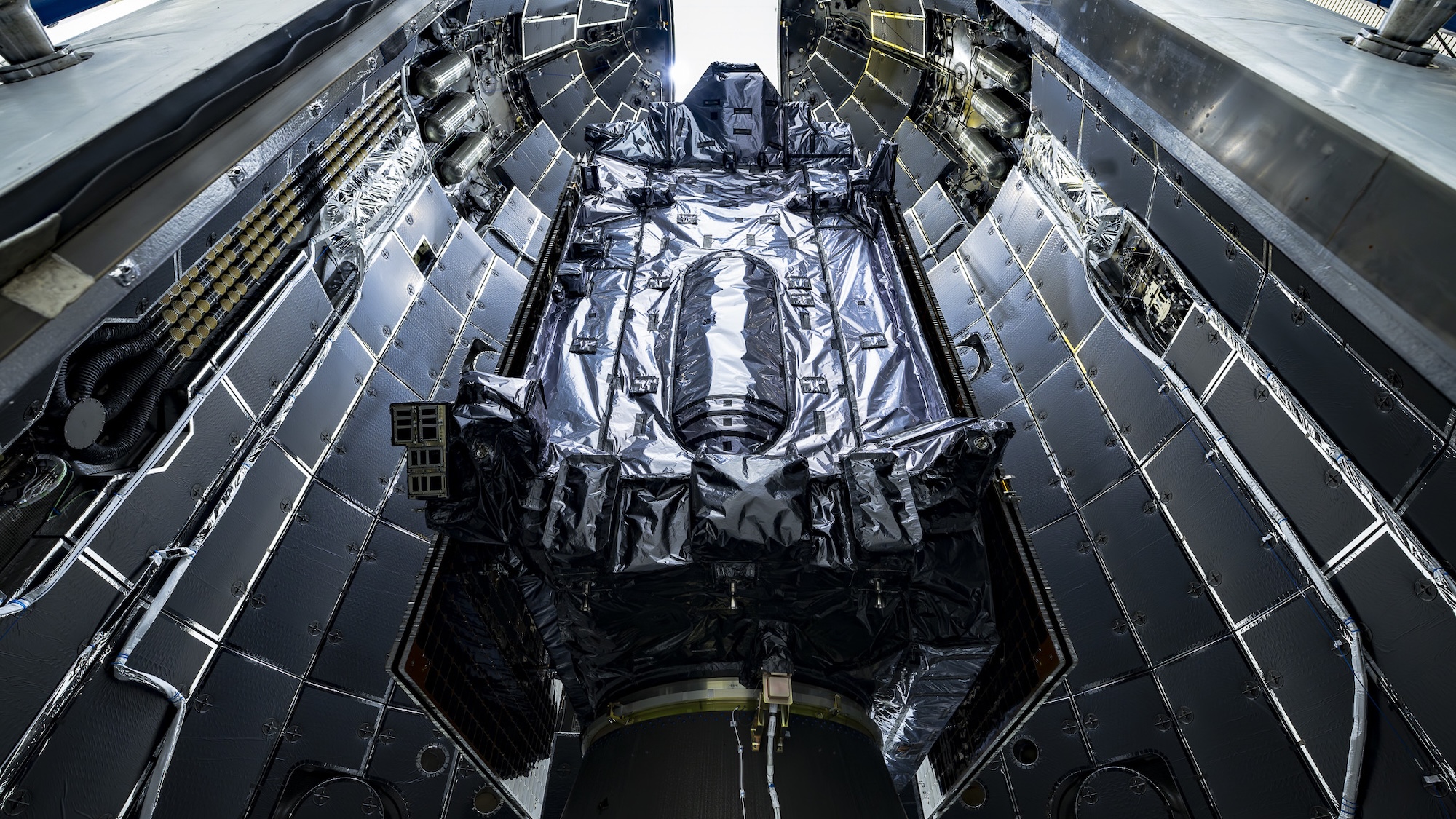
Furthermore, the Space Force recently added Blue Origin’s New Glenn to its list of certified launch providers. If the investigation confirms that the BE-4 engine is the root cause of the Sunday failure, the certification status of the New Glenn could be jeopardized, further limiting the options available to the Department of Defense.
NASA’s Lunar Ambitions and the Centaur V
The failure also casts a long shadow over NASA’s Artemis program. NASA recently selected a version of ULA’s Centaur V upper stage to replace an unproven Boeing design for future iterations of the Space Launch System (SLS), the massive rocket tasked with returning humans to the Moon.
NASA Administrator Bill Nelson was quick to offer support, stating, "The team at NASA is available to assist in all matters related to the investigation and remediation effort. Artemis, Moon Base, and the nation need ULA." Despite this show of solidarity, NASA officials will undoubtedly conduct an independent review of the Centaur V’s performance during the failed mission. Any doubt regarding the reliability of the Centaur V could force NASA to reconsider its integration into the SLS architecture, potentially delaying the 2028 timeline for crewed lunar landings.

The Path Forward
United Launch Alliance has committed to full transparency throughout the investigation. In a formal statement, the company emphasized its adherence to "rigorous methodology" and stated that its primary objective is to "find the cause, determine the appropriate corrective action, and return to flight as quickly as possible."
However, history suggests that returning to flight after a total loss is a protracted process. Previous incidents involving solid rocket booster anomalies on the Vulcan required months of investigation and engineering validation. A total system failure, involving an in-flight anomaly and a suspected engine-related issue, will likely require a much longer stand-down.
As the industry looks toward the coming months, the focus will be on the forensic data retrieved from the telemetry. The aerospace community, from the halls of the Pentagon to the headquarters of Amazon, waits for answers. For ULA, the next few months will be a test of its engineering culture and its ability to maintain the confidence of its federal and commercial partners. For the broader industry, this failure serves as a stark reminder of the inherent risks of spaceflight and the precarious nature of the current launch landscape, where a single anomaly can ripple across national security, global communications, and the future of human exploration.