
Whats In The Stimulus Bill A Guide To Where The 1 9 Trillion Is Going
Decoding the American Rescue Plan: A Deep Dive into the $1.9 Trillion Stimulus Package
The American Rescue Plan (ARP), signed into law in March 2021, represents a substantial $1.9 trillion federal legislative package designed to address the economic and public health fallout from the COVID-19 pandemic. Its allocation spans a wide array of critical areas, from direct financial relief for individuals and families to substantial investments in vaccine distribution, business support, and state and local government aid. Understanding where this unprecedented sum is directed is crucial for grasping its immediate and long-term impacts on the U.S. economy and its citizens. The legislation’s core objectives include providing immediate financial relief, accelerating the nation’s pandemic response, and fostering an equitable economic recovery.
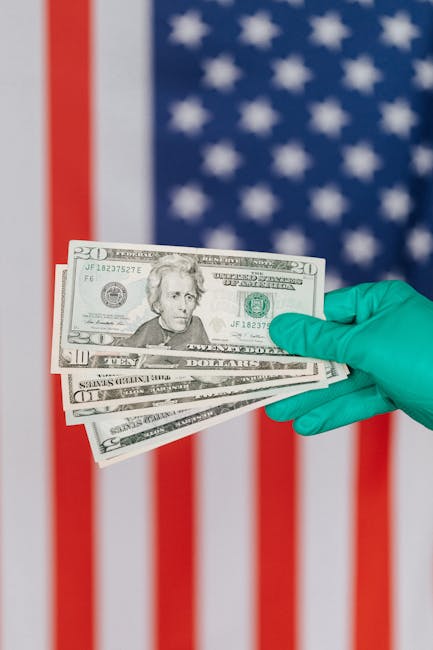
A significant portion of the ARP, estimated at approximately $420 billion, is dedicated to direct financial relief for individuals and families. This includes a third round of stimulus checks, commonly referred to as Economic Impact Payments (EIPs). These payments, capped at $1,400 per eligible individual, aim to provide immediate cash infusions to households struggling with lost income, increased expenses, and general economic uncertainty. Eligibility for these payments is phased out based on income levels, ensuring that the bulk of the funds reaches those most in need. Beyond direct payments, the ARP also expanded the Child Tax Credit (CTC), a vital component of family support. For 2021, the CTC was made fully refundable and increased to $3,000 per child aged 6-17 and $3,600 per child under 6. Crucially, half of this enhanced credit was distributed as monthly advance payments from July to December 2021, providing ongoing financial stability for families. This expansion significantly reduced child poverty during its implementation.
Another substantial allocation, totaling around $350 billion, is directed towards state, local, territorial, and tribal governments. This funding, often referred to as Coronavirus State and Local Fiscal Recovery Funds, is designed to help these governmental entities recover from revenue losses incurred due to the pandemic and to support essential public services. These funds can be used for a variety of purposes, including addressing public health emergencies, supporting workers who lost their jobs, and making investments in infrastructure and essential services. The aim is to prevent significant cuts to vital services like education, public safety, and healthcare that could have further hampered economic recovery. The flexibility of these funds allows governments to tailor their use to specific local needs, promoting a more targeted and effective response.
The ARP allocates approximately $20 billion for vaccine distribution and administration, a critical component of combating the pandemic. This funding supports the Centers for Disease Control and Prevention (CDC) and other federal agencies in their efforts to procure, distribute, and administer COVID-19 vaccines across the nation. This includes grants to states and localities for vaccine outreach, logistics, and healthcare provider support. The goal is to accelerate vaccination rates, reduce the spread of the virus, and ultimately allow for a safer reopening of the economy. Investments in research and development for vaccines and treatments also fall under this broad category.
Small businesses, the backbone of the American economy, receive considerable support through the ARP, with an estimated $50 billion allocated to enhance existing programs and introduce new relief measures. This includes an extension and expansion of the Paycheck Protection Program (PPP), providing forgivable loans to help businesses cover payroll costs, rent, and other essential expenses. The ARP also introduced new grant programs, such as the Restaurant Revitalization Fund, specifically designed to assist hard-hit industries like hospitality. These programs are crucial for preventing widespread business closures and job losses, fostering an environment where businesses can survive and eventually thrive post-pandemic.
Healthcare and public health initiatives receive significant investment, with the ARP earmarking around $125 billion to strengthen the nation’s healthcare infrastructure and response capabilities. This funding supports hospitals, healthcare providers, and public health departments in their ongoing fight against COVID-19. It facilitates testing, contact tracing, and the expansion of telehealth services, enhancing access to care. Furthermore, the ARP invests in mental health services and substance abuse treatment, recognizing the increased demand for these critical resources during the pandemic. Funding for community health centers and efforts to address health disparities are also prioritized, aiming for a more equitable healthcare system.
Education and workforce development programs are allocated approximately $170 billion through the ARP. This funding aims to help schools safely reopen and remain open, and to address learning loss experienced by students during remote learning. It supports K-12 schools with resources for testing, ventilation, and personal protective equipment, as well as funding for academic intervention and mental health support for students. Higher education institutions also receive aid to prevent tuition increases and support students facing financial hardship. The ARP also invests in workforce development programs, providing training and reskilling opportunities for individuals displaced by the pandemic, helping them to re-enter the job market.
Housing assistance and rental relief are critical components of the ARP, with approximately $30 billion dedicated to preventing evictions and homelessness. This funding provides emergency rental assistance to low- and moderate-income households struggling to pay rent and utilities. It aims to keep families housed and prevent a surge in homelessness. The ARP also includes provisions for emergency housing vouchers and funding for homelessness assistance programs, ensuring that vulnerable populations have access to stable housing. This aspect of the legislation is crucial for preventing long-term social and economic instability for millions of Americans.
Beyond direct financial relief and immediate pandemic response, the ARP also incorporates investments in longer-term economic recovery and resilience. This includes funding for infrastructure projects, particularly those focused on broadband expansion in underserved areas, recognizing the increasing importance of digital connectivity for education, work, and commerce. Investments in clean energy initiatives and climate resilience are also present, aligning with broader national goals. These broader economic development aspects of the ARP are designed to not only address the immediate crisis but also to lay the groundwork for a more robust and sustainable economic future.
The ARP’s broad scope means its impact is felt across numerous sectors of the U.S. economy and society. From direct payments to individuals and families, to supporting businesses, bolstering healthcare systems, and aiding educational institutions, the legislation represents a comprehensive effort to mitigate the pandemic’s devastating effects and foster a path toward recovery. The distribution of these funds is subject to oversight and reporting requirements to ensure accountability and transparency, with various federal agencies responsible for implementing and monitoring the specific programs and allocations. Understanding the detailed breakdown of this $1.9 trillion package is essential for comprehending the federal government’s response to one of the most significant crises in modern history. The legislation’s multifaceted approach underscores the interconnectedness of public health, economic stability, and social well-being in navigating such widespread challenges. The success of these diverse allocations will ultimately be measured by their ability to alleviate suffering, stimulate economic activity, and promote a more equitable and resilient nation.
