Volkswagen is officially rebranding the ID.4 as the ID. Tiguan to unify its electric vehicle portfolio under iconic, established model names.

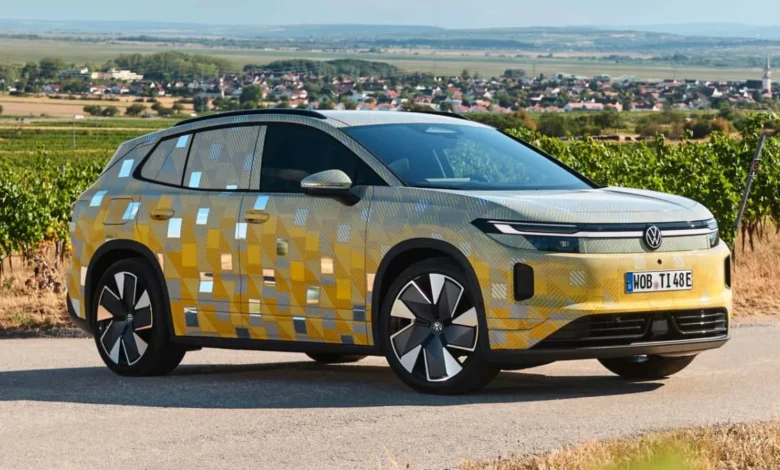
The automotive landscape is undergoing a profound transformation as legacy manufacturers pivot toward full electrification, and Volkswagen is now taking a decisive step to bridge the gap between its storied internal combustion engine (ICE) heritage and its future-focused electric lineup. In a move that signals a change in branding philosophy, the company has confirmed that the successor to the ID.4 will be marketed as the ID. Tiguan. This transition represents more than a simple nomenclature update; it is a strategic maneuver designed to leverage the immense brand equity of the Tiguan—a nameplate that has moved over 8.3 million units since its debut nearly two decades ago—to bolster the market presence of its electric crossover.
The Strategic Evolution of the Volkswagen Brand
The Tiguan name, a portmanteau derived from the German words "Tiger" and "Leguan" (iguana), has served as the backbone of Volkswagen’s SUV dominance since 2007. By applying this badge to its next-generation electric crossover, Volkswagen is signaling a departure from the strictly alphanumeric "ID" naming convention that defined its initial foray into the EV market.
Industry analysts suggest this move is aimed at simplifying the consumer experience. While the "ID" prefix will remain to denote the vehicle’s electric nature, pairing it with a household name like Tiguan provides immediate recognition for buyers who may be intimidated by the rapid proliferation of new electric model names. This is not the first time Volkswagen has employed this strategy; the recent introduction of the ID. Polo is another testament to the company’s intention to keep its most successful monikers relevant in an era of zero-emission mobility.
Technical Foundations: MEB Architecture vs. Legacy Platforms
It is essential to clarify that the new ID. Tiguan is not merely an electrified version of the existing gas-powered Tiguan. The two vehicles will continue to exist in parallel, serving different market segments and utilizing fundamentally different architectures. The current Tiguan, which recently entered a new generation, is built upon the modular MQB platform, engineered primarily for internal combustion and plug-in hybrid powertrains.
In contrast, the upcoming ID. Tiguan will be underpinned by the dedicated MEB (Modular Electric Drive Matrix) platform. This architecture is designed from the ground up to accommodate large battery packs, optimize interior space, and support advanced driver-assistance systems. While some consumers have expressed a desire for a unified model line, Volkswagen maintains that the technological requirements of a pure EV and an ICE vehicle are currently too distinct to merge into a single, shared platform. As the global adoption of electric vehicles remains uneven, this dual-track product strategy allows Volkswagen to hedge its bets across diverse international markets.
Design Revisions and Ergonomic Enhancements
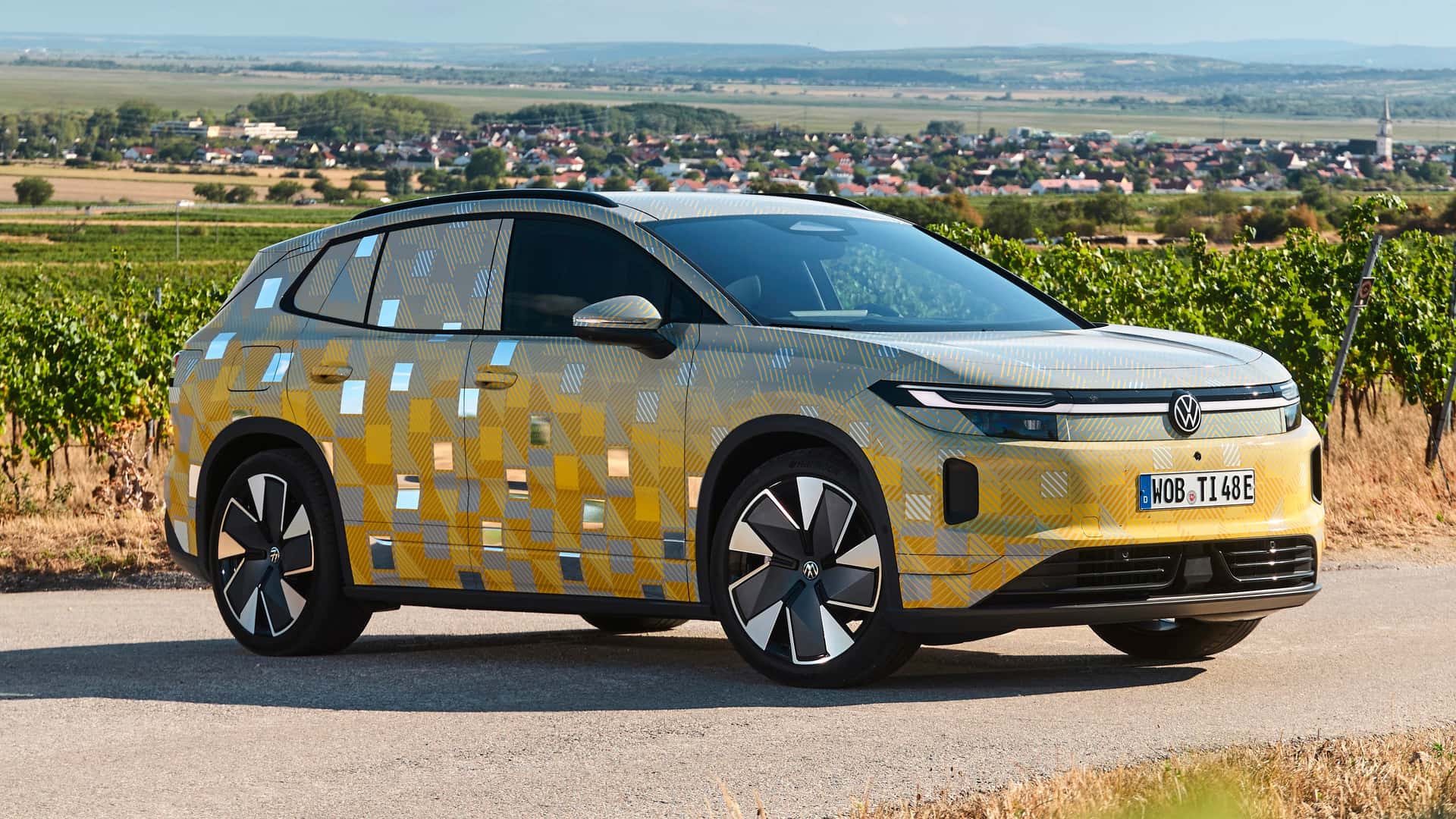
While the underlying engineering remains distinct, the visual identity of the ID. Tiguan is set for a substantial refresh. Camouflaged prototypes spotted during testing indicate that Volkswagen is aiming for a more aggressive, athletic aesthetic. The bulbous, rounded silhouette that characterized the outgoing ID.4—often criticized for lacking a traditional SUV presence—is being tempered with sharper lines and a more structured profile.
The most significant visual changes are concentrated on the front and rear fascias. The redesigned headlights and taillights appear to draw inspiration from the ID.3 Neo and the recently updated ID. Polo, featuring slimmer, more technical light signatures that give the vehicle a wider, more grounded stance.
Perhaps more important than the exterior styling is the overhaul of the interior. Volkswagen has openly acknowledged the feedback regarding the original ID.4’s reliance on capacitive touch controls, which many users found difficult to operate while driving. The ID. Tiguan addresses these concerns directly. According to interior prototypes, the cabin features a redesigned dashboard with a row of physical buttons located beneath the central touchscreen, significantly improving tactile feedback. Furthermore, the controversial touch-sensitive slider for volume and temperature control has been replaced or supplemented with more intuitive, traditional interfaces. The inclusion of a larger digital instrument cluster and independent window switches for each door further suggests that Volkswagen is prioritizing ergonomics and user experience in this mid-cycle evolution.
Timeline and Market Deployment
The global rollout of the ID. Tiguan is scheduled to begin in Europe early next year. Following the European debut, the vehicle is expected to arrive in the North American market to fill the gap left by the discontinuation of the original ID.4. While specific pricing and performance specifications for the U.S. version have yet to be finalized, company representatives have confirmed that the ID. Tiguan is the designated successor for the region.
Volkswagen’s roadmap indicates that more detailed, market-specific information—including EPA-estimated range, charging capabilities, and regional trim levels—will be released in the coming months. The timing of this launch is critical, as it coincides with increasing competition from domestic and Asian manufacturers who are aggressively expanding their electric crossover offerings.
Implications for the Future of the ID Series
The transition to the ID. Tiguan nameplate raises questions about the future of the remaining ID-branded vehicles. For years, the "ID" badge was the centerpiece of Volkswagen’s marketing campaign, meant to denote a new era of "Intelligent Design." However, as the electric market matures, the company appears to be moving toward a more traditional naming hierarchy.
The implications for the broader Volkswagen Group are significant. By integrating the Tiguan brand with the electric powertrain, the company is effectively lowering the barrier to entry for loyal, long-time Volkswagen owners. For these customers, the jump from a gas-powered Tiguan to an electric ID. Tiguan feels like a natural progression rather than a leap into an unfamiliar sub-brand.
Furthermore, the emphasis on improved interior quality and physical controls reflects a broader shift in automotive design, where automakers are realizing that "digital-first" does not always equate to "user-friendly." By listening to customer feedback and integrating those findings into the ID. Tiguan, Volkswagen is demonstrating a level of responsiveness that could prove vital in maintaining its market share against newer, tech-heavy entrants.
A Balancing Act
As Volkswagen prepares to transition the ID.4 nameplate into the history books, the ID. Tiguan emerges as a symbol of the company’s middle-ground strategy. It is a vehicle that respects the past while embracing the necessity of the future. The success of this model will depend on more than just its name; it will hinge on its ability to offer a seamless transition for the average consumer, delivering the reliability and familiarity of the Tiguan legacy with the efficiency and innovation of the MEB electric architecture.
With its early-2027 European launch fast approaching, the automotive industry will be watching closely to see if the ID. Tiguan can replicate the massive success of its namesake. If the initial design improvements and the return to physical controls are any indication, Volkswagen is betting that a blend of tradition and modernity is the winning formula for the next phase of the electric revolution. Whether this strategy succeeds in the long term remains to be seen, but for now, it represents a bold and necessary adjustment in the company’s ongoing pursuit of global leadership in the electric mobility sector.
Related posts: