The MIND Diet Linked to Slower Brain Aging and Reduced Structural Decline in New Long-Term Study

A diet that combines elements of the Mediterranean diet with an eating plan designed to lower blood pressure may help slow some of the structural changes that occur as the brain ages, according to research published online in the Journal of Neurology Neurosurgery & Psychiatry. By focusing on specific nutrient-dense foods while restricting inflammatory triggers, this dietary intervention—known as the MIND diet—appears to preserve critical brain tissue, potentially offering a non-pharmacological strategy to mitigate the onset of neurodegenerative conditions such as Alzheimer’s and Parkinson’s disease.
The Anatomy of the MIND Diet
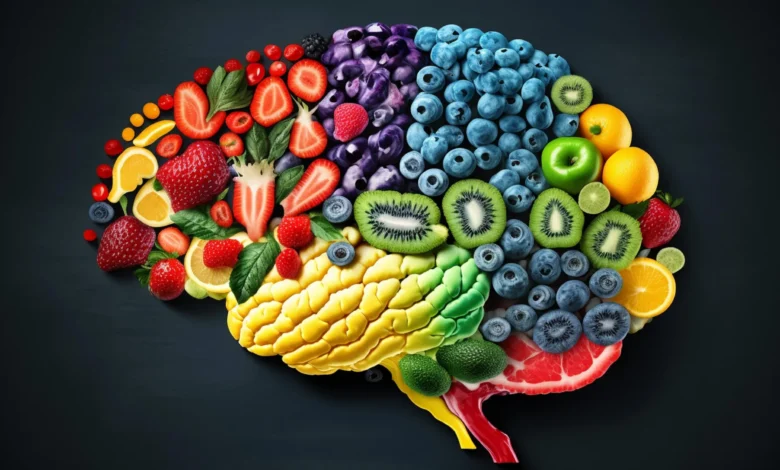
The Mediterranean-Dietary Approaches to Stop Hypertension (DASH) Intervention for Neurodegenerative Delay (MIND) diet is a hybrid nutritional framework. It was specifically engineered to address the biological mechanisms of cognitive decline by prioritizing foods high in antioxidants, polyphenols, and omega-3 fatty acids.
The diet mandates the daily consumption of green leafy vegetables, whole grains, nuts, and berries, while emphasizing fish, beans, olive oil, and poultry as primary protein sources. Conversely, it advises strict moderation of butter, margarine, cheese, red meat, and processed sweets. Most notably, the diet identifies fried fast foods as a primary nutritional target for elimination, citing their association with systemic inflammation and vascular degradation.
Chronology and Methodology of the Framingham Study
The investigation into the efficacy of the MIND diet utilized data from the prestigious Framingham Heart Study Offspring cohort (FOS), a long-running epidemiological study that has tracked the cardiovascular and neurological health of thousands of participants over decades.
The research team monitored 1,647 middle-aged and older adults, beginning with an average participant age of 60. The study timeline spanned from 1991 to 2019, creating a robust longitudinal data set. Dietary habits were captured via multiple food frequency questionnaires (FFQ) administered during three key windows: 1991–1995, 1995–1998, and 1998–2001.
Beginning in 1999, researchers initiated a rigorous imaging protocol, conducting brain MRI scans every two to six years. To ensure the integrity of the data, all participants were required to be free of stroke or dementia at the time of their baseline MRI. Over the course of a 12-year follow-up period, the researchers tracked changes in total brain volume, grey matter density, white matter integrity, and ventricular expansion.
Quantifying the Cognitive Benefit
The results of the MRI scans provided a stark visual representation of aging. As expected, the general cohort experienced a global decline in total brain volume, including shrinkage of the hippocampus—the region of the brain central to memory formation. Simultaneously, participants showed an increase in ventricular volume—the fluid-filled cavities that expand as surrounding brain tissue atrophies—and an accumulation of white matter hyperintensities, which serve as markers for small-vessel brain disease.
However, a clear correlation emerged between nutritional adherence and structural preservation. Those who scored higher on the MIND diet index exhibited significantly slower rates of grey matter loss. Specifically, for every three-point increase in the MIND diet score, researchers observed a reduction in the rate of grey matter decline by 0.279 cm³/year. This translates to approximately 20% less age-related decline, effectively providing a "brain buffer" equivalent to two and a half years of preserved neurological aging.
Ventricular expansion, a negative indicator of brain health, was similarly mitigated. A three-point increase in the MIND score was associated with an 8% reduction in the rate of ventricular enlargement, equivalent to roughly one year of delayed structural aging.
The Role of Specific Food Groups
The study identified particular nutritional components that drove these favorable outcomes. Berries, which are rich in anthocyanins—flavonoids known for their neuroprotective properties—were strongly linked to slower ventricular volume growth. Poultry intake also showed a positive correlation with both the preservation of grey matter and the stabilization of ventricular size.
In contrast, the data highlighted the detrimental effects of modern dietary staples. Higher consumption of refined sweets and fried fast foods was directly linked to faster ventricular enlargement and accelerated hippocampal atrophy. Researchers hypothesize that the high concentrations of advanced glycation end-products and trans fats found in these foods trigger oxidative stress, which accelerates the damage to neuronal structures.
Anomalous Findings and Nutritional Complexity
While the data largely supported the MIND framework, the study also produced counter-intuitive findings. Contrary to the general emphasis on whole grains in the diet, higher consumption of whole grains in this specific cohort was associated with faster losses of grey matter and hippocampal volume.
Simultaneously, cheese consumption appeared to have a protective effect, showing a correlation with slower declines in both grey matter and hippocampal volume. These results suggest that the relationship between specific macronutrients and brain health may be more complex than currently understood, potentially influenced by the presence of other dietary components or individual metabolic differences. Researchers cautioned that while these results were statistically significant, they do not necessarily negate the broader benefits of the MIND diet, but rather highlight the need for more nuanced, large-scale studies on individual food items.
Broader Implications for Public Health
The strength of the observed associations appeared to be more pronounced in older participants and those with higher physical activity levels. This suggests that the MIND diet may act as a potent modifier for individuals already at an elevated risk of neurodegeneration. By integrating diet with physical activity and weight management, individuals may be able to significantly shift the trajectory of their cognitive health.
From a public health perspective, these findings provide a compelling argument for dietary intervention as a primary preventative measure. With the global incidence of dementia expected to rise sharply over the coming decades, the economic and social burden of neurodegenerative disease is immense. If a relatively simple shift in nutritional intake can delay brain aging by even a few years, the population-level impact on healthcare costs and quality of life would be substantial.
Limitations and Future Directions
Despite the significant findings, the research team emphasized that the study remains observational. Consequently, it cannot definitively prove a cause-and-effect relationship between the MIND diet and brain structure. The reliance on food frequency questionnaires introduces the possibility of recall bias, and the study was unable to fully account for genetic predispositions or changes in dietary habits that may have occurred in the years following the initial assessments.
Furthermore, the demographic composition of the Framingham cohort—predominantly White—limits the generalizability of these findings. Future research must expand to include more diverse ethnic and socioeconomic populations to determine if these neuroprotective benefits remain consistent across different biological and cultural contexts.
Conclusion: A Foundation for Future Research
The study serves as a critical addition to the growing body of literature supporting the "gut-brain axis" and the role of nutrition in long-term neurological health. By documenting the structural changes in the brain over two decades, the researchers have provided a measurable link between what we eat and the physical architecture of our minds.
While the study does not offer a panacea for neurodegenerative diseases, it reinforces the potential of the MIND diet as a viable strategy for healthy aging. As the medical community continues to look for ways to combat the rising tide of cognitive decline, the integration of brain-healthy nutritional guidelines into standard primary care remains an essential, evidence-based pillar for maintaining long-term cognitive function. The findings suggest that the most effective way to protect the brain may be to start from the plate, utilizing the natural anti-inflammatory and antioxidant power of a Mediterranean-style, plant-forward diet.
Related posts: