New York Becomes the First State in the Nation to Mandate All-Electric Construction for New Buildings

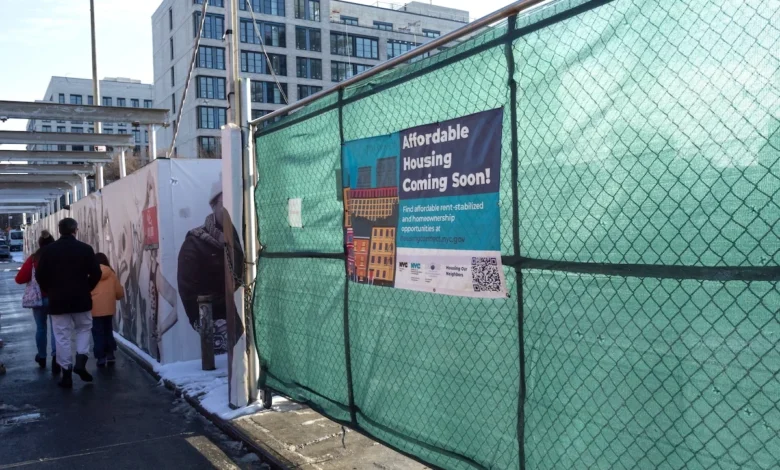
New York has officially solidified its position as a national leader in climate policy, becoming the first state in the United States to require that most new residential and commercial construction projects be built entirely without fossil fuel infrastructure. This landmark regulatory shift, finalized in late July 2025 by the State Fire Prevention and Building Code Council, marks the culmination of a multi-year legislative effort to decarbonize the state’s built environment. By prohibiting natural gas hookups and other fossil fuel connections in new builds, the state aims to address a significant portion of its greenhouse gas emissions while simultaneously driving innovation in energy efficiency and consumer utility savings.
The Legislative Path to Electrification
The road to this mandate began in 2023 with the passage of the All-Electric Buildings Act. The policy was designed as a direct intervention into the state’s carbon footprint, specifically targeting the heating, cooking, and hot water systems that have historically relied on fossil fuels. Following the legislative approval, the State Fire Prevention and Building Code Council spent the subsequent months refining the technical standards to ensure that the transition could be implemented safely and effectively across diverse building types.
The timeline for implementation is staggered to allow the construction industry and utility providers time to adapt. Starting December 31, 2025, residential buildings up to seven stories and commercial/industrial structures under 100,000 square feet must be fully electric. Larger commercial and industrial facilities, which present more complex engineering challenges, have been granted an extension until 2029 to meet the new standards. This phased approach is intended to mitigate supply chain disruptions and provide a runway for developers to integrate heat pump technology and high-efficiency electric appliances into their project blueprints.
Decarbonizing the Built Environment: Why It Matters
The rationale for the mandate is rooted in data from the New York State Department of Environmental Conservation, which indicates that buildings account for approximately 31% of all greenhouse gas emissions within the state. Unlike the transportation or industrial sectors, which often require complex systemic overhauls, building decarbonization offers a more direct path to emission reductions through the adoption of existing technology, such as electric heat pumps, induction stoves, and advanced water heating systems.
Beyond the environmental benefits, the transition is expected to offer tangible economic advantages. Proponents point to research from the New Buildings Institute suggesting that electrification can lead to lower long-term costs. For instance, the construction of a 100% electric single-family home can result in savings ranging from $7,500 to $8,200 compared to a conventional home, primarily due to the elimination of costs associated with installing gas piping and venting systems. Furthermore, household energy bills are projected to decrease by roughly 17% over a 30-year period, shielding residents from the volatility of global fossil fuel markets.
Legal Challenges and Regulatory Hurdles
The path to this finalization was not without significant legal resistance. Building industry groups and fossil fuel advocacy organizations mounted several challenges against the All-Electric Buildings Act, mirroring the litigation that successfully overturned a similar municipal ban in Berkeley, California. Opponents argued that state mandates on fuel sources overstepped jurisdictional boundaries, suggesting that federal energy regulations should take precedence.
However, in July 2025, the U.S. District Court for the Northern District of New York issued a pivotal ruling, affirming the state’s authority to enforce the act. The court’s decision was viewed as a significant rebuke to industry lobbyists. While industry groups have petitioned the U.S. Department of Justice to intervene and block the implementation, the state’s regulations remain legally binding as of the current date. Legal experts suggest that New York’s approach—which is integrated into building codes rather than a simple ban—may be more resilient to federal preemption challenges than the earlier California ordinances.
Stakeholder Perspectives and Public Reaction
The reaction to the mandate has been polarized, reflecting broader national tensions between environmental advocates and industrial stakeholders. Dawn Wells-Clyburn, executive director of PUSH Buffalo, characterized the court ruling as a victory for community health and affordability. "The fossil fuel industry was sent a powerful message by the court in this case—the health, well-being, affordability, and prosperity of our communities matters more than the industry’s profits and the hollowness of its fear-mongering," she stated.

Conversely, some industry groups remain concerned about the impact on construction timelines and the reliability of the electrical grid. Critics argue that the state must ensure that the transition to an all-electric grid is matched by a robust investment in renewable energy generation and transmission infrastructure to avoid overloading the system during peak demand periods.
Alex Beauchamp, Northeast region director at Food & Water Watch, emphasized that the victory represents a long-term strategy for the state. "When New Yorkers come together, we can win even in the face of opponents with an almost-limitless budget," Beauchamp said. "That is how we won this bill. It’s also how we are going to continue the fight to get fossil fuels out of all the existing buildings in the state."
Strategic Exemptions and Practical Realities
The state has acknowledged that a blanket ban is not feasible for every type of structure. Consequently, the new mandate includes specific exemptions for facilities where fossil fuels are currently deemed essential for operation. These include:
- Medical Facilities: Hospitals and urgent care centers that require backup power and specialized climate control systems.
- Laboratories: Research environments that require high-heat gas processes for scientific experiments.
- Crematoriums: Facilities that require specific combustion temperatures for operations.
- Agricultural Buildings: Structures designed for livestock or specialized crop production that currently lack electric alternatives.
- Restaurants: While many commercial kitchens are transitioning to induction, the code allows for specific flexibility in high-volume food service environments where electric alternatives may still be in the developmental stage.
These exemptions are subject to periodic review, and the state intends to phase them out as electric technology matures to meet the specific requirements of these niche industries.
Implications for the U.S. Construction Sector
New York’s move serves as a bellwether for other states considering similar climate-conscious building codes. As the most populous state to adopt such a policy, the sheer volume of new construction projects in New York will necessitate a market shift among manufacturers of HVAC and kitchen appliances. This "New York effect" is expected to drive down the cost of electric appliances nationally, as economies of scale improve through increased demand.
Furthermore, the mandate is forcing developers to reconsider project designs from the ground up. Architects are increasingly focusing on "passive house" standards, which prioritize airtight building envelopes and high-performance insulation to minimize the total heating and cooling load. By reducing the energy required for the building to function, developers can offset the costs of high-efficiency electric systems, proving that the economic viability of green building is no longer a matter of theory, but a standard operating procedure.
Future Outlook: Retrofitting Existing Buildings
While the 2025 mandate focuses exclusively on new construction, the broader goal of New York’s climate strategy remains the decarbonization of the existing housing stock. Existing buildings, many of which are decades or even centuries old, present a far more significant challenge than new, purpose-built structures. State officials have signaled that future policy initiatives will focus on incentives for retrofitting, including tax credits for homeowners who transition from oil or gas heating to heat pumps.
The success of the new construction mandate will be the primary litmus test for the state’s broader climate goals. If the transition is executed smoothly and proves to be cost-effective for developers and tenants alike, it will likely serve as the foundational model for a nationwide shift in building codes. For now, the construction industry in New York is preparing for a new era—one where the gas line is a relic of the past and electricity is the primary engine of the state’s urban development.