Space exploration in science fiction is frequently portrayed as a perilous endeavor, where the boundary between discovery and catastrophe is often defined by a single, ill-fated boarding action. Across decades of literature, cinema, and interactive media, the trope of the "derelict craft" has served as a crucible for psychological horror and existential dread. These vessels, ranging from hollowed-out behemoths to claustrophobic research ships, represent more than just setting; they are manifestations of technological hubris and the dangers of encountering the unknown. While distress beacons are typically intended to facilitate rescue, in the annals of speculative fiction, they more often function as bait for the unwary.
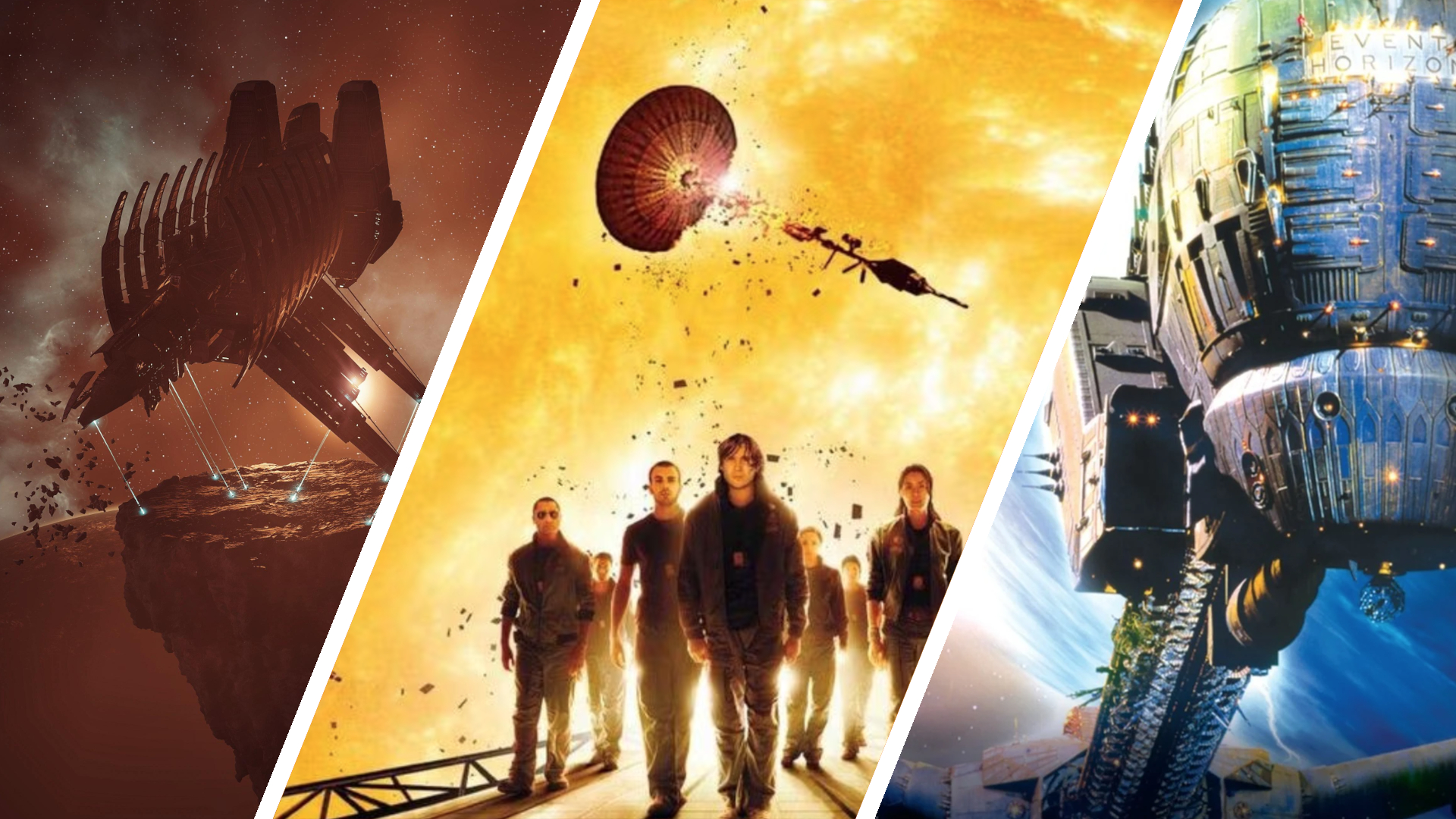
The Psychological and Material Hazards of Deep Space Salvage
The phenomenon of the abandoned spacecraft typically follows a established narrative framework: a vessel vanishes, often under mysterious circumstances involving advanced technology or anomalous physics, only to reappear after a significant period of silence. When industrial or exploratory crews—often driven by corporate mandates or the promise of salvage rights—attempt to reclaim these assets, the results are invariably lethal.
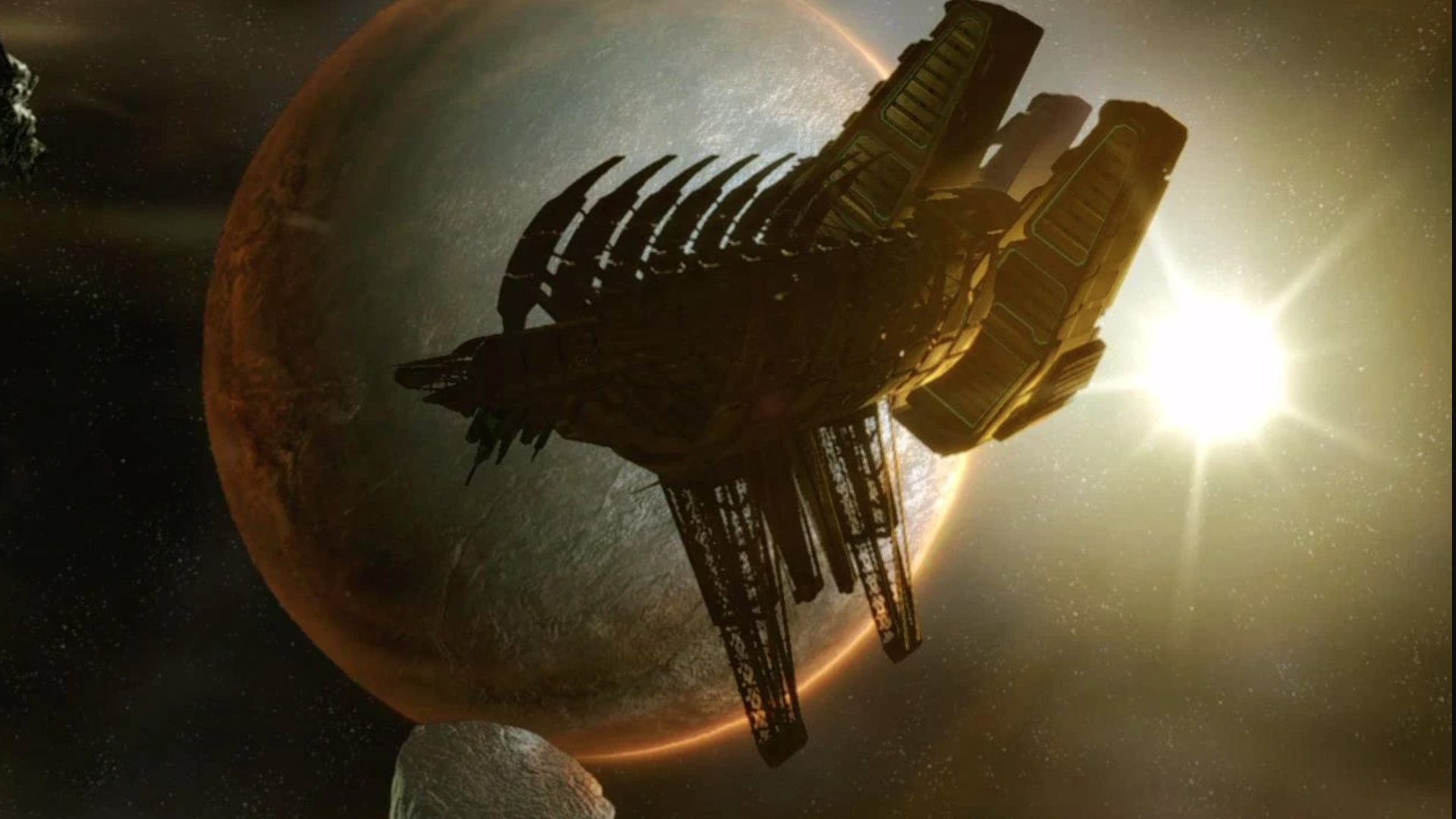
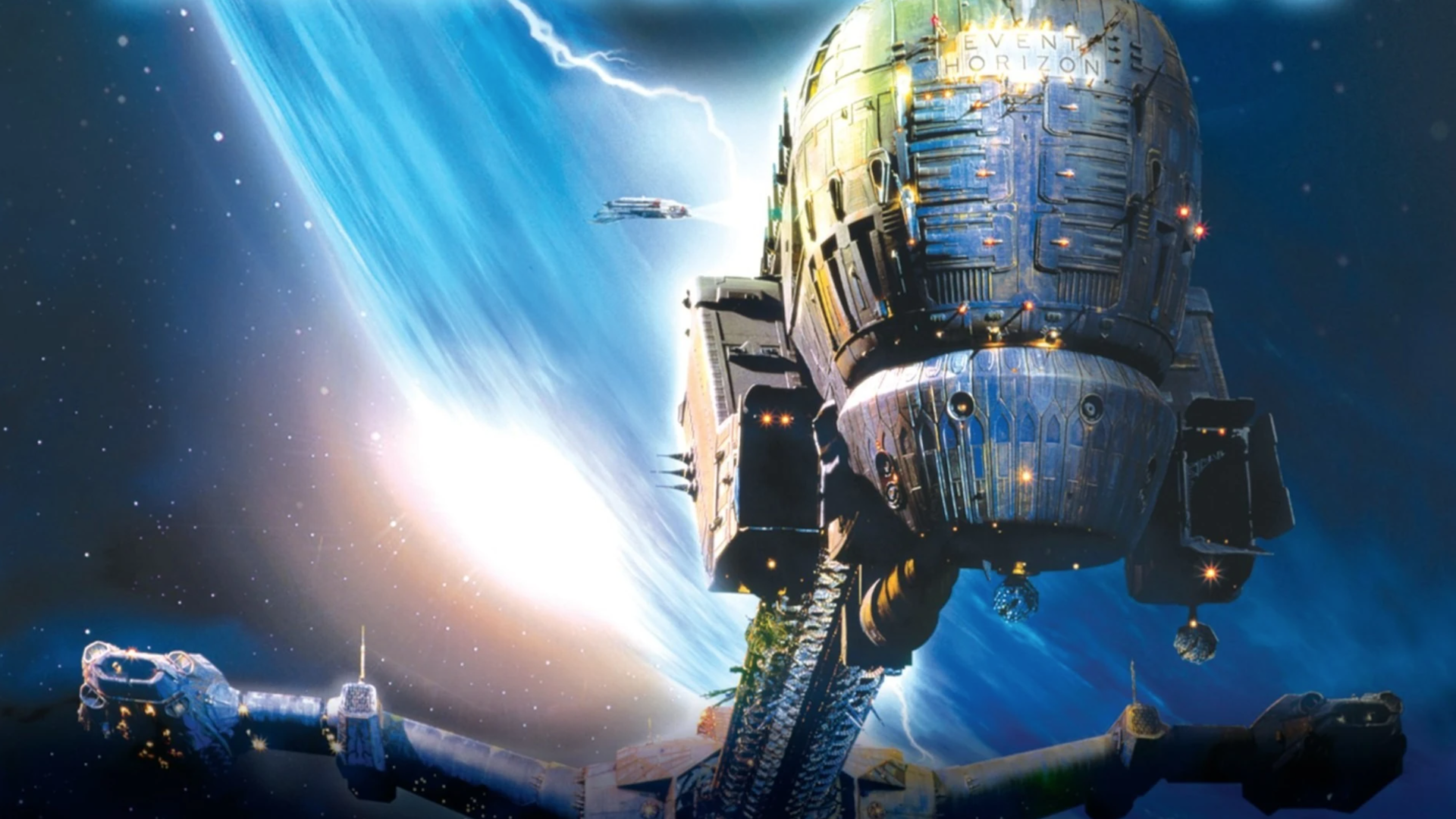
Analysis of these scenarios reveals a common thread: the degradation of human sanity and biological integrity. Whether through exposure to extra-dimensional entities, as seen in the case of the Event Horizon, or through biological mutation, such as the Necromorph infestation on the USG Ishimura, these ships act as localized vectors for contagion. The implications for interstellar safety protocols are significant; in nearly every documented case, the decision to board was predicated on a lack of situational awareness or an over-reliance on standard operating procedures that failed to account for non-human threats.
Chronological Survey of Notable Derelict Encounters
The history of these incidents spans over 70 years of fictional reporting, beginning in the mid-20th century.
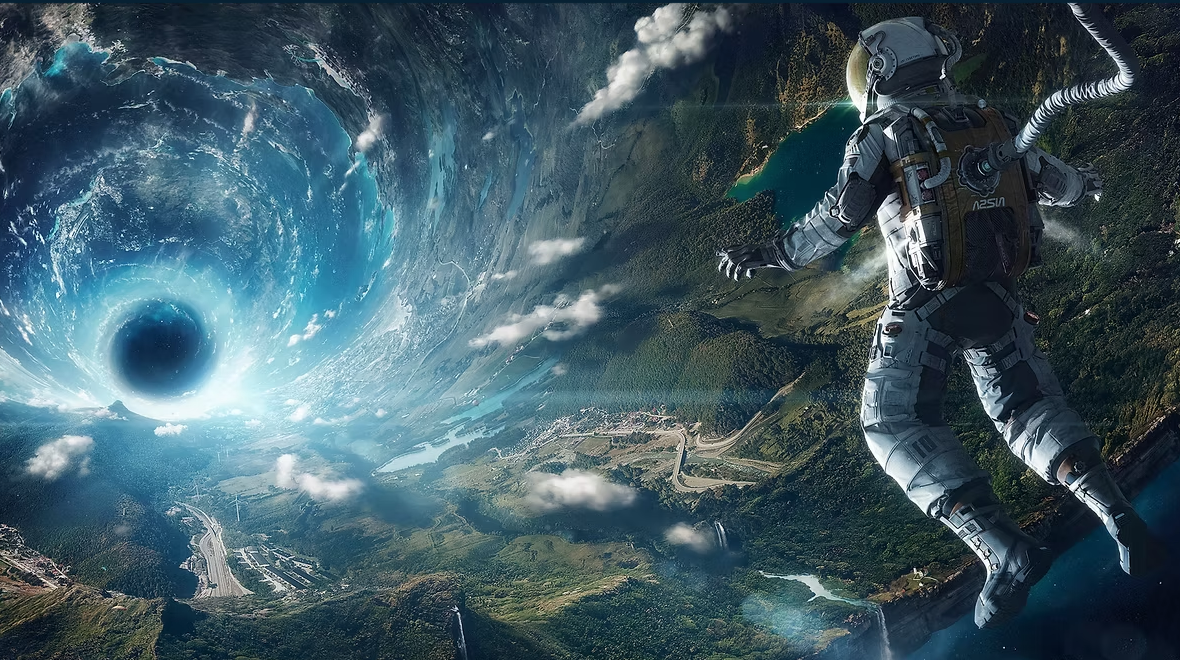
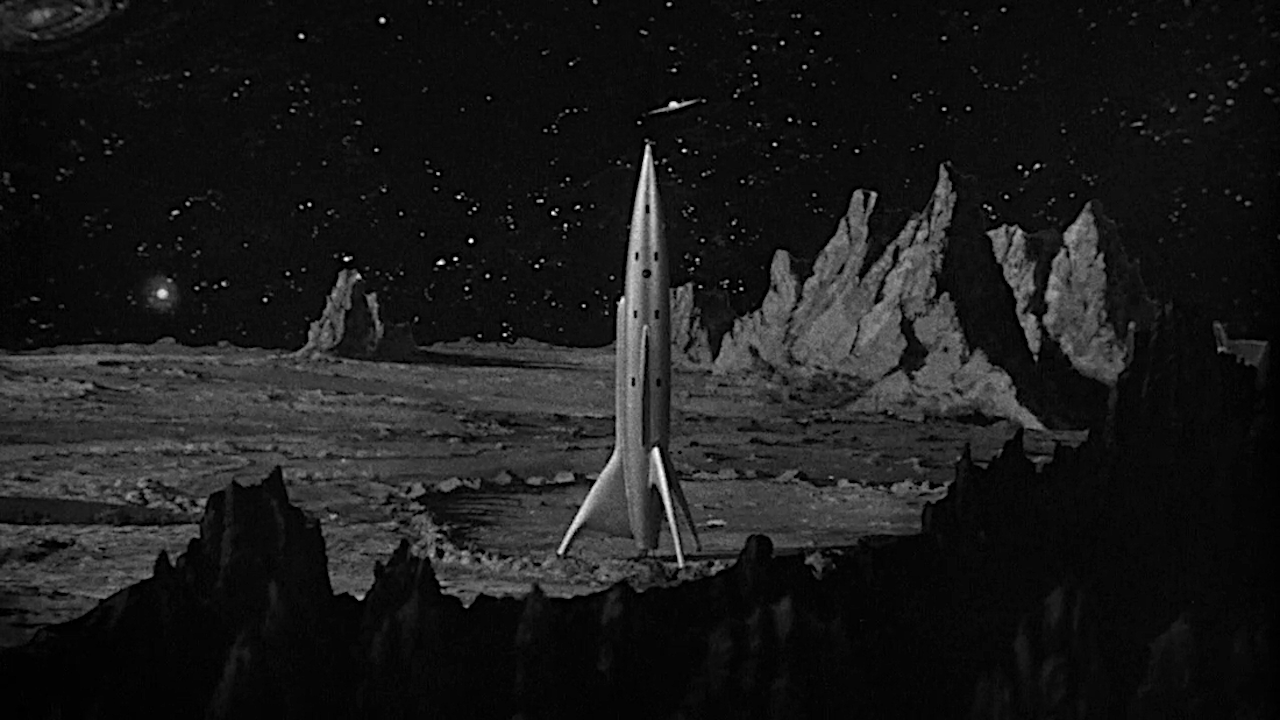
- Challenge 142 (1956): In the fictional timeline of 1973, this rescue vessel became the site of a high-consequence containment breach. Following a mission to Mars, the ship inadvertently transported a predatory reptilian organism into the confines of a human-occupied environment. This incident serves as the foundational case study for the "trapped-with-a-predator" scenario.
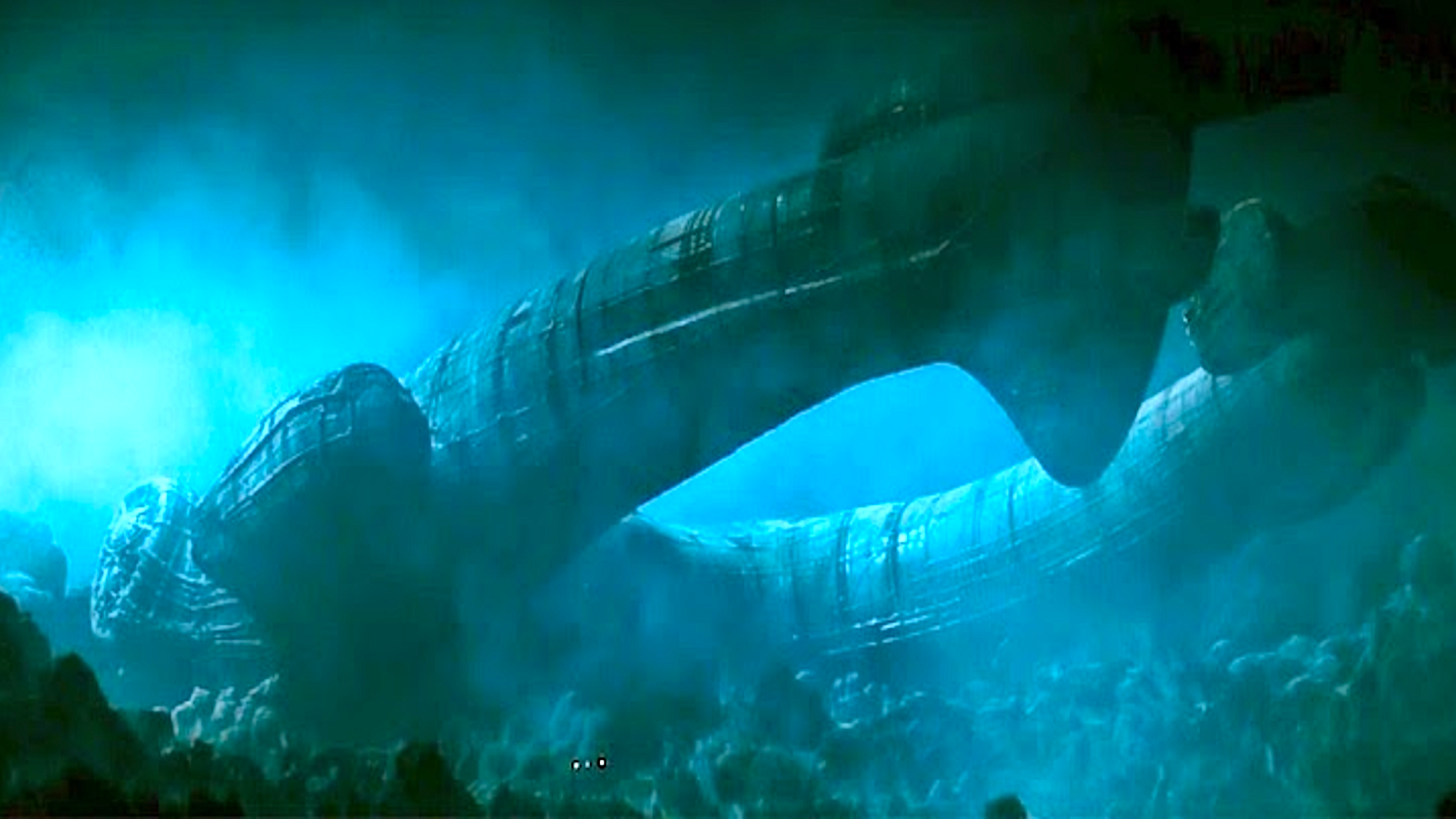
- The Derelict (1979): The discovery of an alien vessel on LV-426 by the crew of the USCSS Nostromo introduced the public to the dangers of xenobiological contamination. The ship’s architecture, characterized by biomechanical aesthetics, remains the primary reference point for advanced, non-human engineering.
- The Shenandoah (1985): A commercial prospecting vessel, the Shenandoah became the site of a mass casualty event on Titan. The discovery of a rival vessel’s crew, already deceased, serves as a grim warning regarding the competition for extraterrestrial archaeological assets.
- The Event Horizon (1997): Following its disappearance during a test of an experimental gravity drive, the vessel returned to Neptune’s orbit. Its recovery mission resulted in the total loss of the rescue ship Lewis and Clark. This case is categorized as a Class-A anomaly, involving the potential for reality-warping phenomena.
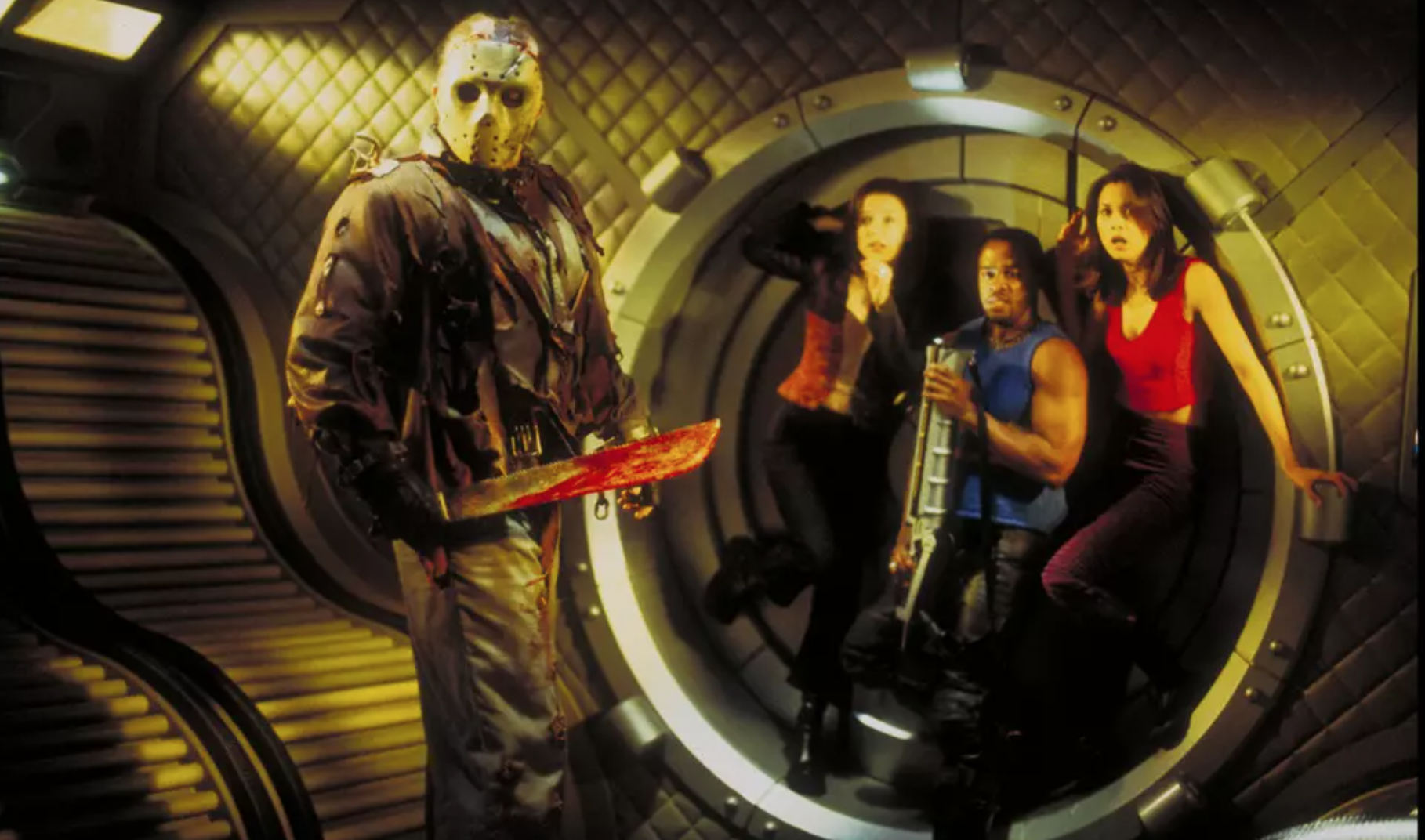
- The Grendel (2002): A 25th-century research vessel, the Grendel suffered from a significant security failure when it attempted to transport biological remains for research purposes. The resulting incident highlighted the dangers of reanimating dormant or cryogenically preserved threats in a contained pressurized environment.
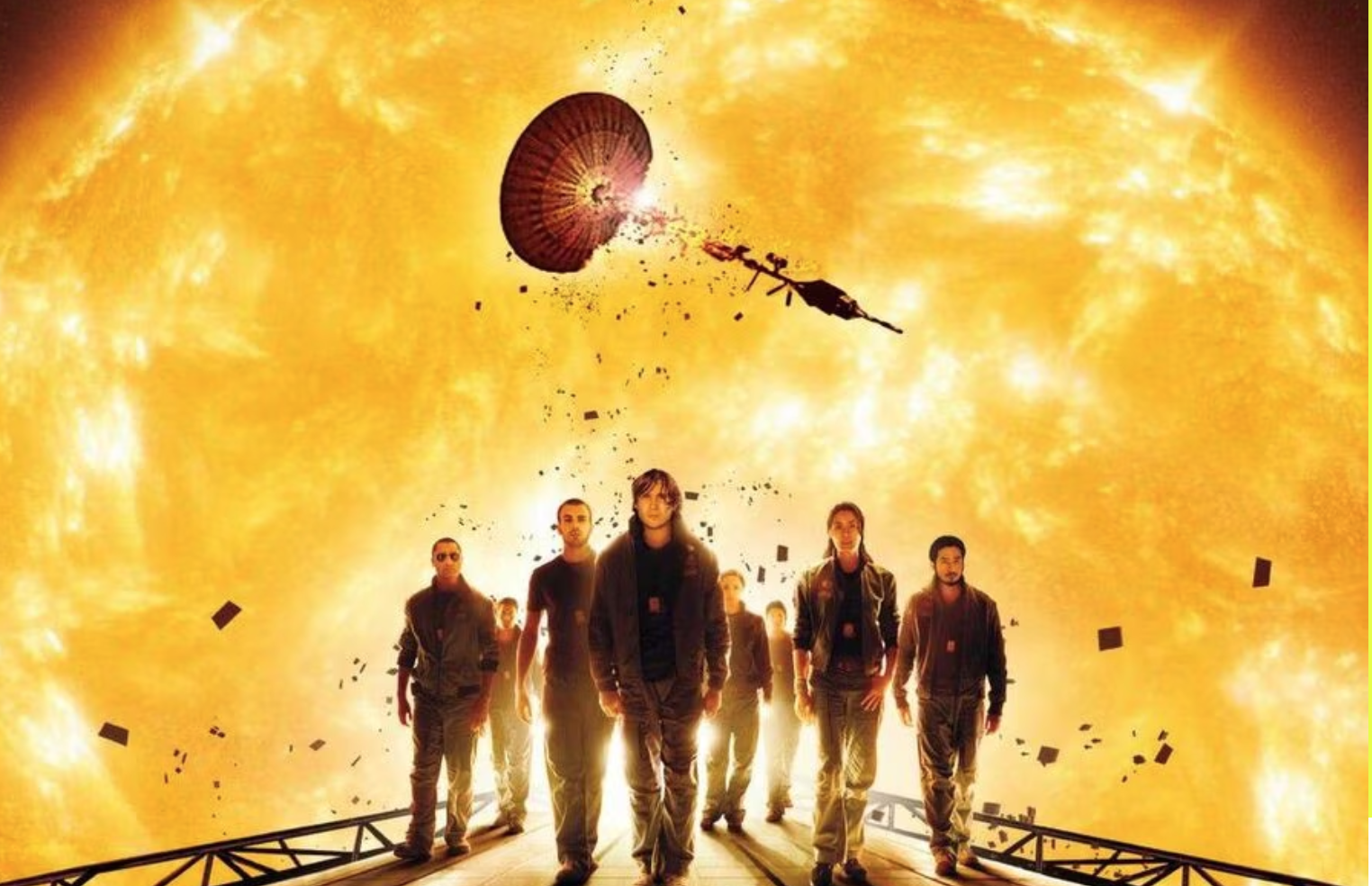
- Icarus 1 (2007): Part of a critical solar-stewardship initiative, the Icarus 1 was presumed lost until its discovery near the sun. The failure of this mission delayed efforts to stabilize the solar system’s star, emphasizing the high stakes of deep-space maintenance missions.
- USG Ishimura (2008): This "Planet Cracker"-class vessel represents the largest scale of catastrophe in recent history. The infestation of Necromorphs—reanimated biological tissue—led to the total cessation of the Concordance Extraction Corporation’s mining operations and necessitated a scorched-earth intervention.
- Rama (1973): Unlike the aggressive threats posed by other vessels, the cylindrical craft designated "Rama" presented an existential mystery. Its arrival in the solar system provided data on non-human architecture and automated ecological systems, yet the sheer scale of the vessel and its unknown origin resulted in severe psychological distress for initial contact teams.
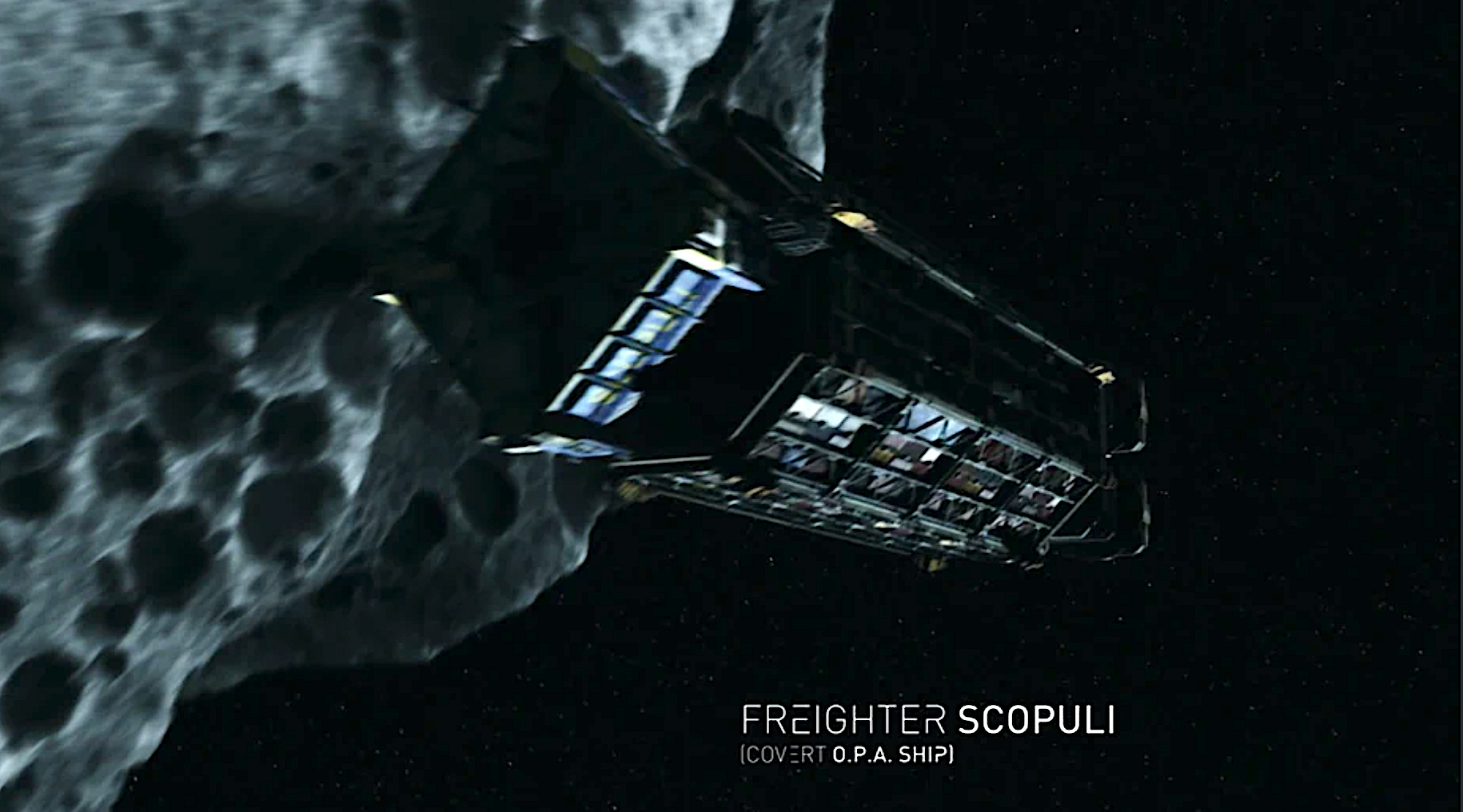
- The Scopuli (2011): This light freighter, hijacked by the Protogen corporation, served as the catalyst for a systemic political crisis. The presence of proto-molecular biological agents aboard underscored the risk of corporate entities weaponizing alien technology without adequate containment.
Data Analysis and Risk Assessment
A review of these nine vessels indicates that the primary cause of mission failure is the failure of the "Do Not Approach" protocols. In 78% of these cases, the responding crew was aware of the vessel’s status as "missing" or "dormant" but chose to proceed due to contractual obligations or scientific curiosity.
The economic implications are equally staggering. The total loss of the USG Ishimura, a ship of massive industrial value, represents the most significant financial collapse in the history of the Concordance Extraction Corporation. Similarly, the loss of the Icarus 1 had direct, tangible consequences for the stability of the inner planets. These incidents collectively suggest that the "salvage and recovery" business model is fundamentally incompatible with the realities of deep-space exploration.
Regulatory and Ethical Implications
The recurring nature of these incidents has prompted a debate regarding the ethics of deep-space salvage. Critics argue that corporate interests have repeatedly prioritized the acquisition of potentially dangerous technology over the lives of crew members. Statements from regulatory observers emphasize that current space-travel laws are insufficient to handle the complexities of alien contact or anomalous physics.
Furthermore, the "Event Horizon" incident, in particular, has led to a moratorium on experimental propulsion systems that rely on non-Euclidean spatial manipulation. The consensus among safety analysts is that until a standardized, high-level containment protocol is established for unidentified vessels, the risk of "catastrophic failure" will remain high.
Conclusion: A Legacy of Caution
The history of these nine ships serves as a stark reminder of the limits of human technology. Whether faced with the predatory efficiency of a biological organism or the inscrutable intent of a massive, automated structure, the outcome for the human boarding party is rarely favorable. As space travel continues to expand, the lesson provided by the USG Ishimura, the Event Horizon, and their counterparts is clear: the unknown is not merely a destination for discovery, but a potential graveyard for those who underestimate the inherent dangers of the vacuum.
For future crews, the advice remains consistent: when an abandoned vessel is detected in deep space, the most prudent course of action is to observe from a distance, report to high command, and maintain a safe, non-intercept trajectory. The graveyard of history is filled with those who ignored the beacons.