Mercedes-Benz Shifts Strategic Focus Away From Level 3 Autonomy To Prioritize Advanced Level 2 Systems And Future Level 4 Development

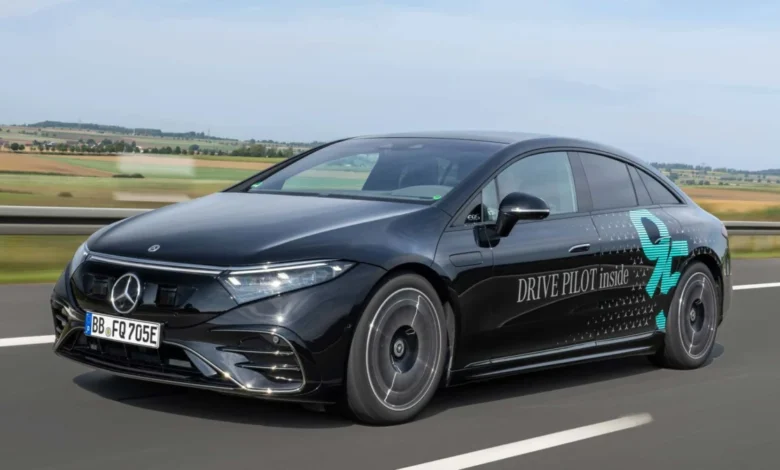
The automotive landscape is currently undergoing a radical transformation as major manufacturers grapple with the reality that being first to market with autonomous technology does not necessarily equate to long-term success. Mercedes-Benz, once considered a frontrunner in the race for Level 3 autonomy in the United States, has recalibrated its strategic roadmap. The company’s latest S-Class flagship, often the standard-bearer for its most cutting-edge innovations, has arrived in the American market without the previously touted Drive Pilot system. This decision marks a significant pivot, as the German automaker shifts its engineering resources toward enhancing sophisticated Level 2 driver-assistance technologies while simultaneously laying the groundwork for a future leap into Level 4 automation.
The Evolution of Drive Pilot and the Reality of Early Adoption
In 2023, Mercedes-Benz secured a historic victory in the tech-heavy luxury segment by becoming the first automaker to receive regulatory approval for Level 3 conditional automated driving in the United States. The system, branded as Drive Pilot, was introduced on the S-Class and the all-electric EQS. At the time, it was hailed as a revolutionary step forward, allowing drivers to legally take their eyes off the road under specific conditions.
However, the practical application of this technology proved far more restrictive than consumers anticipated. The system was limited to speeds of approximately 40 mph and was constrained by rigorous operational design domains, including specific highway types and favorable weather conditions. These limitations rendered the technology useful only in heavy, slow-moving traffic—a scenario that, while beneficial in urban congestion, failed to provide the utility most premium car buyers sought for long-distance highway travel.
Jörg Burzer, the Chief Technology Officer at Mercedes-Benz, recently addressed these challenges during a media roundtable, offering an candid assessment of the company’s trajectory. Burzer emphasized that the early pursuit of Level 3 autonomy served as a critical learning experience for the firm. By moving ahead of the market curve, Mercedes discovered a fundamental truth: the technology must align with the tangible needs of the consumer to achieve widespread adoption and brand satisfaction. "Sometimes if you are too early, then you see that you have to work on what the customer really wants," Burzer noted. The realization that technical capability does not automatically translate into market demand has prompted a shift toward a more pragmatic development cycle.
The Pivot to Advanced Level 2 Capabilities
With the recalibration of its autonomous strategy, Mercedes-Benz is now focusing heavily on what it calls MB.DRIVE Assist Pro. Unlike the previous, highly restricted Level 3 system, this advanced Level 2+ suite is designed to provide comprehensive, point-to-point support in a broader variety of driving environments.
The current S-Class platform serves as a testbed for this, utilizing a sophisticated network of up to 27 sensors, including cameras, ultrasonic sensors, radar, and LiDAR, to monitor the vehicle’s surroundings. This system is engineered to handle complex tasks such as autonomous lane changes, navigating intersections, executing turns, and responding to active traffic signals.
The logic behind this pivot is rooted in user experience. While Level 3 allows for a degree of detachment, it still requires the driver to be prepared to take over at any moment—often with very little notice. By focusing on Level 2 systems that act as a more capable "co-pilot," Mercedes aims to reduce driver fatigue and improve safety in daily scenarios rather than promising a level of automation that is only intermittently useful. This approach ensures that the driver remains an active participant in the driving process while benefiting from a significantly reduced cognitive load.
A Long-Term Vision for Level 4 Autonomy
Mercedes-Benz has made it clear that while it is stepping back from the immediate rollout of Level 3 systems in some markets, it has not abandoned the ultimate goal of full autonomy. However, the company is opting to bypass the incremental, often frustrating, development cycles of mid-tier autonomous levels to focus its long-term research and development efforts on Level 4.
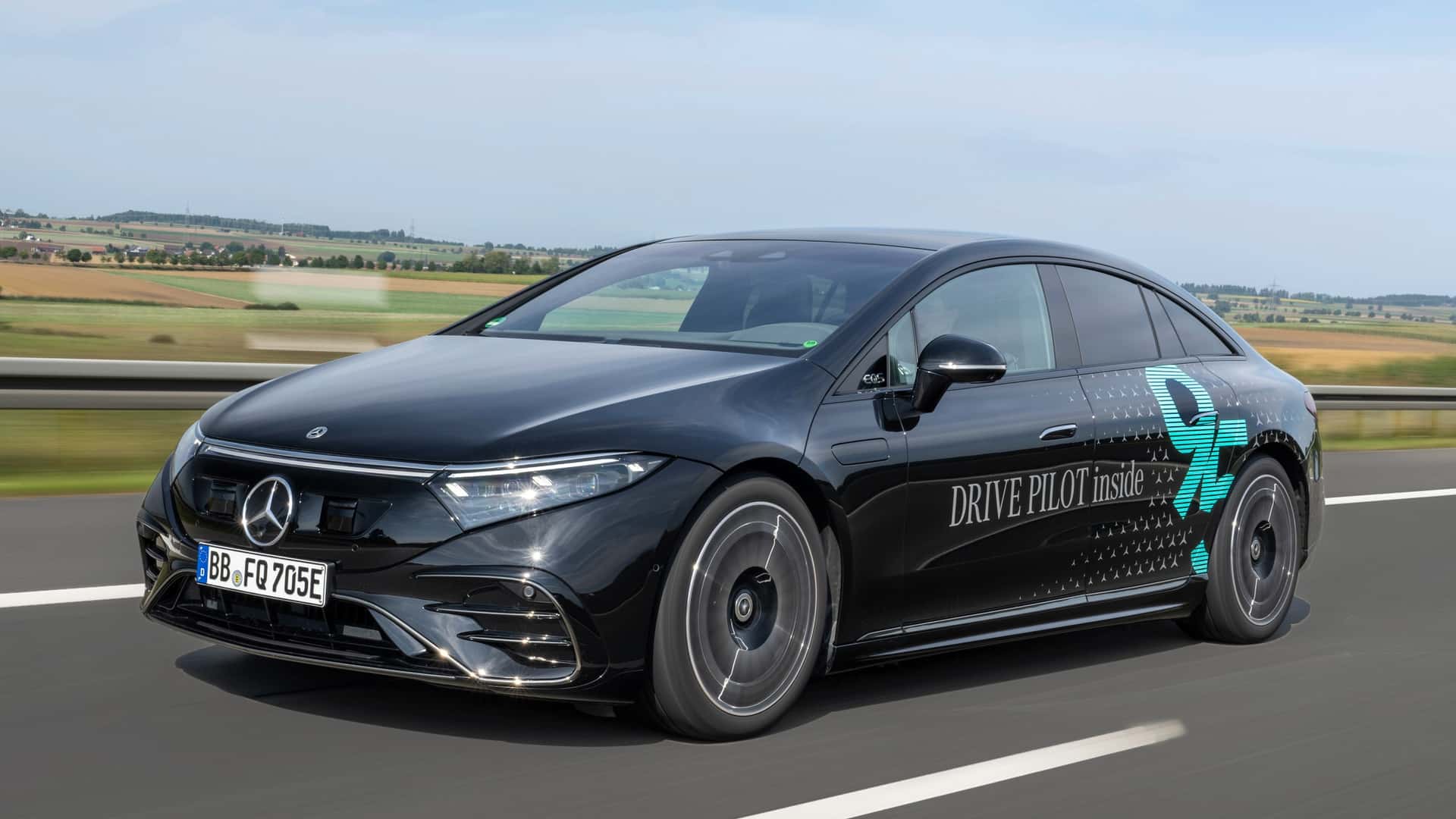
Level 4 autonomy, by definition, implies that the vehicle can handle all aspects of the driving task within a defined operating area without any human intervention required. This is a monumental shift from the "supervised" systems currently on the road. Burzer stated that the timeline for such technology is not a matter of the next few years, but rather a long-term project that the company expects to see in production vehicles only after 2030.
This move toward a 2030+ timeline suggests that Mercedes is prioritizing the refinement of artificial intelligence, sensor fusion, and safety validation protocols that will be necessary to ensure Level 4 systems can operate with a level of reliability that matches or exceeds human drivers in complex environments. The transition will likely be gradual, starting with specific use cases such as high-end ride-hailing or restricted-access urban shuttles before eventually migrating to consumer-facing luxury vehicles.
Industry Implications and the Competitive Landscape
The decision by Mercedes-Benz to move away from early-stage Level 3 implementation reflects a broader trend within the automotive industry. Other manufacturers have faced similar headwinds, finding that the regulatory, legal, and technical hurdles of Level 3—where the manufacturer assumes legal liability for the vehicle while the system is engaged—are immense.
The cost of developing these systems is also a factor. By doubling down on Level 2 technology, Mercedes is ensuring that it maintains a competitive edge in the luxury segment—where high-tech convenience features are a primary selling point—while conserving capital for the massive R&D costs associated with Level 4. This strategy allows the company to maintain its status as an industry leader in automotive safety and innovation without the reputational risks associated with deploying "beta" versions of autonomous technology to the general public.
From an economic perspective, the shift is sound. By focusing on systems that provide clear value to the end user—such as automated highway cruising and advanced parking features—the company can justify premium pricing for its assistance packages. Furthermore, by waiting for the regulatory environment to mature alongside the technology, Mercedes-Benz is positioning itself to be a long-term leader rather than a short-term pioneer.
Looking Toward the Future: The Road Ahead
As the automotive sector looks toward the end of the decade, the conversation around autonomy is becoming more nuanced. The industry is moving away from the "autonomous car in every driveway" narrative that dominated the mid-2010s, favoring a more tempered approach that balances ambition with reality.
Mercedes-Benz’s current strategy highlights the importance of adaptability. By listening to the feedback from its initial Drive Pilot deployment and acknowledging the limitations of current infrastructure and software, the company is demonstrating a commitment to quality over velocity. For the consumer, this means that while the dream of a fully self-driving car may be delayed, the quality of driver-assistance technology in the coming generation of Mercedes vehicles will likely see significant improvements in terms of stability, ease of use, and overall safety.
The coming years will be characterized by a "wait-and-see" approach for many competitors. As Mercedes continues to refine its sensor suites and AI-driven decision-making processes, it will likely set the benchmark for how premium manufacturers integrate technology into the driving experience. Whether the eventual shift to Level 4 will be as industry-defining as the brand’s past innovations in ABS or airbag technology remains to be seen, but the company’s trajectory is clear: they are playing the long game, prioritizing a seamless, reliable transition into the era of true autonomy.