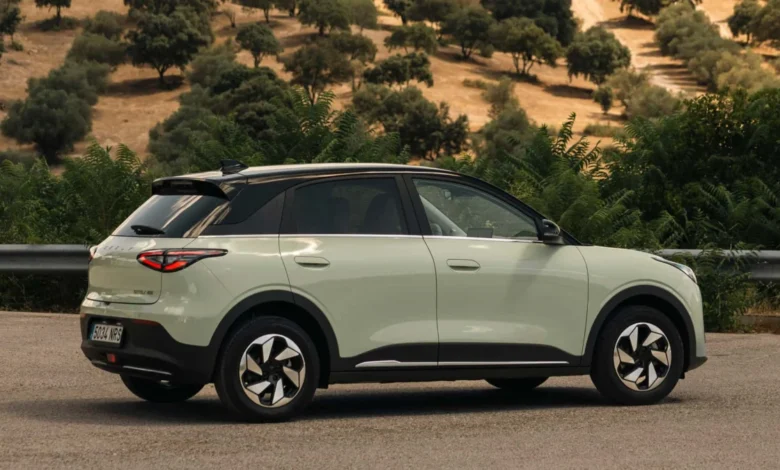
The global automotive landscape is currently undergoing a tectonic shift, characterized by the rapid ascent of Chinese-manufactured electric vehicles (EVs) in international markets. While brands originating from China have successfully captured significant market share across Europe and Southeast Asia, their presence in the United States remains virtually non-existent, curtailed by a combination of stringent tariffs and regulatory barriers. Now, a powerful coalition of legacy automakers is seeking to transform these temporary hurdles into a permanent legislative blockade. The Alliance for Automotive Innovation, a prominent lobbying group representing major manufacturers, has formally urged the United States Congress to enact legislation that would effectively cement a total, long-term prohibition on the importation and sale of Chinese-made automobiles within the American market.
The Regulatory Status Quo
At present, the barriers preventing Chinese automotive expansion into the US are substantial. Under existing trade policies, Chinese-manufactured electric vehicles are subject to a prohibitive 100 percent tariff, a measure designed to neutralize the price advantages gained through state subsidies and lower domestic manufacturing costs. Beyond fiscal barriers, the Department of Commerce and various national security agencies have imposed de facto bans citing concerns over "connected vehicle" technology. Modern vehicles are essentially rolling data centers, equipped with sophisticated sensors, cameras, and GPS tracking systems. Federal regulators have raised alarms that the integration of Chinese software and hardware could create vulnerabilities, potentially allowing foreign entities to harvest sensitive data on American infrastructure and consumer travel patterns.
Chronology of the Escalating Trade Friction
The tension surrounding Chinese automotive imports is not a sudden development but the result of a multi-year escalation in international trade policy.
- 2023: The European Union launched an anti-subsidy investigation into Chinese EVs, citing concerns that state-backed financing allowed Chinese manufacturers to undercut European prices unfairly.
- Early 2024: The United States government began formal inquiries into the security risks associated with connected vehicle technologies, specifically targeting software originating from "countries of concern," a list explicitly headed by China.
- Mid-2024: The US administration moved to increase tariffs on Chinese EVs to 100 percent, effectively closing the door on competitive pricing for imported Chinese models.
- Late 2026: The Alliance for Automotive Innovation intensified its lobbying efforts, shifting focus from temporary trade remedies to a permanent legislative ban, citing a "pattern of unfair behavior" and persistent national security risks.
The Alliance for Automotive Innovation: A Strategic Push
The Alliance for Automotive Innovation serves as the unified voice for a coalition of manufacturers, including industry giants like General Motors, Volkswagen, and Toyota. Led by CEO John Bozzella, the organization argues that the US must proactively defend its domestic automotive manufacturing base. Bozzella has pointed to the trajectory of the European market as a cautionary tale. Throughout 2026, European consumers have purchased over one million Chinese-manufactured vehicles, a surge that has disrupted established market hierarchies and pressured local manufacturers to accelerate their own EV development cycles.
For the Alliance, the goal is to prevent a repeat of the European scenario. The group asserts that allowing Chinese manufacturers a foothold in the US would not only threaten the profitability of legacy brands but also jeopardize the thousands of jobs tied to the American manufacturing ecosystem, from assembly plant workers to regional parts suppliers.
The Privacy and Data Security Dilemma
While the lobbying group emphasizes the necessity of protecting the nation from foreign data collection, the conversation regarding digital privacy is increasingly complex. Critics of the proposed ban point out that data privacy is not exclusively a "Chinese problem." The automotive industry at large has faced intense scrutiny regarding the collection of driver behavior data.
In recent months, General Motors reached a significant settlement with 36 states regarding the unauthorized sharing of driver data with insurance companies and data brokers. Similarly, manufacturers such as Tesla and Lucid have faced public outcry over the extent of the information their connected vehicles transmit to third-party advertisers and analytics firms. These precedents have led some market analysts to question whether the "national security" argument is being used as a shield to protect domestic market share rather than to address genuine privacy concerns. If the goal is to protect the consumer from data harvesting, skeptics argue, the solution should be comprehensive data privacy regulation that applies to all manufacturers, regardless of their country of origin.
Economic Implications and Competitive Pressures
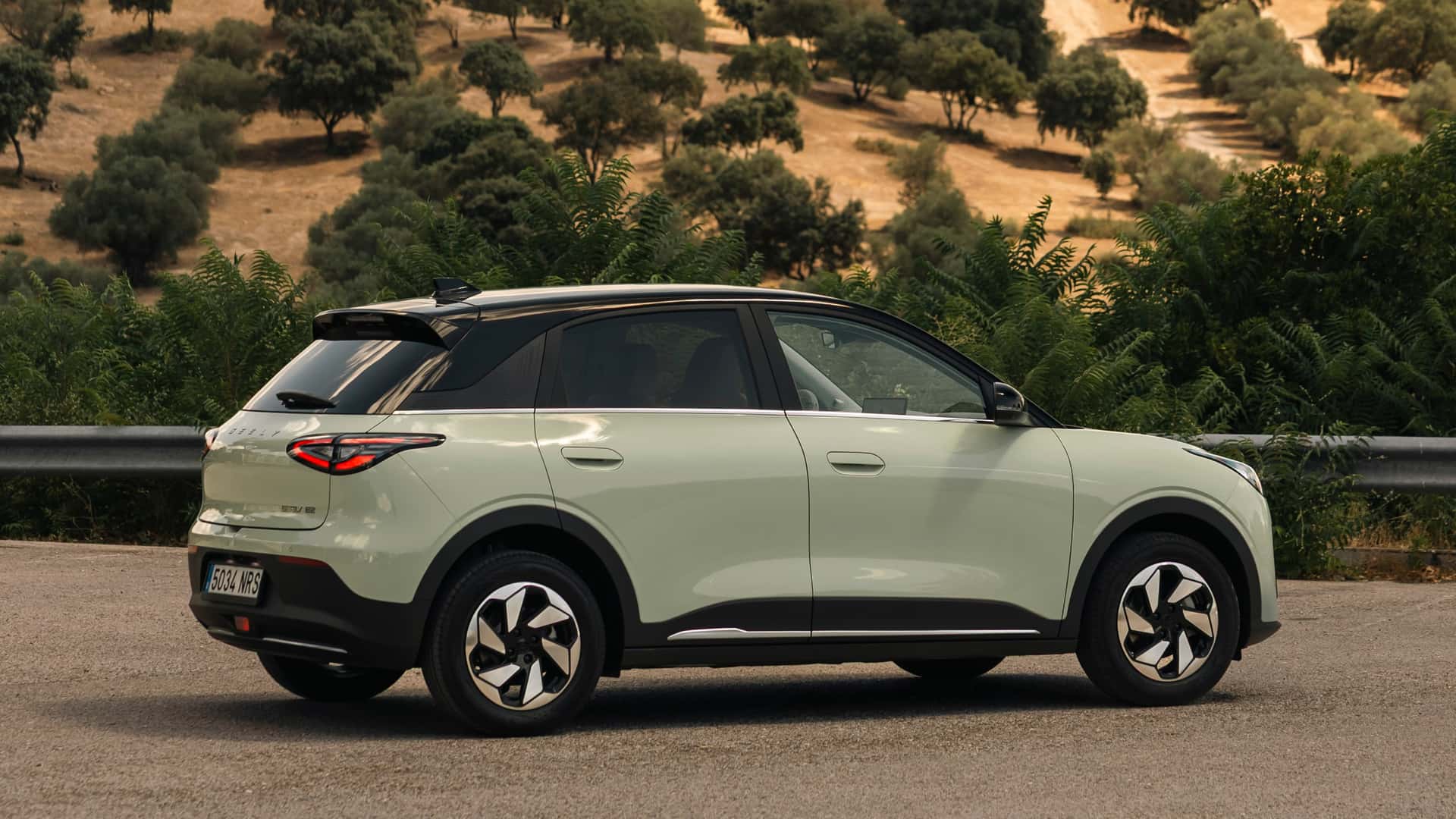
The potential entry of Chinese vehicles into the US market presents a dual-sided economic reality. On one hand, Chinese automakers, such as BYD and Nio, have demonstrated a remarkable ability to produce high-tech, high-quality EVs at significantly lower costs than their American counterparts. For the inflation-weary American consumer, the prospect of affordable, feature-rich electric transportation is a compelling proposition.
Conversely, the American automotive sector is the backbone of the domestic manufacturing economy. The transition to electric vehicle production is already a capital-intensive and risky endeavor for legacy automakers. If these companies were forced to compete with Chinese imports—which are often manufactured in economies of scale that the US cannot currently match—the resulting downward pressure on prices could lead to reduced profit margins, plant closures, and layoffs.
The Geopolitical Context
Beyond the boardroom, the proposed ban is deeply intertwined with the broader geopolitical struggle between Washington and Beijing. The auto industry is a strategic sector for both nations. For China, dominance in the EV market is a pillar of its "Made in China 2025" initiative, aiming to transition the nation from a manufacturing hub to a global leader in high-tech exports. For the United States, maintaining a robust, domestic-led automotive industry is viewed as a matter of industrial sovereignty.
As international trade tensions continue to simmer, the call for a permanent ban on Chinese vehicles reflects a growing consensus in Washington that economic policy and national security are now inseparable. However, the path forward remains fraught with diplomatic challenges. International trade agreements and the World Trade Organization (WTO) rules often discourage protectionist measures that specifically target a single nation, potentially exposing the US to retaliatory trade sanctions.
Future Outlook: Protectionism vs. Innovation
The coming months will be critical as Congress weighs the Alliance’s request. Lawmakers are tasked with balancing the need to protect the American automotive industry and its workforce against the potential drawbacks of isolationism. An overly restrictive stance could inadvertently stunt innovation, as domestic companies may face less pressure to improve efficiency and lower costs if they are shielded from global competition.
Furthermore, some industry experts argue that a total ban ignores the reality of modern global supply chains. Even "American" cars are often comprised of a global network of components, many of which are already sourced from China or Chinese-owned entities. Disentangling the automotive industry from Chinese influence may prove to be a logistical nightmare, if not an impossibility.
As the debate reaches the halls of Congress, the automotive industry finds itself at a crossroads. The Alliance for Automotive Innovation is betting that the combination of economic protectionism and security-based rhetoric will be enough to win over legislators. However, the outcome of this legislative push will likely set the tone for US-China trade relations for years to come. Whether the ultimate decision favors an open, competitive market or a restricted, protected one, the impact on the average American consumer, the domestic manufacturing sector, and the global electric vehicle transition will be profound. For now, the "permanent ban" remains a proposal—a testament to the intense anxiety currently defining the global automotive race.
Related posts: