Global health systems have faced an unprecedented crisis in the wake of the severe acute respiratory syndrome coronavirus 2 (SARS-CoV-2) outbreak, stretching institutional capabilities to their absolute limits. In response to the widespread collateral damage inflicted on non-COVID healthcare delivery, the World Health Organization (WHO) has released a comprehensive global assessment detailing the catastrophic disruptions experienced across international medical infrastructure. The newly published data, drawing from reports submitted by 105 nations between March and June 2020, underscores an urgent need for structural resilience, real-time data tracking, and dynamic policy adjustments. To combat these systemic vulnerabilities, the international public health body is preparing to deploy innovative digital resources and monitoring tools designed to safeguard essential medical services while simultaneously managing ongoing pandemic demands.
The fallout from the early months of the global health crisis exposed deep-seated structural flaws within domestic healthcare frameworks across the globe. According to the WHO’s landmark assessment, titled Rapid assessment of continuity of essential health services during the COVID-19 pandemic, approximately 90 percent of surveyed countries suffered varying degrees of disruption to their routine and emergency medical infrastructure. Low- and middle-income countries bore the heaviest burden, reporting severe bottlenecks that threatened decades of hard-fought public health gains. The diversion of medical personnel, severe supply chain fractures, and widespread community fear collectively created a toxic environment for healthcare utilization, resulting in a steep decline in patient volume for critical, non-coronavirus ailments.
Chronology of the Global Healthcare Disruption
The onset of the global health emergency in early 2020 triggered a cascade of emergency measures designed to flatten infection curves and prevent hospital intensive care units from collapsing under sudden surges of COVID-19 patients.
During January and February 2020, as the virus spread rapidly from its epicenter in Wuhan, China, global health agencies issued preliminary warnings regarding potential supply shortages and the necessity of personal protective equipment (PPE). International borders began closing, and global logistical networks suffered severe contractions, setting the stage for widespread medical supply chain failures.
By March 2020, the WHO officially characterized the outbreak as a global pandemic. In response, national governments instituted aggressive lockdown measures, travel restrictions, and sweeping stay-at-home orders. Concurrently, healthcare facilities across multiple continents were instructed to suspend elective procedures and non-urgent consultations to preserve capacity for anticipated waves of infected patients. This sudden pivot paralyzed routine diagnostic and preventative care pipelines.
From April to June 2020, the true extent of these sweeping lockdowns became quantifiable. Health ministries struggled to maintain basic vaccination campaigns, chronic disease management, and maternal health services. It was during this specific multi-month window that the WHO administered its pulse survey to senior health officials across 159 targeted nations, receiving 105 comprehensive responses that formed the empirical basis for the newly released findings.
Detailed Data Analysis: Where Health Systems Faltered
The quantitative data compiled by the WHO reveals that countries experienced disruptions in an average of 50 percent across a benchmarked set of 25 essential tracer services. The breadth of these interruptions indicates a systemic failure to maintain dual-track healthcare systems capable of managing both an acute pandemic and chronic baseline medical needs simultaneously.
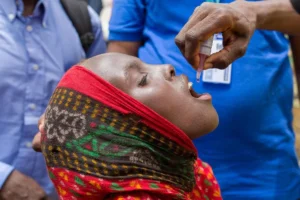
Preventative care services suffered immensely, with routine immunization programs registering widespread setbacks. Outreach immunization services were disrupted in 70 percent of reporting nations, while facility-based immunization routines were affected in 61 percent of countries. These interruptions raised immediate alarms among epidemiologists, who warned of potential resurgences in vaccine-preventable diseases such as measles and polio among vulnerable pediatric populations.
Non-communicable diseases (NCDs), which account for the vast majority of global mortality, experienced staggering neglect. Approximately 69 percent of countries reported disruptions in diagnosis and treatment protocols for conditions such as hypertension, diabetes, and cardiovascular diseases. Family planning and contraception services faced interruptions in 68 percent of nations, threatening reproductive health on a global scale. Mental health disorder treatments were compromised in 61 percent of reporting countries, a particularly troubling statistic given the psychological toll of isolation and economic instability associated with pandemic lockdowns.
Oncological care, which requires unyielding continuity to ensure patient survival, was severely impacted. Cancer diagnosis and treatment services were disrupted in 55 percent of reporting nations, with low-income countries reporting high-risk, life-threatening interruptions in chemotherapy and surgical interventions. Furthermore, infectious disease programs outside of COVID-19 were severely compromised: malaria diagnosis and treatment were disrupted in 46 percent of countries, tuberculosis case detection and treatment in 42 percent, and antiretroviral therapy for HIV-positive individuals in 32 percent of responding states.
Even life-saving emergency medical care—traditionally insulated from routine policy shifts—was not spared. Alarmingly, potentially life-saving emergency services were disrupted in nearly a quarter of all responding nations. Twenty-two percent of countries reported compromised 24-hour emergency room functionality, 23 percent suffered disruptions in urgent blood transfusion services, and 19 percent reported difficulties maintaining emergency surgical interventions.
Supply Versus Demand: The Dual Drivers of Collapse
The WHO analysis categorizes the primary drivers of healthcare disruption into distinct supply-side and demand-side factors, painting a complex picture of operational paralysis.
On the demand side, 76 percent of countries observed a direct reduction in outpatient care attendance. This decline was driven by a combination of government-mandated lockdowns, public fear of contracting the coronavirus within clinical environments, and mounting financial difficulties among populations facing sudden unemployment or income contraction. Patients suffering from early-stage symptoms of serious illnesses routinely delayed seeking professional medical advice, resulting in late-stage presentations once emergency thresholds were crossed.
On the supply side, the most frequently cited barrier was the deliberate cancellation of elective and routine services, reported by 66 percent of nations. This was closely followed by the redeployment of skilled healthcare personnel from specialized departments to COVID-19 relief zones, the physical closure of clinics and hospitals due to localized outbreaks or structural transformations, and severe interruptions in the global supply chain for vital medical equipment, diagnostics, and therapeutics.
Official Responses and Strategic Adaptations
Faced with mounting evidence of secondary health crises, international health authorities and national ministries began exploring mitigation strategies. Many governments instituted triage protocols to prioritize urgent cases, accelerated the adoption of telemedicine and online patient consultations, modified prescription refill practices to reduce clinic visits, and initiated targeted public health communication campaigns to reassure the public regarding clinical safety.
However, the implementation of financial safeguards remained dismally low. Only 14 percent of countries reported the removal of user fees or out-of-pocket costs for patients seeking essential care during the crisis. The WHO has repeatedly emphasized that financial barriers during a public health emergency exacerbate inequalities and deter vulnerable populations from accessing vital diagnostic and treatment services.
Dr. Tedros Adhanom Ghebreyesus, WHO Director-General, addressed the findings by pointing to the fundamental structural imbalances exposed by the global health crisis. "The survey shines a light on the cracks in our health systems, but it also serves to inform new strategies to improve healthcare provision during the pandemic and beyond," Dr. Tedros stated. He further stressed that responding to a public health emergency should not come at the expense of lifelong health maintenance. "COVID-19 should be a lesson to all countries that health is not an ‘either-or’ equation. We must better prepare for emergencies but also keep investing in health systems that fully respond to people’s needs throughout the life course."
Broader Implications and Future Outlook
The implications of the WHO pulse survey extend far beyond the immediate horizon of the coronavirus pandemic. The findings demonstrate that even historically robust, well-funded national health systems can be rapidly overwhelmed and severely compromised when confronted with a novel, high-consequence pathogen. The downstream effects of missed cancer diagnoses, untreated hypertension, unmanaged mental health conditions, and interrupted vaccination schedules are projected to reverberate for years, potentially resulting in excess morbidity and mortality that rivals the direct toll of the virus itself.
To counter these long-term threats, the international community must pivot away from reactive crisis management toward sustained, institutional preparedness. Real-time data collection and dynamic monitoring are paramount. Because viral transmission patterns and containment measures are expected to fluctuate cyclically over the coming months and years, health ministries must possess the analytical tools necessary to track service utilization and adapt mitigation strategies instantaneously.
In alignment with these critical needs, the World Health Organization is actively developing targeted interventions to assist member states. A cornerstone of this upcoming initiative is the creation of the COVID-19: Health Services Learning Hub. This specialized, web-based platform will serve as a global clearinghouse, enabling countries to share operational experiences, learn from innovative local practices, and integrate successful mitigation models into their domestic response frameworks.
Additionally, the WHO is designing localized, sub-national surveys and facility-level assessments to gauge the granular, long-term impact of service disruptions. These tools are intended to assist health policymakers in conducting rigorous cost-benefit analyses when weighing the implementation of various public health restrictions against the maintenance of essential clinical care.
As the global community continues to navigate the complexities of pandemic management, the overarching message from international health experts remains clear: future public health security relies not on the isolation of emergency response mechanisms, but on the comprehensive strengthening of primary health care networks. Only through sustained financial investment, structural flexibility, and continuous data-driven oversight can nations hope to protect their populations from the dual threats of acute infectious outbreaks and unmitigated chronic disease.