Flock Cameras Can Still Record License Plates Using Infrared, Your Trash Bags And Canceled Contracts Be Damned

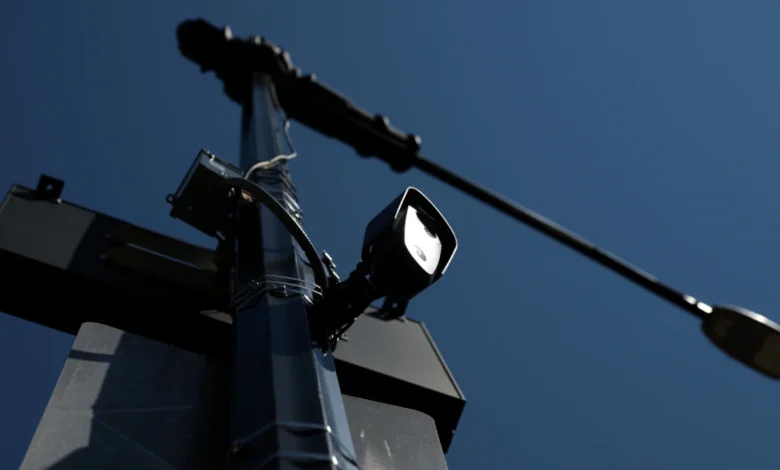
The recent situation in Excelsior Springs, Missouri, has highlighted a significant technological oversight in the lifecycle management of surveillance equipment. After the local city council voted unanimously in October to terminate its contract with Flock Safety, the municipality took immediate steps to disable the surveillance network by covering the devices with standard black trash bags. However, the Excelsior Springs Police Department (ESPD) soon discovered that the physical obstruction was insufficient to stop the cameras from functioning. The incident has since sparked a broader discussion regarding the persistence of automated license plate reader (ALPR) technology and the complexities involved in the decommissioning of smart city infrastructure.
The Chronology of the Disconnect
The tension between the Excelsior Springs community and the deployment of Flock Safety’s surveillance network did not arise overnight. For months, residents expressed growing concerns regarding the privacy implications of pervasive, automated vehicle tracking. These concerns culminated in a series of public forums, including an informative session held in early October, where law enforcement officials attempted to explain the utility of the ALPR technology. Despite these efforts to foster transparency, the consensus among the public remained steadfastly opposed to the continued presence of the camera network.
Following these community discussions, the city council took formal action in mid-October, voting unanimously to cancel the contract with Flock Safety. The decision necessitated the removal of 15 cameras installed throughout the town. In the interim period between the vote and the physical removal of the hardware, city officials opted to render the cameras inoperable by shielding their lenses with black plastic garbage bags.
By November 5, the ESPD realized the failure of this makeshift solution. Through a public disclosure on the department’s Facebook page, Lieutenant Ryan Dowdy revealed that the infrared sensors embedded in the cameras were effectively "seeing through" the plastic bags. Even in complete darkness, the equipment continued to capture imagery of passing vehicles, specifically recording headlights, taillights, and, in some instances, identifiable license plate characters.
The Technical Capabilities of Infrared ALPR
The issue stems from the fundamental engineering of modern ALPR systems. Flock Safety, like many providers in the public safety sector, utilizes infrared (IR) illumination to ensure high-quality, high-contrast images regardless of ambient light conditions. Infrared light exists on a spectrum that is invisible to the human eye but highly detectable by digital sensors.
Many common materials that appear opaque to human vision—including certain types of thin plastic or fabric—are actually transparent to infrared light. This "see-through" capability is a feature, not a bug, in the context of night-vision surveillance. It allows the cameras to maintain the "nighttime performance that doesn’t quit" that the company advertises. However, this functionality creates a significant liability when a client expects the device to be dormant.
When the ESPD analyzed the data captured while the cameras were "covered," they found that the infrared sensors successfully bypassed the black plastic barrier. The resulting images were, as described by the department, semi-hazy, yet sufficient to identify specific vehicles. The revelation has forced the city to implement a "double-bagging" protocol as a temporary stopgap until the equipment is physically retrieved by the vendor at the end of November.
Regulatory and Data Governance Implications
The situation in Excelsior Springs raises critical questions regarding data governance and the "off-switch" functionality of municipal surveillance tools. When a contract is terminated, the expectation is that the data collection ceases immediately. However, this incident demonstrates that there is a technical gap between the cessation of a subscription and the physical removal of hardware.

A central point of concern for residents is who retains access to the data collected during this "zombie" phase of operation. While the ESPD confirmed they do not have access to the imagery being captured by the now-unauthorized cameras, the data remains within the ecosystem of the vendor. If the camera system remains networked, there is a risk that other law enforcement agencies—those who maintain active contracts with the provider—could potentially access data streams or historical logs originating from these units.
This scenario highlights a broader trend: as cities increasingly rely on "Software-as-a-Service" (SaaS) models for public safety, they lose a degree of physical control over the hardware. Unlike legacy CCTV systems that were hardwired into local servers, modern cameras are often independent, internet-connected endpoints. If the software configuration does not align with the physical state of the device, the hardware can continue to function as a data-collection node regardless of the administrative status of the contract.
Broader Impact on Smart City Surveillance
The Excelsior Springs incident serves as a cautionary tale for municipalities across the United States. As of late 2024, a growing number of cities are reassessing their reliance on third-party surveillance networks, driven by debates over the Fourth Amendment, data privacy, and the efficacy of mass surveillance in reducing crime rates.
Industry analysts note that the legal and ethical framework governing the removal of surveillance hardware is currently underdeveloped. Most municipal contracts focus on installation, maintenance, and data retention, but few stipulate rigorous "decommissioning" procedures that guarantee total privacy upon termination. The fact that a simple, common-sense measure like using a trash bag failed to stop the cameras underscores the need for clear, contractually obligated procedures for disabling hardware remotely.
For cities considering the removal of such systems, the lesson is clear: relying on manual, ad-hoc methods of disabling sophisticated sensors is insufficient. Experts suggest that future contracts should include clauses that mandate immediate remote disabling of the device’s uplink and sensor array the moment a contract is terminated, or require the vendor to provide tamper-proof, light-blocking covers specifically designed for the hardware.
Looking Forward: A Call for Transparency
Lieutenant Dowdy’s decision to be transparent with the residents of Excelsior Springs regarding the "double-bagging" failure has been praised by privacy advocates as a necessary step in restoring public trust. By publicly acknowledging that the cameras were still capturing images, the department avoided the potential fallout of a discovery made by a third party.
"We’re not trying to hide anything," Lt. Dowdy stated during the follow-up, emphasizing that the department had not even reviewed the footage until they realized the cameras were still active. This level of candor is increasingly necessary as citizens become more sensitive to the presence of surveillance. The incident has effectively shifted the conversation in the town from whether the cameras are needed to how the city can ensure the complete, verified removal of digital surveillance infrastructure.
As the city approaches the end of the month, the focus remains on the physical removal of the 15 units. The event will likely influence how other jurisdictions draft their surveillance contracts, moving toward more stringent requirements for the total "blackout" of devices once a service agreement ends. Ultimately, the Excelsior Springs case proves that in the age of infrared-enabled smart surveillance, "turning off" a camera is not as simple as obscuring it from view—it requires a comprehensive, verifiable technical process that matches the sophistication of the hardware being retired.