Polestar Officially Exits United States Market Following Decision to Not Appeal Federal Connected Vehicle Software Ban

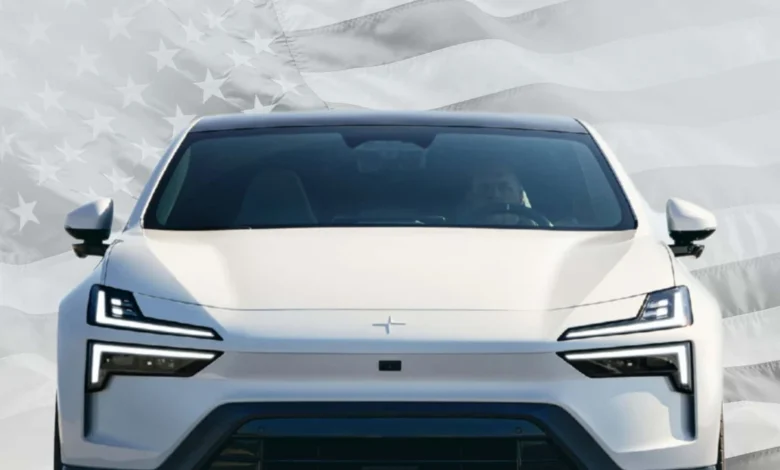
The landscape of the American electric vehicle market underwent a seismic shift this week as Polestar, the premium Swedish electric performance brand, confirmed it will cease operations in the United States. This decision follows a pivotal ruling by the U.S. Department of Commerce regarding the use of Chinese-developed software and hardware in internet-connected vehicles. Rather than engaging in a protracted legal battle or appealing the government’s mandate, Polestar has opted to retreat from one of the world’s largest automotive markets, citing a strategic pivot toward regions where it maintains a more secure brand footing and a clearer path to profitability, specifically Europe.
The exit marks a definitive end to Polestar’s ambitions in North America, a move that has sent shockwaves through the automotive industry and left its domestic dealer network in a state of uncertainty. According to official statements from the company, the decision was reached after extensive dialogue with U.S. officials. Polestar concluded that the likelihood of overturning the Commerce Department’s security-based restrictions was negligible. Consequently, the automaker will refocus its capital and resources on international markets that do not face similar geopolitical hurdles.
The Regulatory Catalyst: Security Rules and Connected Vehicles
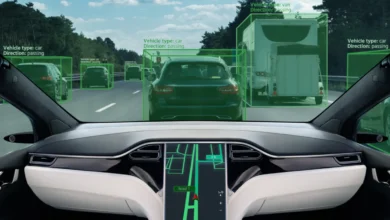
The primary driver behind Polestar’s departure is a new set of regulations proposed by the U.S. Department of Commerce aimed at protecting national security. These rules target "connected vehicles"—cars equipped with software and hardware that allow for internet connectivity, GPS tracking, and advanced driver-assistance systems (ADAS). The federal government argues that such technologies, when developed or controlled by foreign adversaries, pose a significant risk of data espionage and remote vehicle manipulation.
Under the current framework, the ban on Chinese-sourced software is set to take effect starting with the 2027 model year. The restrictions on hardware are scheduled to follow shortly thereafter. For Polestar, which is majority-owned by China’s Zhejiang Geely Holding Group, these regulations presented an insurmountable barrier. While the vehicles themselves might be assembled in various locations, the underlying software architecture is deeply integrated with Geely’s technological ecosystem in China.
U.S. officials have expressed specific concerns regarding the potential for sensitive data—including driver locations, cabin conversations, and infrastructure imagery—to be harvested by foreign entities. By denying Polestar a special authorization to continue sales, the Commerce Department has effectively signaled that the brand’s ownership structure and technical dependencies are incompatible with the current American security posture.
A Tale of Two Brands: The Polestar and Volvo Divergence
One of the most complex aspects of this development is the contrasting treatment of Polestar and its sister brand, Volvo. Both companies are majority-owned by Geely, and they share significant amounts of engineering, platforms, and even production facilities. However, Volvo successfully secured the necessary approvals from the Department of Commerce to continue its U.S. operations.
Volvo was able to demonstrate to federal regulators that it maintains sufficient autonomy over its data management and cybersecurity protocols. By providing transparency into how vehicle data is processed and ensuring that American consumer information remains isolated from Chinese influence, Volvo managed to navigate the regulatory minefield.
In contrast, Polestar was unable to meet these same criteria to the satisfaction of the Commerce Department. While the government has not publicly detailed the specific differences in the two companies’ data handling processes, analysts suggest that Polestar’s smaller corporate footprint and deeper reliance on Geely’s shared software platforms may have made it more difficult to decouple its operations from its Chinese parent company. This divergence highlights the granular and often opaque nature of modern trade and security regulations.
Chronology of Polestar’s American Presence
To understand the weight of this exit, one must look at the timeline of Polestar’s brief but ambitious tenure in the United States:
- 2017: Polestar is rebranded from a Volvo performance division to a standalone electric vehicle manufacturer under the joint ownership of Volvo Cars and Geely.
- 2019: The Polestar 2, a fully electric fastback, is launched to compete directly with the Tesla Model 3. It gains significant praise for its design and build quality.
- 2021: Polestar announces plans for a massive retail expansion in the U.S., opening "Polestar Spaces" in major metropolitan areas and adopting a direct-to-consumer sales model supported by franchised dealers.
- 2022: The company goes public on the Nasdaq via a SPAC merger, signaling its intent to become a major global player.
- 2023: The U.S. government begins intensifying its scrutiny of Chinese-connected technologies. Meanwhile, Polestar 2 sales face pressure from new federal tax credit requirements that favor domestic production.
- Early 2024: Polestar begins production of the Polestar 3 SUV at Volvo’s Ridgeville, South Carolina, plant. This move was intended to bypass tariffs and qualify for federal incentives.
- Late 2024: The Department of Commerce announces the finalized rules for connected vehicle software. Polestar enters negotiations for an exemption but is ultimately denied.
- Present: Polestar officially confirms it will not appeal the ban and will wind down U.S. sales.
The Production Paradox: Domestic Assembly vs. Foreign Software
The irony of Polestar’s forced exit lies in its recent efforts to "Americanize" its production. In an attempt to mitigate the impact of the 100% tariffs placed on Chinese-built EVs earlier this year, Polestar moved production of the Polestar 3 to South Carolina. The vehicle is built on the same assembly line as the Volvo EX90, a car that remains legal for sale in the U.S.
Furthermore, the brand’s latest offering, the Polestar 4, is manufactured in Busan, South Korea, through a partnership with Renault Korea. By diversifying its manufacturing base, Polestar had seemingly solved its tariff problems. However, the software ban proved to be a far more rigid obstacle than import duties. This situation underscores a new reality in the automotive industry: where a car is built is becoming less important to regulators than where its "digital brain" was designed.
Immediate Market Impact: Fire Sales and Resale Volatility
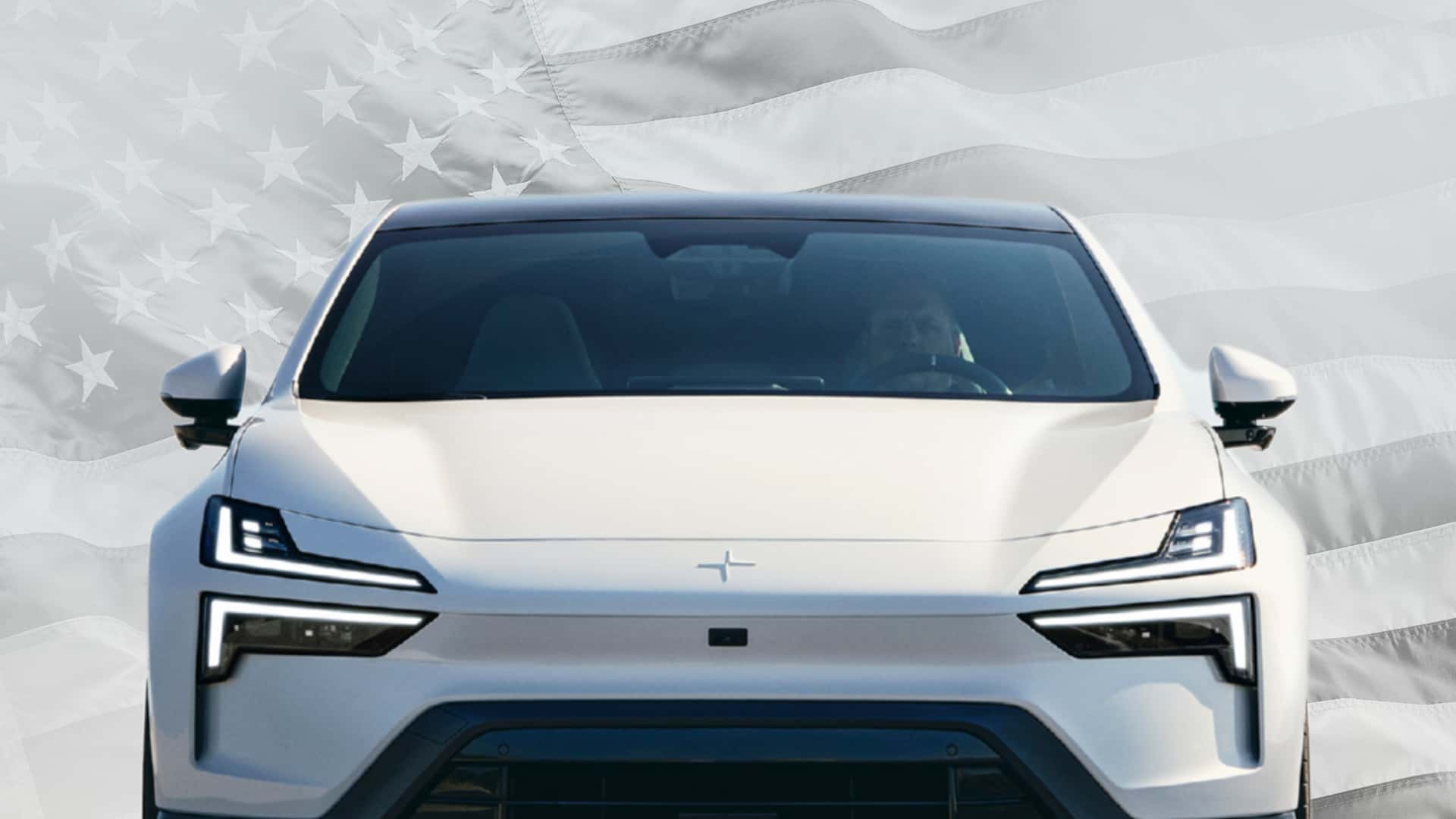
The news of Polestar’s departure has had an immediate and cooling effect on the brand’s presence in the U.S. To clear out remaining inventory, Polestar has authorized massive discounts. Reports indicate that some Polestar 4 models are being offered with incentives as high as $25,000, while the Polestar 2 and Polestar 3 are seeing similar price slashes.
While these discounts may attract bargain hunters, they present a significant problem for existing owners. The resale value of Polestar vehicles is expected to plummet as the brand becomes an "orphan" in the American market. Prospective buyers and current owners alike are concerned about long-term service, parts availability, and software updates. Although Polestar has stated it will fulfill its obligations to existing customers, the logistics of maintaining a service network without new vehicle sales are notoriously difficult.
U.S. dealers, many of whom invested millions of dollars to build dedicated "Polestar Spaces," are now facing significant losses. These partners were sold on a vision of a high-growth EV brand that would rival Porsche and Tesla. Now, they are left with expensive real estate and dwindling inventory of a brand that has no future in the country.
Strategic Shift: Focus on the European Stronghold
With the U.S. market now closed, Polestar is doubling down on Europe. The European market has historically been more receptive to the brand, and the regulatory environment—while increasingly wary of Chinese subsidies—has not yet implemented a blanket ban on software in the same manner as the United States.
"We will instead focus our investments on markets where we have a strong brand position and ability to achieve profitable growth, with a strong weighting towards Europe," stated Michael Ofiara, a spokesman for Polestar.
The company believes that by consolidating its resources, it can achieve profitability faster. Europe’s robust EV infrastructure and the brand’s established presence in countries like Norway, Sweden, Germany, and the Netherlands provide a more stable foundation. However, the loss of the U.S. market is a significant blow to Polestar’s global volume targets, forcing a total recalibration of its long-term financial outlook.
Broader Implications for the Automotive Industry
Polestar’s exit serves as a cautionary tale for any international automaker with deep ties to Chinese technology. It signals that the U.S. government is willing to prioritize national security over market competition and the transition to green energy.
The move also raises questions about the future of other brands. While Volvo secured an exemption, other manufacturers who utilize Chinese-developed infotainment systems or autonomous driving stacks may find themselves in the crosshairs of the Department of Commerce. This could lead to a "digital decoupling" of the global auto industry, where vehicles sold in the West require entirely different software architectures than those sold in Asia.
Furthermore, the Polestar case highlights the limitations of domestic manufacturing as a shield against trade hostilities. Even with a factory in South Carolina and a supply chain stretching to South Korea, the "connected" nature of modern cars creates a vulnerability that physical assembly cannot fix.
Conclusion: An Abrupt End to a Promising Chapter
Polestar’s withdrawal from the United States is a landmark event in the era of the "software-defined vehicle." It represents the first major casualty of the escalating technological cold war between Washington and Beijing in the automotive sector. For a brand that was once seen as a leading light in the EV revolution, the exit is a somber conclusion to its American journey.
As Polestar shifts its gaze toward Europe and Asia, the U.S. market is left with one fewer competitor in the luxury EV space. For consumers, the departure means less choice and a stark reminder of how quickly geopolitical shifts can render a high-tech purchase obsolete. For the industry at large, the message is clear: in the modern age, the code running the car is just as important—and just as political—as the engine under the hood.