The world of motorcycling is defined not only by the machines themselves but by a specialized lexicon that has evolved over more than a century of road riding and competitive racing. For the uninitiated, this jargon can be as intimidating as the physics of a high-speed corner, yet understanding these terms is essential for rider safety, mechanical maintenance, and effective communication within the global motorcycle community. Whether navigating the complexities of advanced riding techniques or interpreting the nuances of regional slang, a grasp of these thirteen fundamental terms provides a necessary framework for any motorcyclist.
The Physics of Handling: Countersteering and Geometry
At the core of motorcycle operation lies countersteering, a technique that often proves counterintuitive to new riders. While turning a bicycle at low speeds involves turning the handlebars in the direction of the desired path, motorcycles at speed require a different approach. By pushing forward on the right handlebar, a rider initiates a right-leaning trajectory, effectively forcing the bike to lean into the turn. This process relies on gyroscopic forces and the contact patch of the tires; once the bike is leaned, it tracks through the corner. Riding instructors emphasize that this is not merely a suggestion but the primary physical mechanism for steering a motorcycle above approximately 10 to 15 mph.
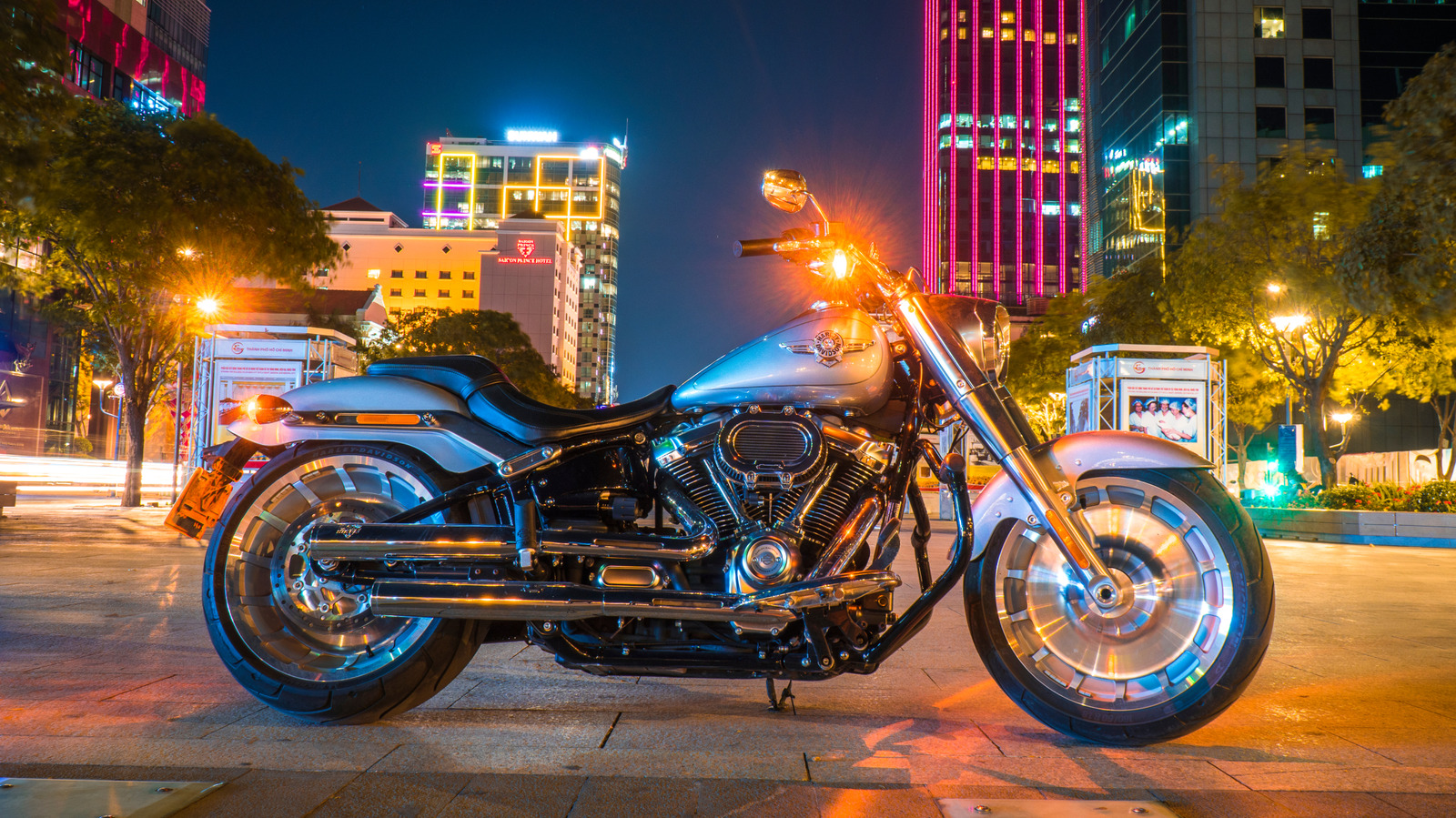
Supporting this physical action is the geometry of the bike, specifically rake and trail. Rake refers to the angle of the steering head—the tilt of the forks relative to a vertical line—while trail is the horizontal distance between the contact point of the front tire and the point where the steering axis meets the ground. A "steep" rake (closer to vertical) and shorter trail result in a bike that turns quickly and feels agile, a hallmark of sportbikes. Conversely, a "relaxed" rake and longer trail, common on cruisers, provide superior straight-line stability at the cost of steering precision. Understanding these measurements allows riders to anticipate how a motorcycle will behave on varying road surfaces and at different speeds.
Safety and Control: The Risks of Target Fixation and Stability Issues
Riding dynamics can quickly become precarious if a rider falls victim to target fixation. This phenomenon occurs when a rider’s gaze remains locked on an object—such as a patch of gravel, a pothole, or an encroaching vehicle—causing them to subconsciously steer the motorcycle toward that hazard. Safety experts and organizations like the Motorcycle Safety Foundation (MSF) consistently advise riders to "look where you want to go," a mantra designed to override this instinctual visual lock.
When the bike’s stability is compromised, the situation can escalate into a "tank slapper." Known formally as a high-speed oscillation or "speed wobble," this event involves a rapid, violent back-and-forth movement of the handlebars. It is often triggered by the front wheel landing out of alignment after a wheelie or hitting an irregularity in the pavement. Modern high-performance motorcycles are frequently equipped with steering dampers—mechanical or electronic devices that resist rapid steering inputs—to mitigate these oscillations. When a tank slapper occurs, the conventional wisdom is to keep a light grip on the bars and allow the bike to settle, as rigid interference from the rider can often exacerbate the instability.
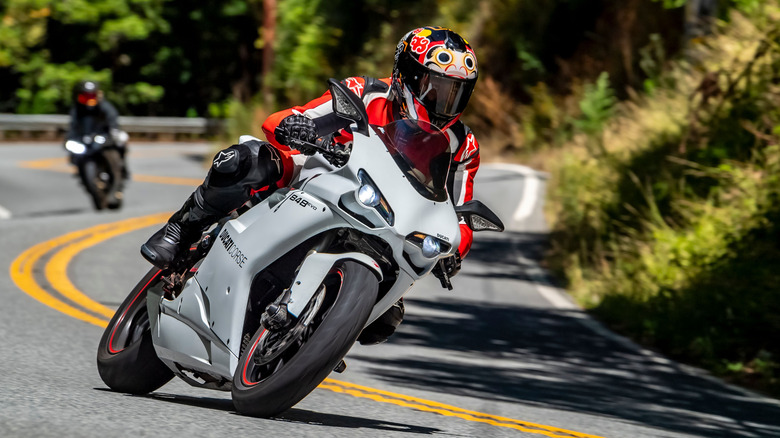
Advanced Riding Techniques: Trail Braking and Rev Matching
As riders progress, they often incorporate trail braking into their cornering repertoire. This technique involves maintaining a diminishing amount of brake pressure as the rider enters a corner, gradually releasing the lever as the motorcycle’s lean angle increases. By doing so, the rider keeps weight on the front tire, which maximizes grip and allows for tighter control of the motorcycle’s line through the bend. While effective, it requires precise throttle and brake management to avoid overwhelming the front tire’s traction limits.
Complementing this is the practice of rev matching. During a downshift, the engine speed often needs to increase to match the lower gear’s higher revolutions per minute (RPM). By "blipping" the throttle—a brief, sharp increase in engine speed—while the clutch is disengaged, the rider ensures a seamless transition between gears. This prevents the rear tire from "chattering" or locking up due to engine braking, thereby maintaining chassis stability and reducing wear on the motorcycle’s clutch and transmission components.
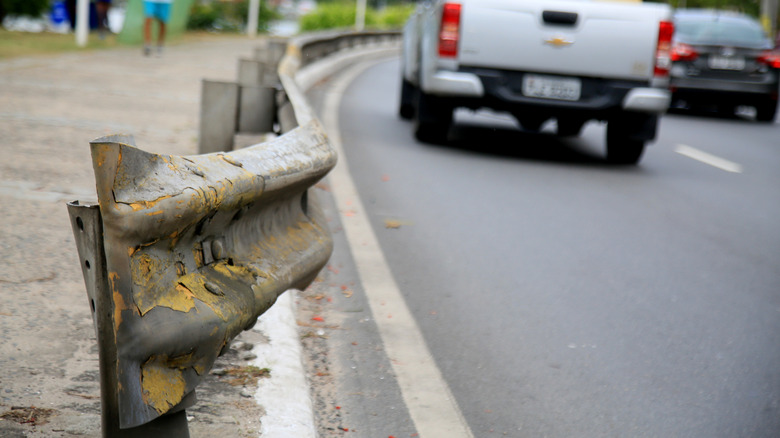
Incident Terminology: Distinguishing Highsides from Lowsides
In the unfortunate event of a crash, the distinction between a lowside and a highside is critical for accident reconstruction and rider education. A lowside occurs when the tires lose traction and the motorcycle slides out from under the rider, usually due to cornering too aggressively or encountering slick surfaces. The bike essentially "lowers" itself to the pavement. A highside, however, is significantly more violent; it occurs when the rear tire loses traction, begins to slide, and then suddenly regains grip. This abrupt transfer of energy acts like a catapult, potentially throwing the rider over the "high side" of the motorcycle. Highsides are notoriously dangerous due to the forces involved and the potential for the rider to be launched into the air.
Regulatory and Cultural Context: Lane Management and Gear
The debate surrounding lane splitting and lane filtering remains a focal point of motorcycle advocacy in the United States. Lane splitting—the practice of riding between lanes of moving traffic—is legal in select jurisdictions, most notably California. Lane filtering, which refers to moving between stopped cars to reach the front of an intersection, is gaining wider legislative acceptance. Both practices are designed to improve traffic flow and reduce the risk of rear-end collisions for motorcyclists, who are otherwise vulnerable when stationary in high-density traffic.
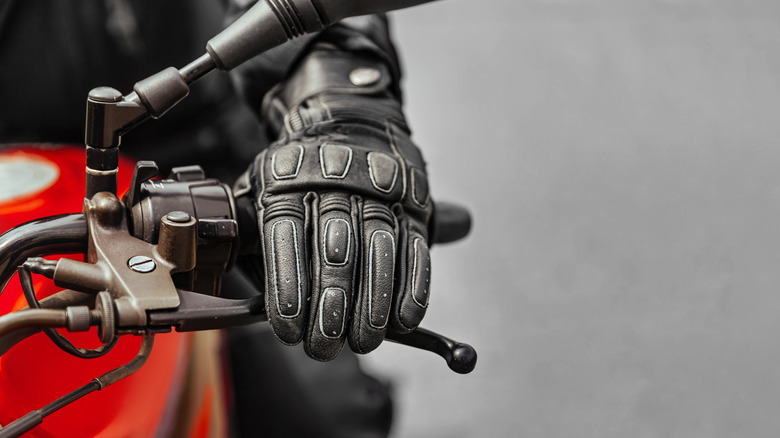
In terms of personal protection, the acronym ATGATT—"All The Gear, All The Time"—serves as a pillar of the riding community. Data from the National Highway Traffic Safety Administration (NHTSA) underscores that wearing full protective equipment, including CE-rated armor, gloves, boots, and full-face helmets, significantly correlates with reduced injury severity in the event of an accident. Despite this, usage rates vary, leading to ongoing advocacy efforts to normalize the consistent use of high-visibility, abrasion-resistant apparel.
Linguistic Nuances: From the Apex to the Ton
Finally, a rider’s education is rounded out by common terminology used to describe the riding line and historical milestones. The "apex" is the innermost point of a turn; hitting it correctly is the key to an efficient and smooth cornering line. Conversely, "chicken strips"—the unused rubber on the outer edges of a tire—are often used as a colloquial (and frequently inaccurate) measure of a rider’s skill. While a lack of wear on the edges may suggest a conservative riding style, it can also reflect different riding disciplines or mechanical limitations.
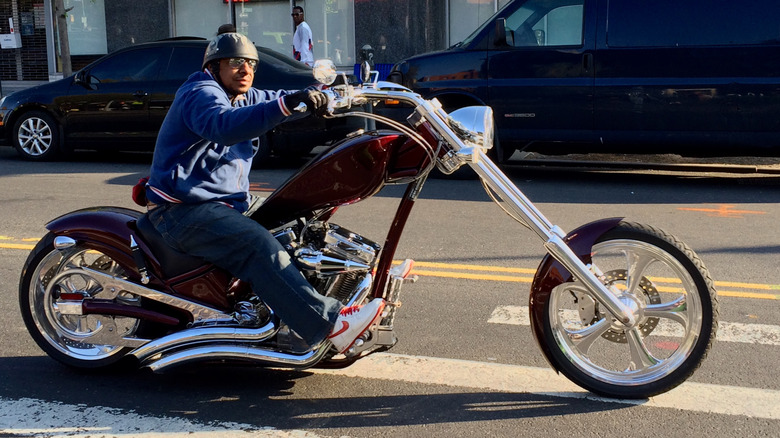
Finally, looking toward international terminology, the term "pillion" is the standard British English word for a motorcycle passenger. Similarly, "doing the ton" refers to reaching 100 mph, a phrase rooted in the 1950s British "café racer" culture. While these terms are less common in modern American parlance, they remain essential for anyone engaging with international motorcycle media or historical literature. By mastering these terms, a rider not only gains a deeper technical understanding of their machine but also connects more fully with the history and safety standards that define the modern motorcycling experience.