
Alec Baldwin Rust Camera Crew Walked Off The Set In Protest Before The Fatal Shooting
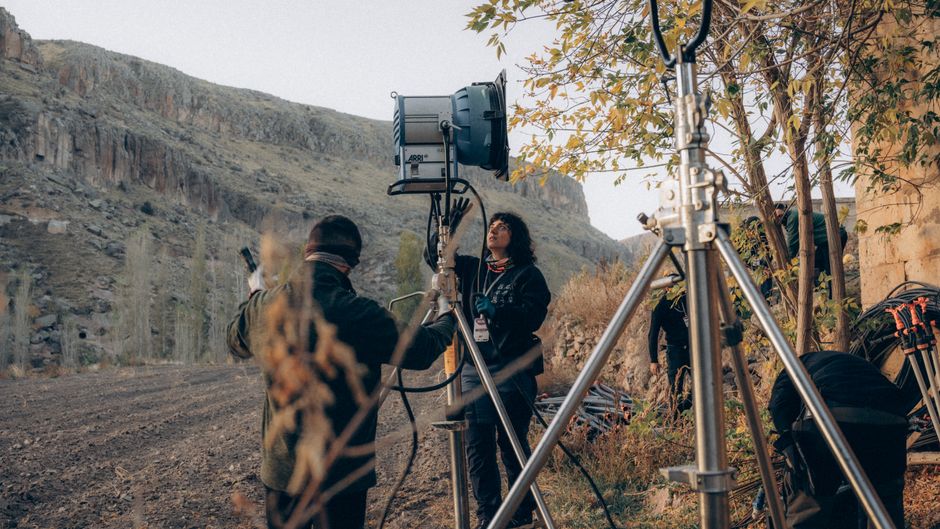
Alec Baldwin Rust Camera Crew Walked Off the Set in Protest Before Fatal Shooting
The fatal shooting on the set of the Western film Rust in October 2021 was a tragedy that sent shockwaves through Hollywood and ignited widespread debate about on-set safety. While the incident itself is a focal point of ongoing investigations and legal proceedings, a critical and often overlooked aspect of the events leading up to that fateful day is the prior walkout by a significant portion of the camera crew. This departure, driven by concerns over working conditions, pay, and safety protocols, underscores a deep-seated tension on the Rust set and highlights systemic issues within film production that can have devastating consequences. Understanding this pre-shooting protest is essential to grasping the full context of the tragedy and the broader implications for industry safety standards.
The camera department on Rust, comprised of dedicated professionals responsible for capturing every frame of the film, experienced considerable unrest in the days and weeks preceding cinematographer Halyna Hutchins’ death. Reports from multiple sources, including former crew members and industry insiders, detail a pattern of escalating frustration stemming from what they perceived as inadequate compensation and excessively long working hours. The crew was reportedly promised a specific rate for their work, but upon arrival on the New Mexico set, they discovered the offered pay was significantly lower than anticipated and did not align with industry standards for comparable productions. This financial disparity created immediate tension, as skilled professionals felt undervalued and exploited.
Beyond the financial grievances, the camera crew expressed profound concerns regarding the demanding and unsustainable work schedule. Filming on Rust was reportedly pushing the boundaries of union-mandated hours, with crew members routinely working 12-hour days, often extending well beyond that, with insufficient turnaround time between shifts. This relentless pace, common in some independent film productions seeking to maximize efficiency and minimize costs, began to take a significant toll on the crew’s well-being. Sleep deprivation, exhaustion, and the constant pressure to perform under demanding conditions contributed to a heightened risk of accidents and errors. The physical and mental fatigue fostered an environment where mistakes, even minor ones, could have amplified consequences.
It was within this atmosphere of discontent that the safety concerns began to crystallize into a more formal protest. The camera crew, accustomed to established safety protocols and best practices on professional film sets, found the conditions on Rust to be alarmingly lax. Specific complaints reportedly included a lack of adequate hotel accommodations, with some crew members expected to commute significant distances to the set, further exacerbating their exhaustion. More critically, there were reports of insufficient safety briefings and a general disregard for established procedures regarding the handling of prop firearms. This was not a minor issue; in an industry where the presence of firearms is a frequent occurrence, robust and strictly enforced safety protocols are paramount.
The decision to walk off the set was not taken lightly. It represented a last resort for a group of experienced professionals who felt their concerns were being ignored. The walkout, which occurred on the Saturday before the fatal shooting on Wednesday, October 21, 2021, involved a substantial number of camera department members. This was not a small, isolated incident but a collective action by individuals who believed the situation had become untenable and potentially dangerous. Their departure signaled a serious breakdown in communication and trust between the production management and a key department responsible for the film’s visual execution.
Following the camera crew’s walkout, the production scrambled to reassemble a new camera department. This hastily assembled team, reportedly including individuals with less experience and familiarity with the specific demands of the Rust production, stepped into a pre-existing environment of tension and hurried scheduling. The absence of the original, experienced crew undoubtedly created a void in institutional knowledge and a potential gap in the consistent application of safety practices. The pressure to resume filming quickly, coupled with the recent disruption, may have further contributed to a rushed and less attentive approach to on-set safety protocols.
The implications of this walkout extend beyond the immediate circumstances of Rust. It highlights a recurring issue in the film industry, particularly within independent productions, where cost-cutting measures can sometimes compromise worker safety and well-being. Unions and industry organizations have long advocated for stricter regulations and better enforcement of existing safety standards. The Rust incident, amplified by the prior camera crew protest, has served as a stark reminder of the potential human cost when these standards are not met. The walkout by the camera crew is not just a footnote to the tragedy; it is an integral part of the narrative, illustrating a clear warning sign that went unheeded.
Investigations into the fatal shooting have delved into the specifics of how live ammunition ended up on the set and who was ultimately responsible for the unsafe handling of the prop firearm. However, the context provided by the camera crew’s protest offers crucial insights into the environment in which these critical errors occurred. It suggests a production environment that was already under strain, potentially leading to a relaxed or overlooked approach to safety procedures. The crew’s willingness to forgo employment and endure the consequences of a walkout demonstrates the severity of their concerns. They weren’t simply seeking minor improvements; they felt the situation posed a genuine risk.
The role of production management in addressing and de-escalating the concerns of the camera crew is a central aspect of the aftermath. Questions persist about the extent to which their grievances were acknowledged and what actions, if any, were taken to rectify the situation prior to the walkout. The fact that the protest occurred indicates a failure in communication and problem-solving mechanisms. A healthy production environment relies on open dialogue and a commitment to resolving issues before they escalate to a point where a department feels compelled to abandon its post.
The impact of the Rust incident, including the camera crew’s walkout, has spurred renewed calls for industry-wide reforms. Many are advocating for more robust independent safety oversight, increased union influence in enforcing working conditions, and greater accountability for production companies that fail to prioritize safety. The legal ramifications of the shooting continue to unfold, with lawsuits filed by various parties, including members of Hutchins’ family and other crew members who were present. These legal battles are likely to further illuminate the chain of events and the responsibilities of all involved.
Furthermore, the Rust tragedy has sparked discussions about the psychological toll of working in high-pressure, demanding film environments. The sustained exhaustion and stress experienced by the camera crew, as evidenced by their walkout, can contribute to a broader understanding of workplace safety that encompasses mental and physical well-being. The pursuit of artistic vision should never come at the expense of human lives or the safety of those who bring that vision to life. The camera crew’s protest was a clear articulation of this principle, a preemptive cry for a safer and more respectful working environment.
In conclusion, the walkout of the Rust camera crew before the fatal shooting is a crucial element in understanding the tragic events that transpired. It underscores the risks inherent in productions that may prioritize speed and cost-saving over the well-being and safety of their workforce. The crew’s courageous action serves as a potent reminder of the importance of addressing labor disputes and safety concerns proactively and with the utmost seriousness. The lessons learned from this devastating incident, including the critical context of the prior protest, must inform future filmmaking practices to prevent such avoidable tragedies from ever occurring again. The industry’s ability to adapt and implement meaningful safety reforms will be a testament to its commitment to its most valuable asset: its people. The memory of Halyna Hutchins and the experiences of the Rust camera crew demand nothing less than a fundamental reevaluation of on-set safety protocols and a steadfast dedication to their rigorous implementation.
