Amazon’s Strategic Shift to Vega OS Signals End for Sideloading and Escalated Anti-Piracy Efforts on Fire Devices

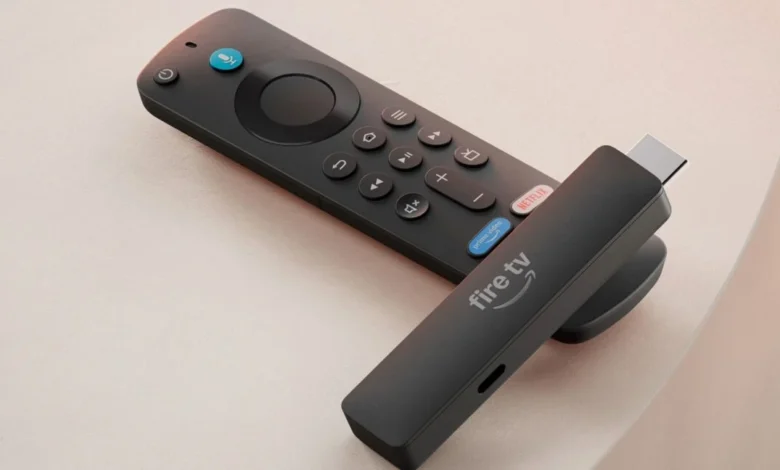
Amazon has unequivocally stated that it has no intentions of updating its existing Fire OS devices to the forthcoming Linux-based Vega operating system, a move reported by the German IT publication Heise Online in October. This declaration marks a pivotal strategic decision for the tech giant, signaling a definitive departure from the more open, Android-forked Fire OS and ushering in an era of tighter control over its Fire streaming ecosystem, primarily aimed at enhancing security, integrating advanced features like generative AI, and aggressively combating content piracy.
The Genesis of Fire OS and the Dual-Edged Sword of Sideloading
For years, Amazon’s Fire streaming devices, including its ubiquitous Fire TV Sticks and Fire tablets, have operated on Fire OS. This operating system is a proprietary fork of the Android Open Source Project (AOSP), which meant that while it leveraged the vast Android application ecosystem, it often lagged behind the latest Android software iterations. This inherent characteristic presented both opportunities and challenges for Amazon and its user base.
One of the most significant aspects of Fire OS, from a user perspective, was its relative openness to sideloading applications. Sideloading, the process of installing apps from sources other than Amazon’s official Appstore, became a common practice for a diverse range of users. Enthusiasts frequently utilized this capability to install apps from the Google Play Store, thereby accessing a much broader selection of applications not natively available on Amazon’s platform. This expanded functionality allowed users to transform their Fire devices into more versatile tools, such as using a Fire tablet as a dedicated smart home controller with apps incompatible with Amazon’s storefront, or to implement ad-blocking software to enhance their viewing experience by circumventing Amazon’s integrated advertising.
However, this flexibility, while empowering for some, created a significant vulnerability that Amazon is now actively addressing. The very mechanism that allowed users to extend the legitimate functionality of their devices also facilitated the installation of applications designed for accessing pirated content. This gray area of user autonomy versus platform control has long been a contentious point within the digital streaming landscape.
The Shadow Economy of Piracy on Fire Devices
The proliferation of "jailbroken" Fire Sticks, devices modified to easily install unauthorized streaming applications, has been a persistent and growing concern for Amazon and, more critically, for content creators and legitimate streaming services. Reports have consistently highlighted the substantial financial impact of this illicit activity. For instance, a May report from Enders Analysis, a prominent media, entertainment, and telecommunications research firm, estimated that Amazon Fire Sticks have been instrumental in enabling "billions of dollars" worth of streaming piracy. This staggering figure underscores the scale of the problem and the immense pressure Amazon has faced to curb such activities on its platform.
The financial ramifications of piracy extend far beyond direct revenue loss for content owners. It undermines the entire ecosystem of content creation, distribution, and legitimate consumption. Rights holders, including major sports broadcasters and film studios, invest colossal sums in producing and acquiring premium content. When this content is widely accessible through unauthorized channels, it devalues the product, discourages investment in new productions, and can lead to higher subscription costs for consumers who opt for legal services.
Amazon has not been immune to external pressure regarding piracy on its devices. Prominent content owners and distributors, such as Sky Sports UK, a major broadcaster of live sports, and the Premier League, England’s top professional soccer league, have actively lobbied Amazon to implement more stringent measures against piracy. Their concerns are particularly acute given the high value of live sports broadcasting rights, which are frequently targeted by illegal streaming services. This concerted pressure from industry stakeholders has undoubtedly played a significant role in Amazon’s strategic pivot.
Amazon’s Escalating Anti-Piracy Stance and the Role of ACE
The shift towards a more restrictive environment for sideloading on Fire devices is not a sudden development but rather the culmination of a series of escalating anti-piracy efforts by Amazon. In the fall preceding the Vega announcement, Amazon initiated a more aggressive stance, beginning to block certain applications at the point of installation rather than merely at launch. This proactive blocking mechanism represented a significant step up from previous, less intrusive methods.
Central to these efforts is Amazon’s collaboration with the Alliance for Creative and Entertainment (ACE), a global anti-piracy coalition dedicated to protecting the dynamic legal market for content and reducing digital piracy. ACE comprises a formidable roster of major entertainment companies, including Netflix, Warner Bros. Discovery, Paramount, Disney, Apple TV+, and Amazon itself. The organization actively identifies and blacklists applications known to facilitate illegal content streaming. Amazon’s decision to block apps blacklisted by ACE signifies a unified industry front against piracy and a commitment by Amazon to align its platform policies with broader anti-piracy objectives. This collaboration underscores the seriousness with which Amazon views the issue and its willingness to leverage industry partnerships to combat it effectively.
Introducing Vega OS: A New Foundation for Control and Innovation
The transition to Vega OS is a foundational change for Amazon’s Fire ecosystem, promising both enhanced control and significant innovation. Unlike Fire OS, which is an Android fork, Vega is a Linux-based operating system. This architectural shift provides Amazon with several critical advantages.
Firstly, a Linux-based OS offers Amazon greater autonomy and control over the software stack. This means the company is less reliant on Google’s Android development cycles and can tailor the operating system more precisely to its hardware and strategic objectives. This heightened control translates into the ability to implement more modern software, potentially leading to faster updates, improved security patches, and optimized performance tailored specifically for Fire devices.
Secondly, and perhaps most strategically, Vega OS is designed to give Amazon unprecedented control over how users interact with Fire devices and the applications they can run. This tighter ecosystem management is crucial for Amazon’s long-term vision, which includes the seamless integration of advanced features like Alexa+. Alexa+, Amazon’s generative AI chatbot, represents a significant investment in artificial intelligence and is poised to become a central component of Amazon’s device experience. By controlling the underlying OS, Amazon can ensure deep and optimized integration of such AI capabilities, delivering a more cohesive and sophisticated user experience. This control also extends to limiting the use of apps that could negatively impact Amazon’s business model, whether by costing the company money through circumvented advertising or, more critically, by hosting illegal content.
The Unofficial Timeline of Amazon’s OS Evolution and Anti-Piracy Measures
- Early 2010s: Amazon launches its first Fire devices (tablets, then Fire TV), establishing Fire OS as an Android fork. The design allows for sideloading, becoming a popular feature for power users and, inadvertently, for piracy.
- Mid-2010s: The rise of streaming piracy tools gains traction, with "jailbroken" Fire Sticks becoming a prominent method for accessing unauthorized content. Amazon faces initial, albeit less aggressive, pressure from content owners.
- Late 2010s – Early 2020s: Piracy concerns escalate significantly, with reports from industry bodies and media research firms (like Enders Analysis) quantifying the "billions of dollars" lost due to illegal streaming facilitated by devices like Fire Sticks. Content providers, including Sky Sports UK and the Premier League, intensify their lobbying efforts with Amazon.
- 2024 (Speculative/Inferred): Development of Vega OS gains momentum internally, with rumors of a shift away from Android for Fire devices beginning to circulate in tech media. The strategic rationale likely includes greater control, enhanced security, and the ability to integrate advanced AI features like Alexa+.
- Fall 2024: Amazon begins actively blocking specific "piracy apps" at the point of installation on Fire OS devices, a significant escalation of its anti-piracy enforcement. This move is reported by various tech news outlets, noting collaboration with anti-piracy groups like ACE.
- October 2024: German IT publication Heise Online reports an official statement from an Amazon representative confirming that existing Fire OS devices will not receive an update to the new Vega OS. This announcement firmly establishes a two-tiered system and underscores Amazon’s commitment to a more controlled future ecosystem.
- Late 2024 – Early 2025: Speculation mounts regarding the official launch of new Fire devices running Vega OS, alongside the continued enforcement of anti-piracy measures on existing Fire OS hardware.
Market Context and Supporting Data
Amazon’s Fire TV devices hold a substantial share of the global streaming device market. While exact figures fluctuate, Amazon consistently ranks among the top players, often vying with Roku for market leadership in key regions like North America. Reports from analytics firms like Statista and Strategy Analytics frequently place Amazon Fire TV devices in tens of millions of active users worldwide. This vast installed base makes the piracy problem particularly acute for content owners, as any vulnerability in Amazon’s ecosystem can be exploited on a massive scale.
The broader streaming industry continues to grow robustly, with a global market projected to reach hundreds of billions of dollars in the coming years. This growth is fueled by an ever-expanding library of original content and diverse subscription offerings. However, this growth is constantly threatened by piracy, which industry bodies estimate costs the global entertainment industry tens of billions of dollars annually. For instance, the Motion Picture Association (MPA) and other anti-piracy organizations consistently highlight the economic damage, job losses, and reduced investment in creative industries caused by illegal content consumption. Amazon’s shift to Vega, therefore, is not merely an internal product decision but a significant contribution to the broader industry’s fight against content theft, aligning its platform more closely with the interests of its content partners, including those within its own Prime Video ecosystem.
Reactions and Industry Perspectives
The announcement regarding Vega OS and the cessation of updates for current Fire OS devices will elicit varied reactions across different user segments and industry stakeholders.
For the vast majority of mainstream users who primarily rely on Amazon’s official Appstore for their entertainment needs, the transition to Vega and the crackdown on sideloading may have minimal direct impact. These users will continue to access their preferred streaming services and Amazon’s content offerings without interruption, potentially benefiting from a more secure and feature-rich ecosystem in the long run.
However, a vocal segment of power users and enthusiasts who have historically relied on sideloading for expanded functionality—whether for legitimate niche applications or for bypassing Amazon’s advertising—will likely express disappointment. This group may feel that Amazon is curtailing user freedom and pushing towards a more "walled garden" approach. Such users might explore alternative streaming devices from competitors like Roku, Apple TV, Google Chromecast, or Nvidia Shield, which may offer different levels of openness or specialized features.
From the perspective of content creators and anti-piracy organizations, Amazon’s move is likely to be met with strong approval. Groups like ACE will view this as a significant victory in their ongoing battle against digital piracy, seeing Amazon actively taking responsibility for content protection on its platform. This strengthened stance could encourage further collaboration between Amazon and content owners, fostering a more secure environment for premium content distribution.
Industry analysts are likely to interpret Amazon’s strategy as a shrewd business move. It signals Amazon’s commitment to protecting its own intellectual property (e.g., Prime Video content) and strengthening its position as a reliable partner for other content providers. The integration of Alexa+ and other AI features within a controlled Vega ecosystem also points to Amazon’s ambition to create a more integrated and intelligent home entertainment hub, leveraging its strengths in cloud computing and artificial intelligence. This strategic pivot positions Amazon to better compete in an increasingly sophisticated streaming device market.
Broader Implications and The Future of Streaming Devices
The transition to Vega OS represents a significant inflection point for Amazon’s Fire ecosystem, with broader implications for the competitive landscape of streaming devices and the ongoing debate between "open" and "closed" platforms.
Firstly, the move towards a more controlled environment on Fire devices may inadvertently boost the appeal of rival streaming platforms that continue to offer greater sideloading flexibility or more open app ecosystems. Devices like Nvidia Shield TV, with its robust Android TV base, or even general-purpose Android TV boxes, might see increased interest from users seeking maximum customization and app choice. This could lead to a subtle shift in market dynamics as power users gravitate towards platforms that align with their preferences for openness.
Secondly, Amazon’s emphasis on a Linux-based OS with deep AI integration underscores a trend towards more proprietary and specialized operating systems in consumer electronics. As AI becomes more central to user experience, companies are increasingly seeking direct control over the software stack to ensure optimal performance, security, and unique feature sets. Vega OS is a clear example of this strategic direction, positioning Amazon to deliver a highly integrated and intelligent streaming experience that leverages its strengths in AI and cloud services.
Finally, the ongoing "cat-and-mouse" game between platform providers and those seeking workarounds for content restrictions is unlikely to cease entirely. While Amazon’s measures will undoubtedly make it significantly harder to install and run pirated content apps, resourceful individuals may still attempt to develop new methods or exploit unforeseen vulnerabilities. However, Amazon’s proactive stance and its commitment to continuous updates within the Vega ecosystem suggest that the barriers to unauthorized access will be considerably higher and more challenging to overcome.
In conclusion, Amazon’s strategic shift to Vega OS and its concurrent crackdown on sideloading mark a watershed moment for its Fire device ecosystem. By prioritizing control, security, and seamless integration of advanced features like Alexa+, Amazon is recalibrating its platform to better protect content, enhance its service offerings, and solidify its position in the highly competitive streaming market. While it may mean less flexibility for a subset of users, it signals a clearer, more controlled future for Amazon’s digital media strategy, aligning with the broader industry’s imperative to combat content piracy and foster a robust, legitimate streaming environment.