BYD Opens Pre-Orders for the Third-Generation Tang Electric SUV in China Starting at $34,000

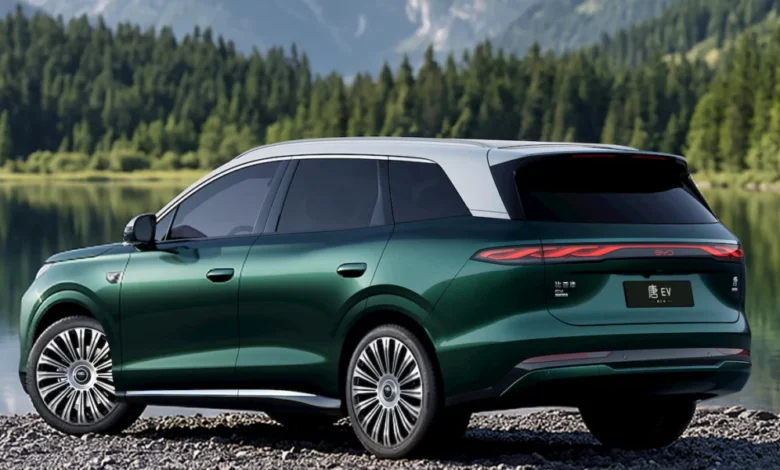
Automotive giant BYD has officially commenced pre-orders for the third-generation Tang electric SUV in its domestic market, establishing a new pricing and technology benchmark for the brand’s expanding flagship lineup. Positioned as a dedicated large five-seat electric vehicle, the third-generation Tang enters the market with an aggressive starting price of 225,000 yuan, roughly equivalent to $34,000 USD. This competitive pricing strategy arrives alongside a comprehensive suite of high-end specifications, including ultra-fast flash charging architecture, advanced intelligent suspension systems, and an impressive CLTC-rated driving range reaching up to 850 kilometers, or approximately 528 miles.
The introduction of the new iteration follows closely on the heels of regulatory filings submitted to China’s Ministry of Industry and Information Technology (MIIT) last month. These initial disclosures offered industry analysts their first glimpse into BYD’s product roadmap for the vehicle, confirming that the automaker intended to streamline the model into a dedicated five-passenger configuration. By eliminating the multi-row seating options found in previous generations, engineers optimized the interior architecture to maximize passenger comfort and cargo utility. According to official disclosures from BYD, this structural reconfiguration has allowed the third-generation Tang to claim the largest front trunk capacity in its class, offering 205 liters of dedicated storage beneath the hood.
Vehicle Lineup, Pricing, and Powertrain Architecture
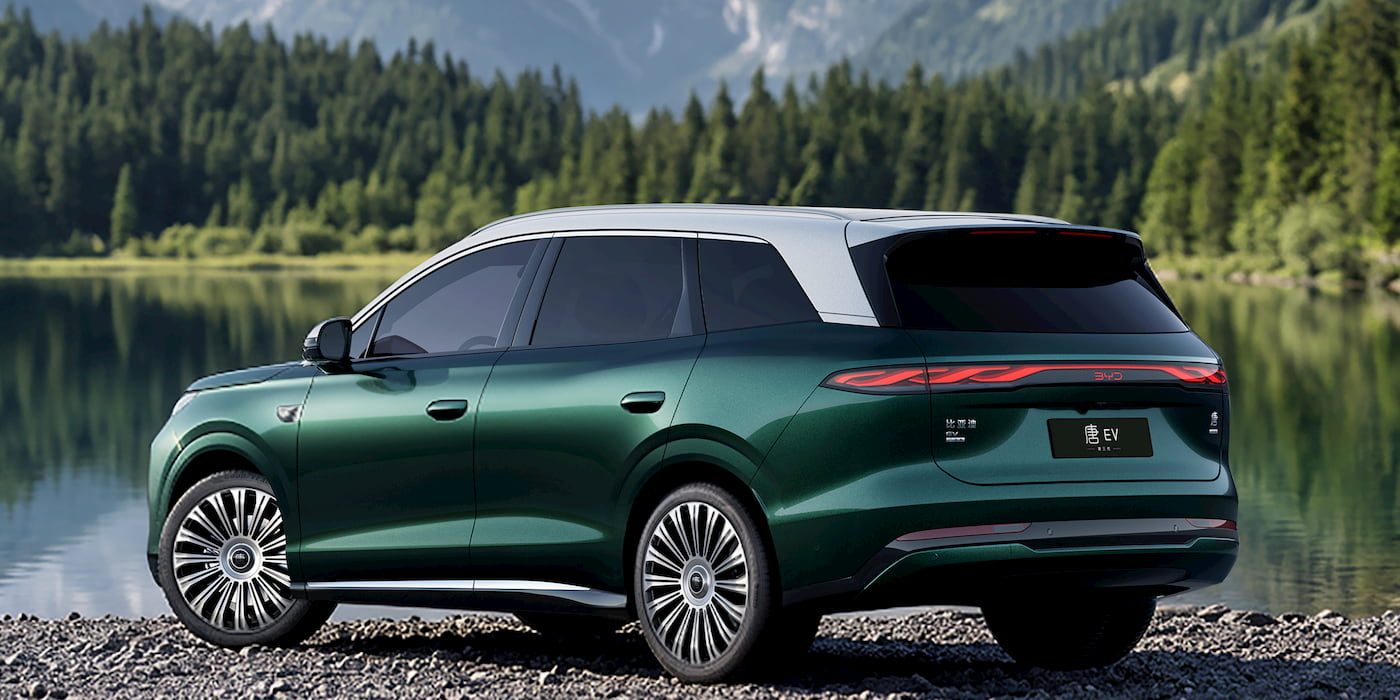
The third-generation Tang lineup is structured across three distinct trim variants designed to cater to varying consumer preferences for performance and range. The baseline rear-wheel-drive variant commences at 225,000 yuan ($34,000), while the extended-range rear-wheel-drive configuration is priced at 240,000 yuan ($36,000). At the apex of the lineup sits the dual-motor all-wheel-drive variant, carrying a price tag of 260,000 yuan, or approximately $39,000 USD.
Performance and efficiency metrics vary according to the powertrain layout. The rear-wheel-drive variants are engineered to achieve an exceptional CLTC driving range of up to 850 kilometers (528 miles), making them exceptionally suited for long-distance transit. Meanwhile, the performance-oriented dual-motor all-wheel-drive variant trades a fraction of that range for enhanced traction and dynamics, still delivering a respectable CLTC range of up to 770 kilometers (478 miles).
At the foundation of these performance metrics is BYD’s proprietary second-generation Blade Battery technology, coupled with advanced Flash Charging capabilities. The electrical architecture supports exceptionally rapid energy replenishment, enabling the vehicle to transition from a 10% state of charge to 80% in a mere five minutes under optimal conditions. For drivers requiring a nearly full battery, a charge from 10% to 97% requires only nine minutes. This charging speed effectively mitigates one of the primary historical friction points for battery-electric vehicle adoption, aligning charging durations more closely with traditional refueling stops.
Cabin Technology and Premium Interior Appointments
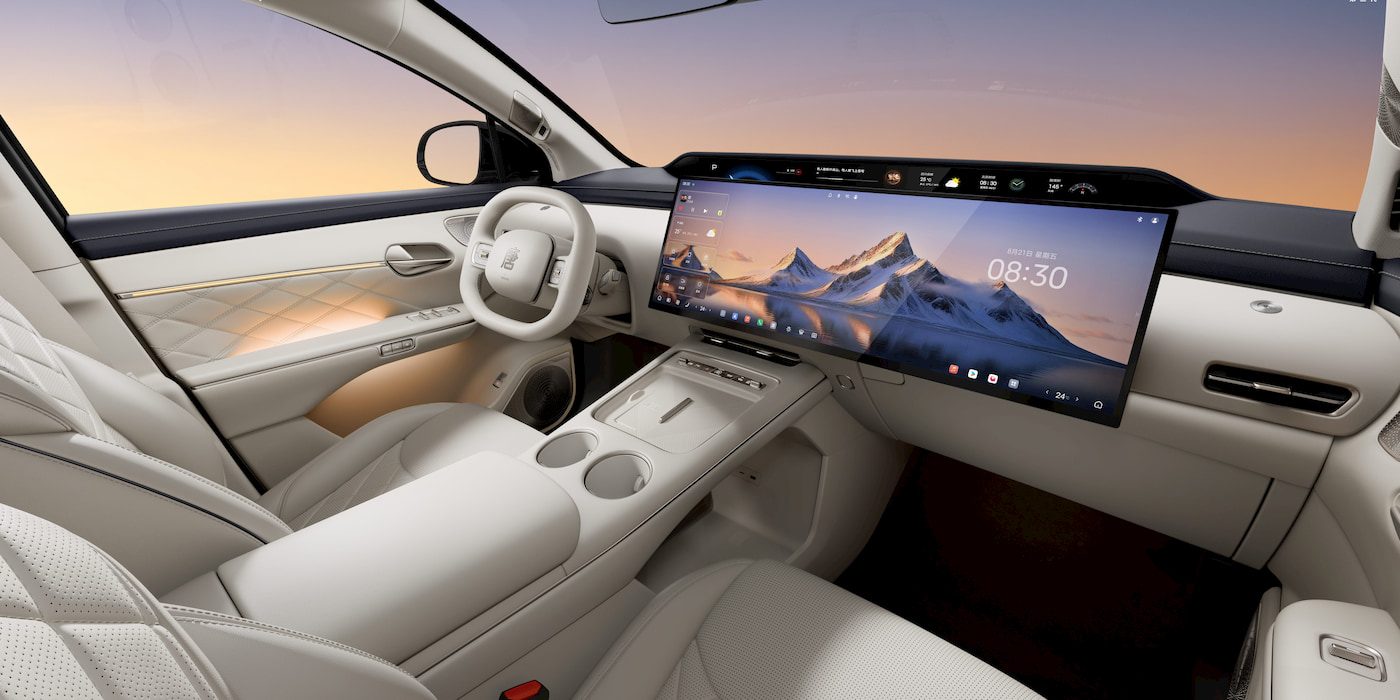
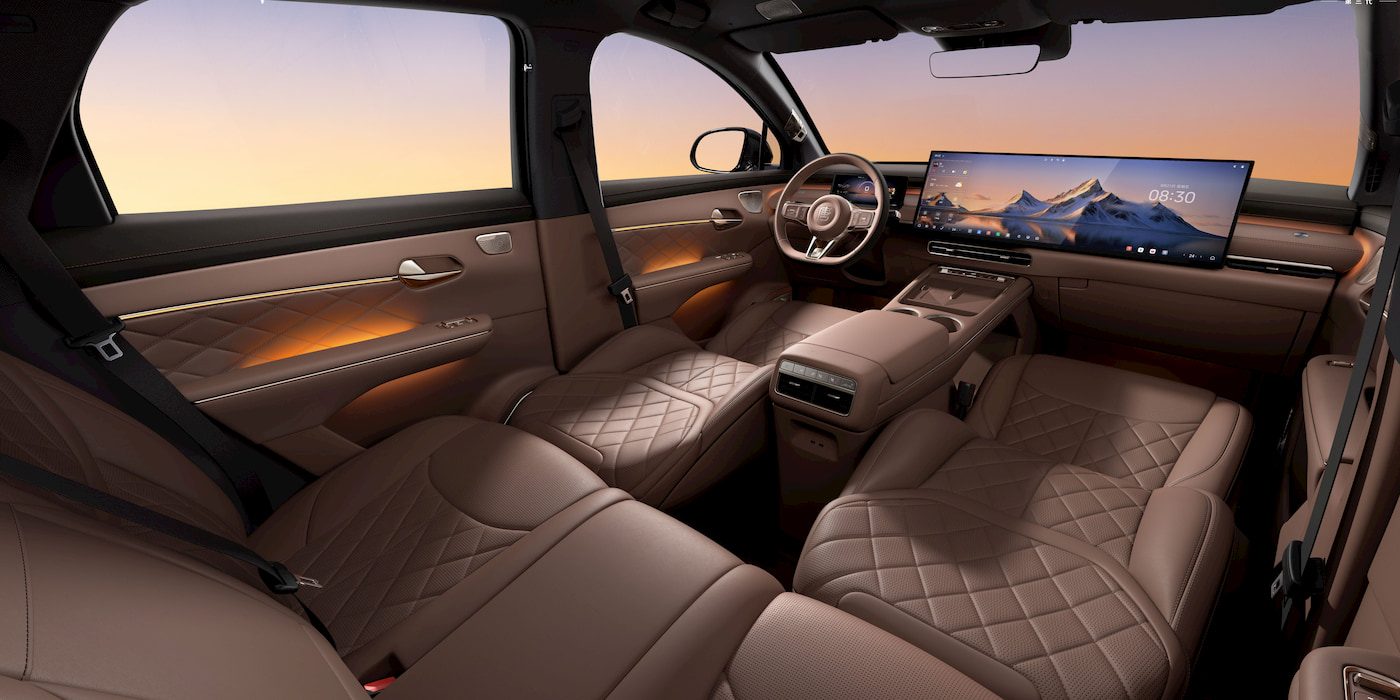
Inside the cabin, the third-generation Tang departs significantly from utilitarian interior layouts, integrating a heavy concentration of digital infrastructure and premium audio systems. The dashboard is anchored by two prominent digital interfaces: a sprawling 35.4-inch integrated display screen paired with a dedicated 30-inch panoramic theater screen designed for passenger entertainment and vehicle telemetry management.
Acoustic performance matches the visual display capabilities through the inclusion of a 22-speaker Dynaudio premium sound system. These appointments reflect BYD’s broader corporate strategy to elevate its Dynasty series vehicles into the premium segment, offering luxury-tier amenities at a mass-market price point. Lu Tian, the general manager of BYD’s Dynasty division, confirmed that display models and initial inventory have already been distributed to dealerships nationwide across China, enabling prospective buyers to inspect the vehicle physically prior to final delivery execution.
Contextual Background and the Greater Tang Precedent
The launch of the third-generation Tang occurs against a backdrop of unprecedented market momentum for BYD’s broader flagship portfolio. Earlier this year, in mid-June, BYD launched the larger sibling to this platform—commercially referred to as the Great Tang, or Da Tang—which shattered corporate records by accumulating over 150,000 pre-orders prior to its official commercial debut.
The Great Tang established commercial dominance immediately following its market introduction, maintaining sales figures exceeding 10,000 units per month for four consecutive months. Available in both pure battery-electric (EV) and plug-in hybrid electric vehicle (PHEV) configurations, the Great Tang demonstrated significant consumer appetite for larger, premium-tier electrified vehicles from domestic Chinese manufacturers. The pure electric variant of the Great Tang starts at 239,900 yuan ($35,500) with a CLTC range of 800 kilometers (497 miles), while its top-tier Flagship EV variant utilizes a massive 130.15 kWh battery pack to achieve a 950-kilometer (590-mile) range at a price of 269,900 yuan ($40,000).
Where the Great Tang targeted families requiring expansive space and multi-row seating configurations, the newly introduced third-generation Tang is intentionally tailored for consumers prioritizing streamlined five-passenger spaciousness combined with cutting-edge active safety and chassis technologies.
Advanced Chassis Systems and Driver-Assistance Integration
Beyond raw range and infotainment capabilities, the third-generation Tang incorporates sophisticated chassis control and active safety hardware derived from BYD’s top-tier engineering programs. The vehicle is equipped with BYD’s advanced God’s Eye B driver-assistance system, providing comprehensive sensor fusion and autonomous navigation capabilities across various driving environments.

Ride quality and vehicle dynamics are managed by the Disus-A dual-chamber intelligent air suspension body control system, which dynamically adjusts damping rates and ride height to neutralize road imperfections and enhance high-speed stability. Furthermore, the platform integrates intelligent electric all-wheel-drive technology, an advanced high-speed tire blowout stability system designed to maintain vehicle control in emergency scenarios, and the iTAC (Intelligent Torque Adaptation Control) system to optimize traction across adverse weather and road conditions.
Broader Market Implications and Competitive Landscape
The aggressive pricing and rich feature set of the third-generation Tang underscore the intensifying competition within China’s domestic new energy vehicle (NEV) sector. By delivering luxury-segment features such as dual-chamber air suspension, ultra-fast flash charging, and extensive acoustic integration at a price point hovering around $34,000, BYD continues to exert intense pricing pressure on both legacy foreign automakers and domestic EV startups.
As traditional internal combustion engine vehicles steadily lose market share to electrified alternatives in the world’s largest automotive market, vehicles like the third-generation Tang highlight how domestic manufacturers are leveraging economies of scale and vertically integrated supply chains. Whether this specialized five-seat variant will replicate or surpass the record-breaking trajectory set by its larger Great Tang stablemate remains one of the most closely watched developments in the current automotive landscape. Industry observers will monitor delivery figures and consumer conversion rates closely as the vehicle transitions from the pre-order phase to full-scale customer handovers in the coming months.
Related posts: