Climate finance pledges for developing nations plummet by 70 percent as global commitments stall ahead of COP31

As the international community gathers in Turkey for the COP31 climate summit, a stark financial reality has overshadowed the negotiations. New data analysis reveals that public climate finance pledges from developed nations have collapsed by more than 70 percent for the post-2026 period. This dramatic contraction represents a significant departure from the multi-year commitments that have historically provided the backbone of international climate assistance, leaving developing countries to face the escalating impacts of climate change with a fraction of the previously promised support.
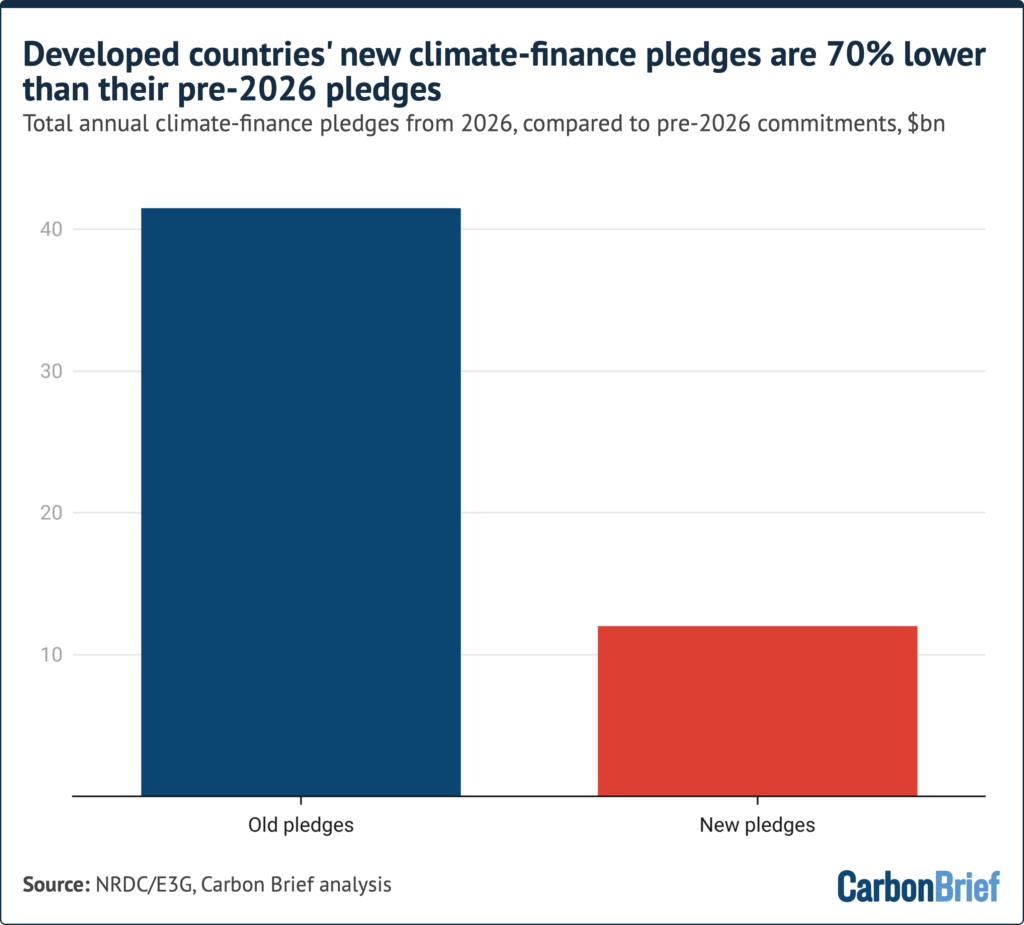
The annual volume of public finance pledged has fallen from approximately $40 billion to just $11.7 billion. This precipitous decline is not merely a statistical anomaly; it reflects a profound shift in the political landscape of major donor nations, characterized by fiscal austerity, domestic political instability, and a retreat from long-standing international obligations.
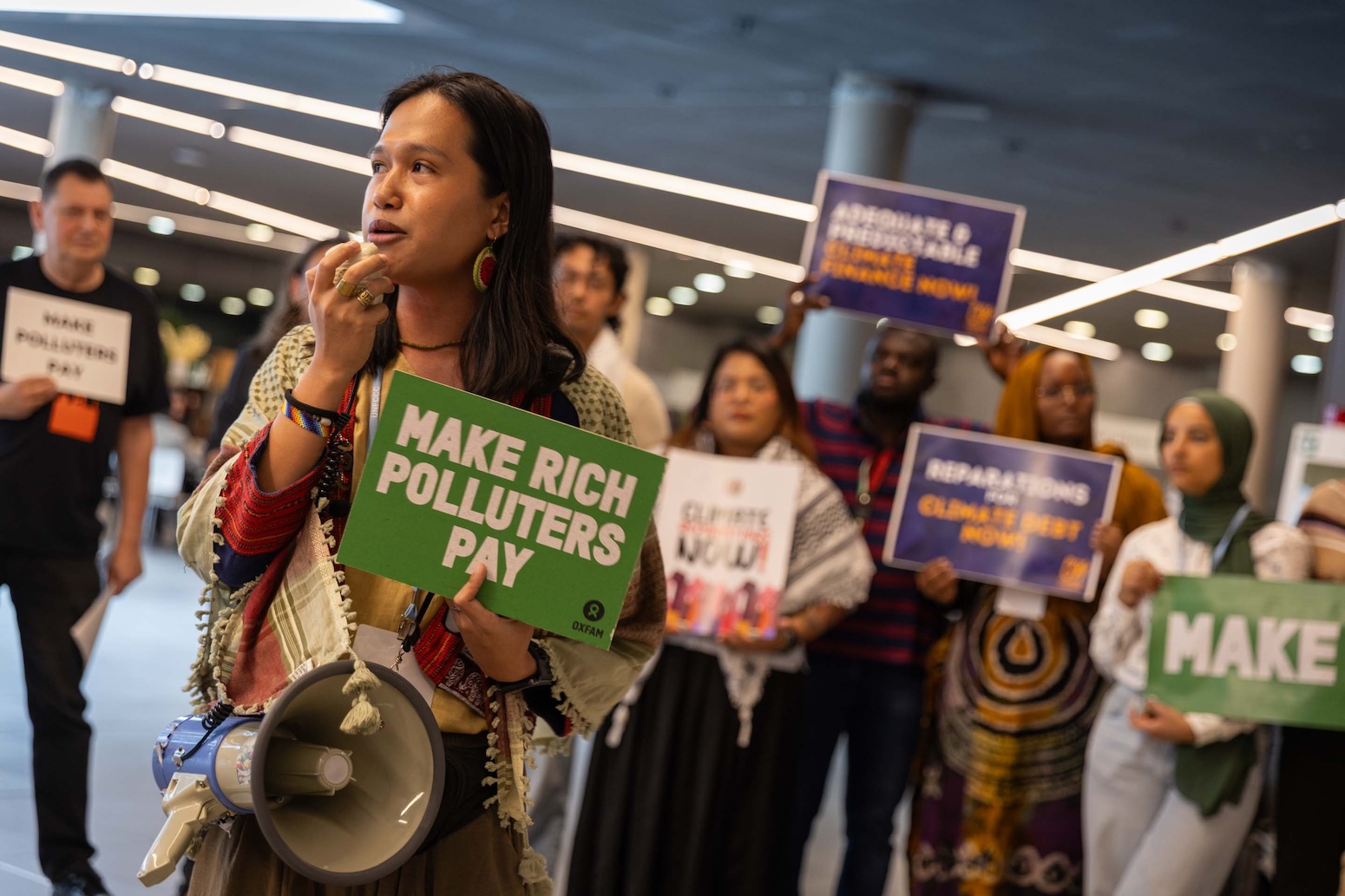
The Erosion of Financial Solidarity
Under the framework of the Paris Agreement, developed nations are mandated to provide financial assistance to help the Global South mitigate carbon emissions and adapt to the increasingly severe physical risks of climate change. This financial architecture has traditionally relied on multi-year pledges, which provide a degree of predictability for developing nations attempting to integrate climate action into their own national budgets.
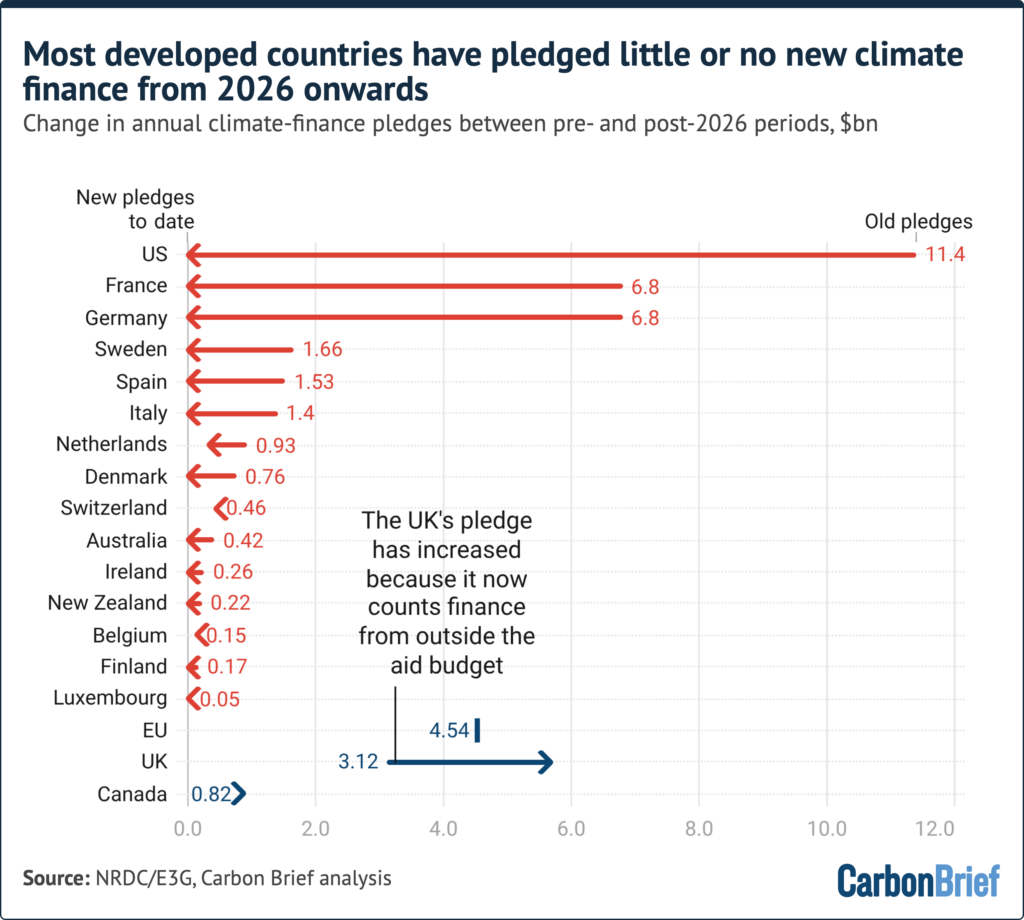
However, the year 2025 served as a critical inflection point, as the vast majority of these multi-year pledges reached their expiration. Rather than renewing these commitments, the world’s largest economies have largely remained silent. A tracker maintained by the Natural Resources Defense Council (NRDC) and E3G—two organizations specializing in climate policy and finance—indicates that of the traditional donor bloc, only five nations have come forward with new, formal multi-year pledges for the remainder of the 2020s.
The United Kingdom stands as the sole major donor to have announced a new, structured pledge, though its ambition has been questioned by analysts who note that the figure includes non-aid financial instruments, such as export credits and debt, which were not previously counted in their traditional climate aid metrics. Meanwhile, heavyweights like Germany, France, and Japan have yet to provide substantive, forward-looking commitments, and the United States has effectively exited the arena entirely.
A Chronology of Retreat
The current crisis in climate funding is the culmination of several years of mounting pressure on national exchequers. The timeline of this decline is critical to understanding the current impasse:
- 2021-2022: Following the COP26 summit in Glasgow, there was a brief period of optimism. Developed nations reaffirmed their commitment to the $100 billion annual goal, with many countries, including the US, Germany, and France, setting ambitious, albeit non-binding, targets for the mid-2020s.
- 2023-2024: Economic headwinds, exacerbated by high interest rates and the lingering effects of the post-pandemic recovery, began to strain European aid budgets. Simultaneously, the rise of populist, right-wing political movements in several G7 nations shifted domestic priorities away from foreign aid.
- 2025: A "cliff-edge" year. Most existing multi-year climate finance pledges expired. In the United States, the transition of power resulted in a formal withdrawal from international climate finance efforts, eliminating one of the world’s largest potential contributors.
- Late 2026: As the COP31 summit approached, the anticipated "replenishment" of these funds failed to materialize. Analysis confirms that the aggregate annual pledged amount for the coming years has fallen to roughly $11.7 billion, a level insufficient to meet the needs of the developing world.
The Vacuum Left by Major Donors
The absence of the United States from the international climate finance landscape is perhaps the most significant factor in the current shortfall. Under the previous administration, the US had aimed for $11.4 billion in annual support. Following the 2025 change in government, the US not only abandoned this target but moved to curtail its involvement in the Paris Agreement’s financial mechanisms. This withdrawal has created a vacuum that other nations have shown no appetite to fill.
In Europe, the situation is similarly precarious. Germany and France, which have historically accounted for a substantial portion of global climate aid, have both implemented deep cuts to their development budgets. These decisions are frequently justified by governments as necessary to address domestic fiscal gaps and increased military spending requirements stemming from regional geopolitical conflicts.
Dr. Anja Carolin Gebel, a policy advisor at Germanwatch, notes that climate finance has become a casualty of the current political environment in Berlin. "The issue of climate change, and subsequently, climate finance, has taken a backseat in the current government coalition," she states, reflecting a broader trend where climate commitments are treated as discretionary spending rather than fundamental treaty obligations.
Implications for the Global South
For developing nations, the failure to secure predictable funding is not just a diplomatic disappointment—it is a developmental hurdle. Climate finance is essential for building resilient infrastructure, transitioning to renewable energy grids, and managing the loss and damage associated with extreme weather events.
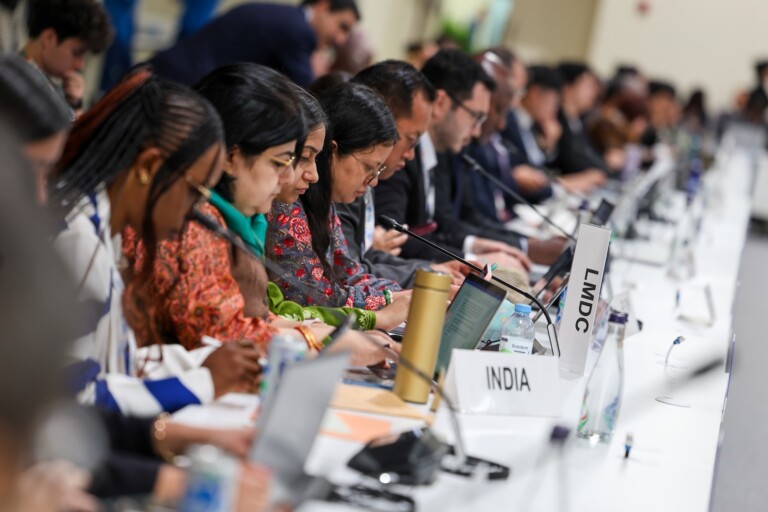
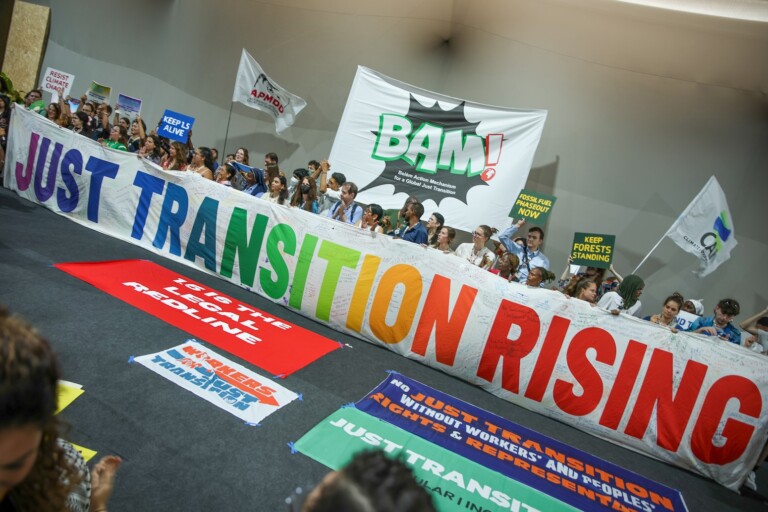
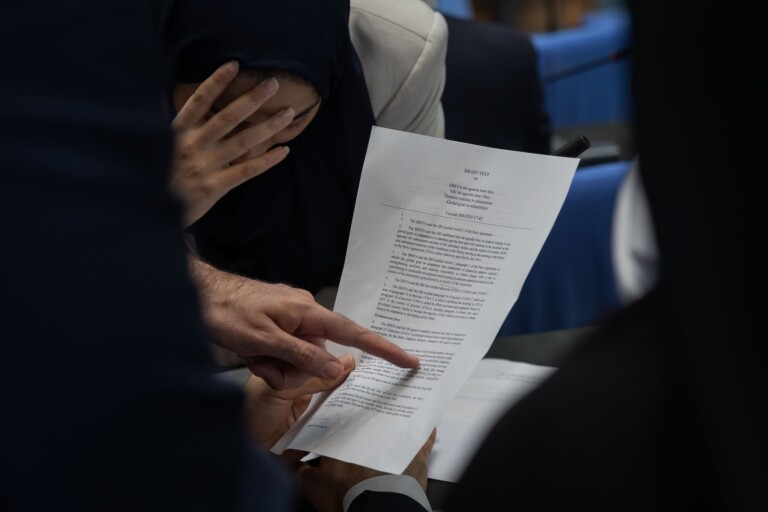
At the COP31 summit in Turkey, the G77 and China have been vociferous in their demand for a more robust "climate-finance work programme." These nations argue that without a clear, scaled-up commitment from the developed world, the global transition to a low-carbon economy will be uneven, potentially stalling progress in the very regions where climate adaptation is most urgent.
The European Union, while pointing to its 2025 contribution of approximately €32.3 billion ($40 billion) as evidence of its leadership, has signaled that the era of "fresh money" pledges is effectively over. EU climate chief Wopke Hoekstra recently remarked that discussions regarding new, additional funding were "dead in the water," a statement that has sent shockwaves through the negotiating halls in Antalya.
Structural Analysis: The Counting Controversy
A significant portion of the tension surrounding current pledges stems from how "climate finance" is defined and calculated. As evidenced by the United Kingdom’s recent announcement, there is a growing trend toward "creative accounting." By including private-sector mobilization, equity, and insurance guarantees—items that were historically categorized separately from direct aid—some countries are able to present a facade of continued ambition while, in reality, reducing their direct grant-based support.
This creates a "transparency gap." When recipient nations look at the headline figures, they see pledges that may appear superficially stable. However, when the data is disaggregated to reveal the amount of non-repayable grant aid, the reality is a significant decline in resources that can be deployed immediately to address the climate crisis.
Looking Toward the Future
The current impasse poses a fundamental question for the international climate regime: can the Paris Agreement survive without the financial glue that binds it together?
Joe Thwaites of the NRDC argues that the lack of new announcements is making the climate negotiations significantly more difficult than they need to be. "The debate around the climate-finance work programme is arising because developing countries have little clarity about how much public climate finance there will be in coming years," he notes.
Without a clear path to bridge the gap between the $11.7 billion currently pledged and the hundreds of billions required annually by 2035, the international community faces the prospect of a fractured climate response. As COP31 continues, the pressure on developed nations to demonstrate leadership will only intensify. Whether those nations choose to reverse the current trend of retrenchment or continue to prioritize domestic fiscal concerns over global climate stability remains the defining question of this summit.
The data is clear: the current trajectory of climate finance is failing to meet the stated goals of the global community. Without a rapid realignment of political will and financial resources, the progress made over the last decade risks being undone by the economic and political realities of the present.
Related posts: