New York State Sets Historic Precedent as First in the Nation to Mandate All-Electric New Building Construction

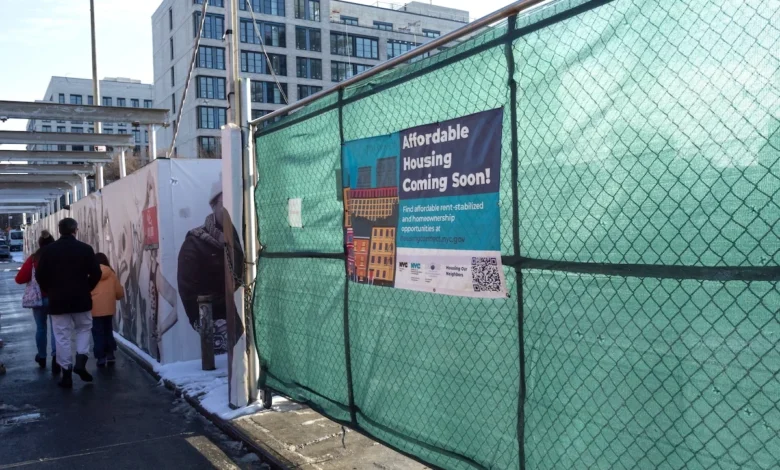
In a landmark shift for American climate policy, New York has officially become the first state in the United States to enact a comprehensive mandate requiring new construction projects to be built entirely without fossil fuel hookups. The regulation, which reached finalization in late July 2025 following the approval of the State Fire Prevention and Building Code Council, marks the culmination of a multi-year legislative and legal battle aimed at decarbonizing the state’s built environment. This policy represents a fundamental change in how the state addresses its climate goals, shifting away from gas-powered infrastructure in favor of electric heat pumps, induction cooking, and high-efficiency electrical systems.
The mandate is a direct outgrowth of the All-Electric Buildings Act, which was signed into law in 2023. After surviving a series of high-profile legal challenges, the rules are set to take effect for most new construction permit applications filed on or after December 31, 2025. This transition is not merely an environmental endeavor; it is a complex administrative overhaul designed to address the fact that buildings account for approximately 31% of all greenhouse gas emissions within New York State.
A Chronology of the Legislative and Legal Struggle
The journey toward a fossil-free construction mandate was neither swift nor unopposed. The legislative effort began in earnest as New York lawmakers sought to align the state’s building codes with the ambitious emissions reduction targets established by the Climate Leadership and Community Protection Act (CLCPA).
In 2023, the New York State Assembly passed the All-Electric Buildings Act, establishing the legal framework for the ban. However, the legislation almost immediately faced resistance from fossil fuel advocacy groups and building industry trade associations. These entities argued that the state was overstepping its authority, frequently citing the legal precedent set in Berkeley, California, where a federal court overturned a local ordinance banning natural gas in new buildings.
The turning point occurred in July 2025, when the U.S. District Court for the Northern District of New York ruled in favor of the state. The court’s decision provided the necessary legal clearance for the State Fire Prevention and Building Code Council to finalize the specific code language. While industry groups have signaled their intent to petition the U.S. Department of Justice to intervene, the state’s victory in district court has effectively cleared the path for the regulations to move forward as scheduled.
Implementation Timeline and Scope
The mandate will be implemented in phases, acknowledging the scale and complexity of the construction industry. For residential buildings standing up to seven stories, and for commercial or industrial projects up to 100,000 square feet, the requirements become binding for any project seeking a building permit on or after December 31, 2025.
Larger commercial and industrial structures, defined as those exceeding 100,000 square feet, have been granted a longer implementation window. These projects are required to comply with the all-electric mandate by 2029. This staggered approach is designed to allow developers and engineering firms time to adjust supply chains, procurement processes, and design specifications for large-scale, high-intensity energy users.
The regulations do include specific exemptions for essential services and industries where electrification remains technically or economically challenging under current technology. These include, but are not limited to, certain laboratory facilities, medical centers, agricultural buildings, crematoriums, and specific commercial restaurant operations. These carve-outs ensure that public health and essential economic functions are not compromised during the transition.
Economic and Environmental Implications
The primary driver of this policy is the urgent need to address the climate crisis by curbing emissions from the built environment. Because residential and commercial heating and hot water systems have traditionally relied on natural gas, they represent a significant portion of the state’s carbon footprint. By requiring heat pumps and electric appliances, New York aims to decouple building operations from fossil fuel consumption.

From an economic perspective, the policy presents a compelling, if debated, narrative. Data from the New Buildings Institute suggests that building all-electric from the ground up can actually be more cost-effective than installing dual-fuel systems. For single-family residential homes, projections indicate savings of approximately $7,500 to $8,200 in upfront construction costs when comparing an all-electric design to a conventional gas-integrated one. These savings are primarily realized through the elimination of the need for gas service lines, interior piping, and complex venting systems.
Long-term consumer benefits are also projected to be substantial. Estimates suggest that the average New York household could see a 17% reduction in energy usage, translating into nearly $5,000 in savings over a 30-year period. These projections are particularly significant in an era of fluctuating natural gas prices, where moving toward electricity—which can be increasingly sourced from renewable wind, solar, and hydro—offers a hedge against market volatility.
Reactions from Stakeholders
The reaction to the finalization of the rule has been divided along predictable lines. Environmental advocates have hailed the move as a historic victory. Dawn Wells-Clyburn, executive director of PUSH Buffalo, characterized the court ruling and subsequent code adoption as a triumph of community health and well-being over corporate interests.
"The fossil fuel industry was sent a powerful message by the court in this case," Wells-Clyburn stated. "The health, well-being, affordability, and prosperity of our communities matters more than the industry’s profits and the hollowness of its fear-mongering."
Conversely, industry stakeholders maintain that the ban could lead to increased costs, grid strain, and a reduction in construction flexibility. While the state has conducted extensive grid capacity studies to ensure that the electrical infrastructure can handle the increased load of heating and cooling, critics argue that the reliance on a single utility source creates its own risks. However, supporters of the legislation, including Alex Beauchamp of Food & Water Watch, emphasize that the victory serves as a blueprint for other states. "When New Yorkers come together, we can win even in the face of opponents with an almost-limitless budget," Beauchamp remarked, signaling that the next phase of the movement will likely focus on the retrofitting of existing, older buildings that currently rely on fossil fuels.
Analytical Perspective: The Future of Urban Development
The success of New York’s policy will likely hinge on the state’s ability to manage the transition of the electrical grid. As thousands of new buildings move away from gas, the demand for electricity for HVAC and water heating will grow. This requires not only a move toward all-electric appliances but a simultaneous, aggressive expansion of renewable energy generation and energy storage.
Furthermore, the policy sets a precedent for regional policy in the Northeast. As New York serves as a major hub for real estate and construction innovation, the standardization of all-electric codes is expected to influence architecture and engineering firms operating across the region. If the transition proves successful in terms of both grid reliability and economic performance for homeowners, it is highly probable that other states with ambitious climate goals—such as Massachusetts, Washington, and California—will look to New York’s regulatory framework as a model for their own future codes.
The legal saga, however, is likely not over. Given the national significance of this mandate, industry groups continue to lobby for federal intervention. The request for the U.S. Department of Justice to block the implementation highlights the friction between state-level environmental autonomy and federal oversight of energy markets. For the moment, however, the mandate stands as a landmark achievement in the American transition to a low-carbon economy.
As of late 2025, the focus of the construction industry has shifted from opposition to implementation. Architects, developers, and local planning boards are currently updating their workflows to ensure that all permit applications submitted after the December 31 deadline comply with the new standards. The transition marks a quiet but profound transformation of the New York skyline, signaling an era where the buildings of the future will function as integrated components of a modernized, electrified power grid.