Ford Fathom Electric Pickup Set to Redefine the US EV Market with a Sub-$30,000 Starting Price and Late 2027 Launch

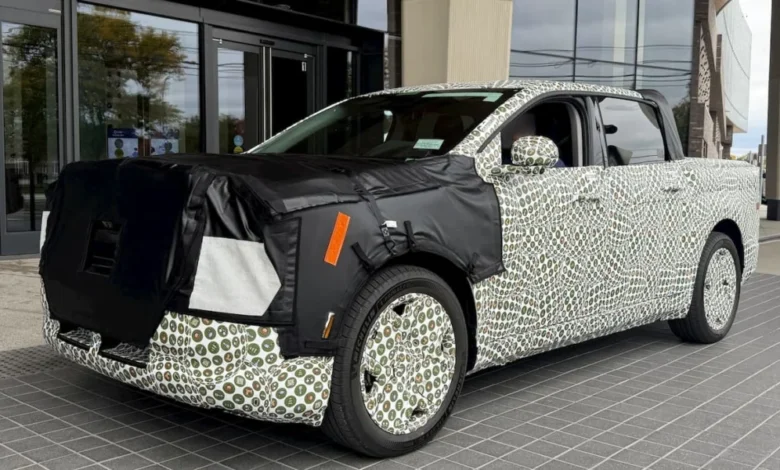
The automotive landscape is on the brink of a major shift as legacy automakers strive to bridge the affordability gap that has long hindered mass electric vehicle adoption. Ford Motor Company has firmly positioned itself at the forefront of this movement with its latest upcoming vehicle: the Ford Fathom. Slated to officially hit the market in the fourth quarter of 2027, this midsize electric pickup is designed to challenge perceptions of what an entry-level electric vehicle can achieve. With a baseline Manufacturer’s Suggested Retail Price (MSRP) of $28,350—even when factoring in a $1,595 delivery fee, staying comfortably below the $30,000 threshold—the Fathom represents a radical departure from the traditionally expensive paradigm of electric truck ownership.
As legacy manufacturers scramble to compete with low-cost global competitors and shifting consumer demands, Ford’s aggressive pricing strategy highlights a calculated gamble on high-volume production, innovative vehicle architecture, and software monetization. During the company’s third-quarter earnings call, executives provided a comprehensive look at the Fathom’s development, confirming that the vehicle remains firmly on schedule for commercial rollout.
Groundbreaking Engineering and Cost-Saving Architecture
The financial viability of a sub-$30,000 electric pickup truck relies entirely on manufacturing efficiency and structural innovation. To achieve its aggressive pricing strategy, the Ford Fathom is engineered from the ground up as the premier vehicle utilizing the company’s newly minted Universal Electric Vehicle (UEV) platform. Unlike earlier electric models that adapted internal combustion engine architectures or built heavy, costly platforms akin to full-size trucks, the UEV framework was designed explicitly for scalability, cost reduction, and optimized spatial layout.
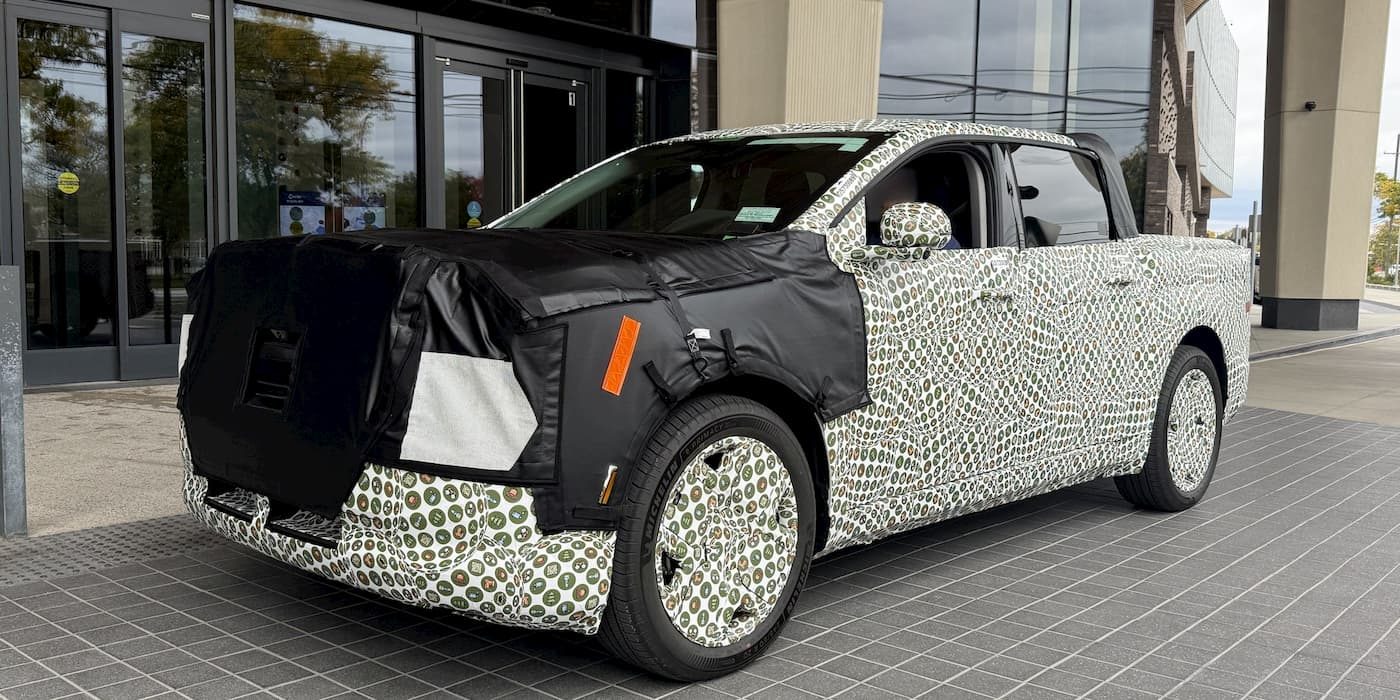
Central to this cost-reduction strategy is the implementation of a zonal electrical architecture paired with a robust 48-volt system. Traditional automotive wiring harnesses are heavy, expensive to manufacture, and complex to install. By shifting to a zonal architecture, Ford has drastically reduced the length of copper wiring required throughout the vehicle, yielding significant savings in both material costs and vehicle weight. This lighter framework directly enhances overall energy efficiency, helping the standard-range model maximize its battery capacity without requiring an excessively large and expensive battery pack.
Furthermore, the Fathom incorporates advanced bidirectional charging capabilities. Beyond serving purely as a mode of transportation, the vehicle can function as an integrated power source. Owners will have the ability to power their homes during electrical grid outages or offset daily household energy consumption by utilizing the truck’s battery during peak utility pricing hours. This dual functionality transforms the Fathom from a mere utility vehicle into a mobile energy storage asset, adding substantial value for cost-conscious consumers.
Executive Perspectives and Early Prototype Impressions
Confidence among Ford’s leadership appears exceptionally high as the vehicle approaches its pre-order window in early 2027. Speaking to investors and analysts during the Q3 earnings presentation, Ford CEO Jim Farley shared his firsthand impressions after getting behind the wheel of a pre-production prototype.
"The 0 to 60 mph acceleration, the huge room inside, and the hands-free, ADAS experience was like something I’ve never experienced," Farley remarked, describing the vehicle as a "breakthrough product." He emphasized that the combination of a sub-$30,000 starting price and a remarkably low cost of ownership aligns precisely with current consumer pain points in a high-inflation economic climate.

Andrew Frick, president of Ford Model e, offered additional clarity regarding the pricing structure across the vehicle lineup during the earnings briefing. While the base standard-range model sets the floor at $28,350, the broader lineup will feature various trim levels stretching into the high $30,000 range.
"The starting price of $28,350 is just that," Frick stated. "We’ll have a range that goes to the high $30,000 range. And we’ll have a couple of different offerings within that." While specific details regarding trim packages, extended-range battery options, and specialized packages remain tightly under wraps, Ford has indicated that more granular product information will be shared closer to the official commercial launch.
Digital Ecosystems and Long-Term Subscription Strategies
While capturing market share through low initial hardware costs is a primary objective, Ford is simultaneously laying the groundwork for sustainable, long-term revenue streams through digital services and in-car software integration.
A cornerstone of the Fathom’s user experience is its native integration of Apple Maps into the central infotainment architecture. According to executive leadership, embedded mapping tailored specifically for electric vehicle routing serves as a pivotal feature, mitigating range anxiety and optimizing long-distance travel. Farley characterized this digital integration as a "game changer" for an entry-level vehicle, identifying the long-term software and subscription ecosystem as the primary vehicle for future upsell opportunities.

Despite the vehicle’s low price point, Ford has elected not to compromise on modern driver-assistance technology. Every Fathom model will be BlueCruise-capable, allowing for sustained, hands-free highway driving under designated conditions. Additionally, the truck will retain native support for Apple CarPlay and Android Auto, ensuring that buyers across all trim levels maintain seamless access to their preferred mobile applications.
The interior layout promises to maximize interior volume by leveraging the spatial efficiencies unique to dedicated electric platforms. Ford has asserted that the midsize pickup will offer superior interior passenger space compared to widely popular compact and midsize utility vehicles like the Toyota RAV4. This spacious cabin layout is complemented by an expansive front trunk (frunk) and a traditional truck bed, providing versatile cargo capacity that bridges the gap between traditional lifestyle trucks and daily commuter vehicles.
Charging Infrastructure and Ecosystem Compatibility
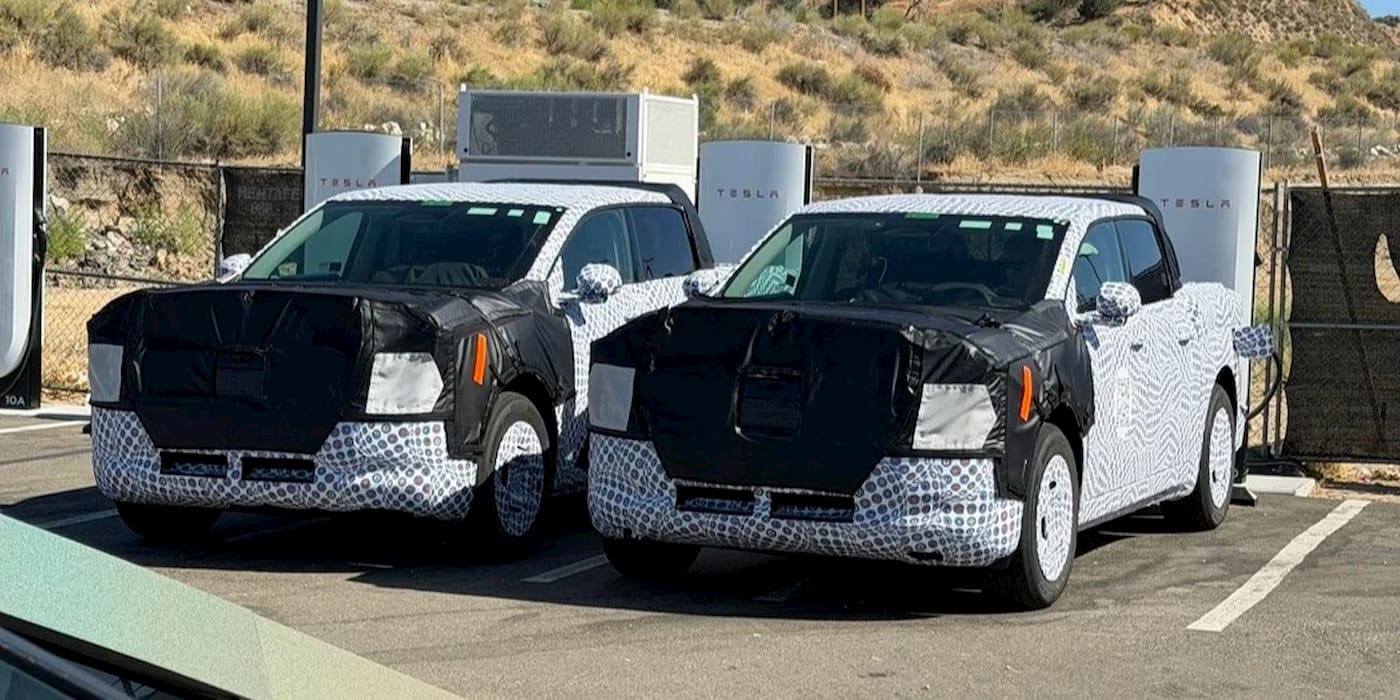
A critical factor for any prospective electric vehicle buyer is the availability and reliability of charging infrastructure. Any lingering doubts regarding the Fathom’s charging standard were effectively put to rest when sharp-eyed automotive enthusiasts spotted a heavily disguised prototype undergoing real-world testing at a Tesla Supercharger station.
By natively adopting the North American Charging Standard (NACS) port, the Fathom will grant owners direct access to Tesla’s sprawling Supercharger network without the immediate necessity of cumbersome adapters. This strategic alignment with the NACS ecosystem significantly enhances the vehicle’s long-distance touring viability, addressing one of the primary historical deterrents for first-time EV buyers.
Competitive Market Analysis and Industry Implications
The introduction of the Ford Fathom arrives at a crucial juncture for the domestic and global automotive industries. For years, consumer advocacy groups and market analysts have pointed out that the average transaction price of new electric vehicles has remained stubbornly high, often pricing out the median American household. While luxury and mid-tier EVs have found steady niches, the sub-$30,000 segment has remained largely devoid of compelling, modern domestic offerings.
By targeting a price point that undercuts many traditional internal combustion engine compact cars and heavily undercuts existing electric SUVs and trucks, Ford is positioning the Fathom to capture a massive demographic of cost-sensitive buyers, municipal fleets, and small business operators.
Furthermore, comparative internal metrics shared by Ford suggest aggressive positioning against both new and used competitors. The company claims that the Fathom will feature a five-year total cost of ownership lower than that of a three-year-old used Tesla Model Y, factoring in depreciation, maintenance, and projected energy expenses. If realized in real-world consumer metrics, this value proposition could accelerate fleet conversions and private adoption rates significantly.
Chronology and Future Outlook
The development and deployment roadmap for the Ford Fathom spans a carefully orchestrated multi-year timeline:

- Summer 2026: Ford officially announces the "Fathom" moniker for its upcoming affordable midsize electric pickup, disclosing the targeted baseline price of $28,350.
- Fall 2026: Prototypes are spotted undergoing intensive public road and charging infrastructure tests, confirming the integration of an NACS charging port. During the Q3 earnings call, CEO Jim Farley shares positive driving impressions and outlines the vehicle’s role as the pioneer of the UEV platform.
- Early 2027: Ford is scheduled to officially open the order books, allowing consumers to secure reservations for the pickup.
- Fourth Quarter 2027: Commercial production ramp-up and initial customer deliveries are slated to commence, marking the official market entry of one of America’s most affordable modern electric trucks.
As the industry moves closer to the 2027 launch window, market observers will closely monitor how competitors respond to Ford’s aggressive pricing architecture. If successful, the Fathom may well establish a new baseline for affordability and technological integration in the North American electric vehicle sector, proving that zero-emission mobility can successfully scale down to the masses without sacrificing modern digital capabilities or utility.
Related posts: