Jaguar Files Trademark for Type 02 Signaling the Next Phase of its High-End Electric Transformation

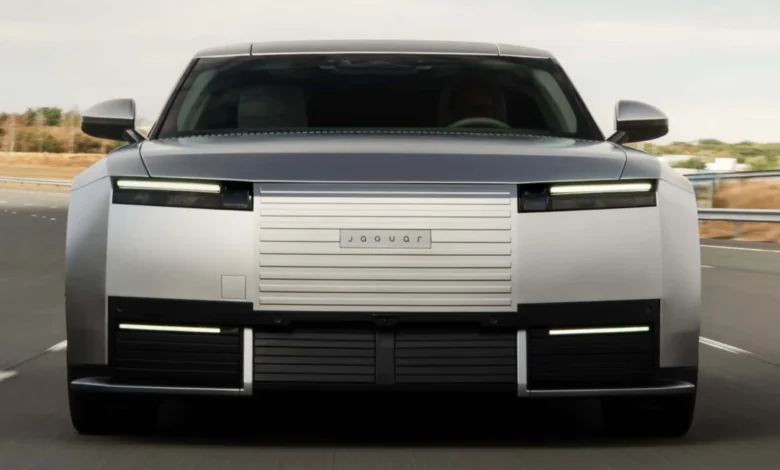
Just over a month after the high-profile unveiling of the Type 01 electric grand tourer, Jaguar has taken a decisive step in its long-term product roadmap by filing a trademark for the "Type 02" designation in the European Union. This administrative maneuver, recently identified by industry analysts at CarMoses.com, provides the clearest indication yet of the British automaker’s strategy to rapidly flesh out its reborn, ultra-luxury portfolio. As Jaguar pivots away from its legacy as a mass-market luxury competitor toward an exclusive, boutique position in the automotive hierarchy, the Type 02 is widely expected to be the catalyst for the brand’s expansion into the high-demand SUV and crossover segment.
A Strategic Pivot Toward Ultra-Luxury
The transition currently underway at Jaguar is perhaps the most radical restructuring of a major legacy automaker in recent history. For years, Jaguar struggled to find a sustainable foothold against the deep-rooted dominance of German titans such as BMW, Mercedes-Benz, and Audi, as well as the specialized performance of Porsche and the reliability-focused luxury of Lexus. The brand’s previous strategy, which relied on high-volume production and aggressive discounting to move units, ultimately diluted the marque’s prestige and profitability.
Under the guidance of parent company JLR (Jaguar Land Rover), the executive team has opted for a "less is more" approach. By abandoning the traditional luxury segment and moving into the ultra-luxury space, Jaguar aims to compete directly with low-volume, high-margin manufacturers like Aston Martin, Bentley, and the top-tier offerings from Mercedes-Maybach. This shift is not merely about styling; it is an fundamental change in the company’s business model. The Type 01, with its starting price of $130,000, marks a massive departure from the 2023 XF sedan, which served as the entry point to the brand at less than $50,000. This $80,000 price hike represents a clear intent to abandon the mainstream executive car market entirely.
The Evolution of the Product Portfolio
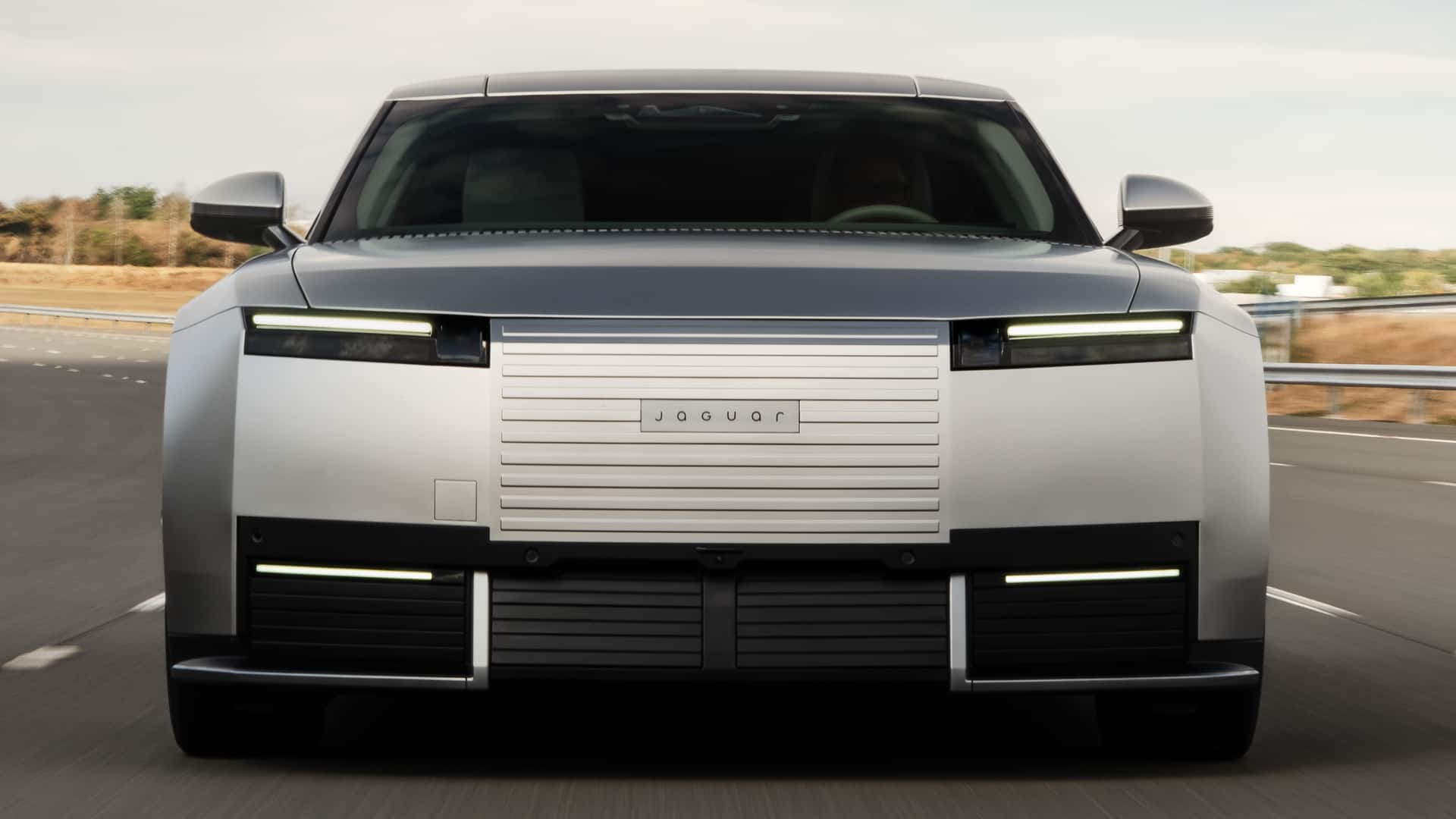
The "Type" nomenclature appears to be the cornerstone of Jaguar’s new identity. By utilizing a numerical sequence rather than the traditional alphanumeric model names of the past, the company is signaling a desire for a clean slate. The Type 01, a four-door grand tourer, was designed to showcase the new "Copy Nothing" philosophy, focusing on sleek, minimalist aesthetics and cutting-edge battery electric vehicle (BEV) architecture.
While Jaguar executives have been tight-lipped regarding the specific body style of the Type 02, the market’s insatiable demand for SUVs makes it the logical successor to the Type 01. According to Rawdon Glover, the managing director of Jaguar, the company’s future models will be designed to cater to "different things for different audiences." This suggests that while the Type 01 serves as a brand-building halo car for enthusiasts and traditional GT buyers, the Type 02 will likely be tasked with driving the sales volume required to sustain the company’s massive investment in its new platform.
If industry trends are any indication, the Type 02 will likely adopt the same design language as the Type 01—characterized by clean lines, a lack of traditional grilles, and a focus on aerodynamic efficiency—but scaled into a more practical, elevated package. This "sleek SUV" profile is a staple of modern luxury, seen in successful products like the Lotus Eletre and the Porsche Cayenne, both of which bridge the gap between high performance and everyday utility.
Chronology of a Reimagined Brand
The path to the Type 02 follows a deliberate timeline established by JLR’s leadership. The journey began with the painful decision to sunset the brand’s entire existing internal combustion engine lineup, a move that left Jaguar without a vehicle to sell for a transitional period.
- 2023: Jaguar completes the final production runs of its legacy internal combustion models, signaling the end of the traditional "Jaguar as we know it" era.
- Late 2024: The company initiates a massive global marketing campaign centered on the "Copy Nothing" mantra, distancing itself from the previous decade of design.
- December 2024: The Jaguar Type 01 is officially unveiled, confirming the brand’s pivot to high-end electric luxury with a $130,000 price point.
- January 2025: The trademark for "Type 02" is filed with the European Union Intellectual Property Office, fueling speculation about the brand’s next move.
- Late 2027 (Expected): First customer deliveries of the Type 01 are slated to begin.
- 2028-2029 (Projected): The debut of the Type 02, followed by a potential third model, likely a flagship luxury sedan.
This timeline reflects a disciplined approach to product launches. By spacing the releases of the Type 01, 02, and an eventual third model, Jaguar is attempting to maintain a consistent media presence while avoiding the pitfalls of over-extending its manufacturing capabilities during the initial ramp-up of its new electric platform.
Market Implications and Competitive Landscape
The decision to move into the $130,000-plus price bracket puts Jaguar in a precarious, yet potentially lucrative, position. In the ultra-luxury segment, brand loyalty is notoriously fickle and heavily reliant on heritage, status, and bespoke service. Jaguar has a significant advantage in terms of historical recognition, but it must now prove that its new electric offerings can match the engineering pedigree of established players like Bentley or the cutting-edge tech of the emerging electric luxury sector.
One of the primary challenges for the Type 02 will be distinguishing itself from the Land Rover side of the JLR house. With Land Rover occupying the off-road luxury space, Jaguar must ensure that the Type 02 remains distinct—focused on road-going performance, luxury, and aesthetics—to avoid cannibalizing sales from its sister brand. The "crossover" nature of the upcoming vehicle will likely lean heavily into the "Sport" aspect of the traditional SUV definition, emphasizing handling dynamics and high-speed stability over off-road capability.
Furthermore, the shift to a pure-electric strategy is a significant gamble. While the global luxury market is steadily moving toward electrification, the infrastructure and charging speed requirements for a $130,000-plus vehicle are high. Potential owners will expect not only class-leading aesthetics but also superior range, rapid charging, and an intuitive software interface—all areas where traditional luxury manufacturers have historically struggled.
Official Responses and Future Outlook
While official press releases from Jaguar remain focused on the design aesthetics of the new era, internal reports suggest a high level of confidence among the leadership team. Managing Director Rawdon Glover has emphasized that the new portfolio is designed to create a "portfolio of different things for different audiences," implying that the company is not looking for mass-market ubiquity, but rather a curated selection of vehicles that appeal to the discerning buyer who values exclusivity.
The move to trademark "Type 02" is a routine, albeit telling, step in the corporate cycle. By securing the name early, the company prevents competitors from leveraging the nomenclature and provides a focal point for internal development teams. As the automotive industry shifts toward a software-defined, electric-first future, the success of the Type 01 and the anticipated Type 02 will serve as a bellwether for whether a historic brand can truly reinvent itself from the ground up.
As it stands, the automotive world waits to see if Jaguar’s "Copy Nothing" philosophy will result in a sustainable future. The company has essentially cleared the board and started a new game. With the Type 01 representing the opening move, the Type 02 is poised to be the pivotal piece that determines whether Jaguar’s grand experiment in ultra-luxury electric motoring will lead to a successful resurgence or remain a niche, albeit beautiful, footnote in the history of the British automotive industry. Regardless of the outcome, the filing of the Type 02 trademark proves that the company is committed to its long-term vision, moving forward with a sense of urgency that has been absent from the brand for decades.