The pursuit of human space exploration requires rigorous preparation on Earth, and for four researchers known as the SEA STAR crew, the path to Mars began 22 feet beneath the surface of the Atlantic Ocean. Spending five days in the confined, pressurized environment of the Jules’ Undersea Lab near Key Largo, Florida, the crew conducted a high-fidelity simulation designed to mirror the psychological and physiological rigors of long-duration spaceflight. This mission, led by astrobiologist and veteran commander Dr. Michaela Musilova, serves as a critical case study in how terrestrial "analog" environments can provide essential data for future lunar and Martian expeditions.
The Evolution of an Underwater Habitat
The facility now known as the Jules’ Undersea Lab has a storied history that predates its current role as a space-exploration analog. Originally commissioned in the 1970s under the name "La Chalupa," the structure was a marvel of marine engineering. Measuring approximately 60 feet in length and 20 feet in width, the vessel was designed to function as a mobile, submersible habitat. Its primary utility during the mid-20th century was to facilitate saturation diving, allowing researchers and commercial divers to remain at depth for extended periods without the need for repetitive decompression.
The technical brilliance of the design lay in its dual-mode capability: it functioned as a surface-borne barge that could be flooded with water to sink to the seafloor, effectively transforming into an autonomous submarine. Once a mission concluded, the internal ballast could be purged, allowing the habitat to resurface and be towed to a new location. While funding fluctuations eventually curtailed its mobility, leading to its permanent anchoring in the protected waters of Key Largo, the facility’s historical significance remains immense. It has hosted various landmark projects, including NASA-funded studies and missions that shattered endurance records, with some aquanauts spending up to 100 consecutive days in the underwater environment.
Chronology of the SEA STAR Mission
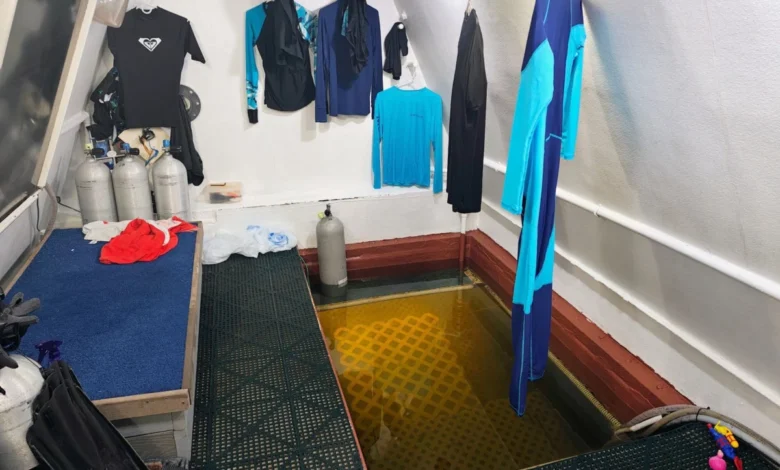
The SEA STAR mission was structured to mimic the operational tempo of the International Space Station (ISS). Upon arrival at the site, the four-person crew transitioned from the surface to the submerged habitat via the "moon pool"—a vertical hatch that serves as the station’s airlock. From the moment the hatch was sealed, the crew operated under a strict mission profile.
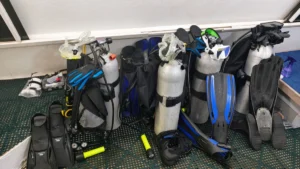
The five-day timeline was characterized by an intense focus on operational discipline. Each day was meticulously scheduled, beginning with morning briefings, followed by specific scientific research objectives, and punctuated by "spacewalks." In the context of the underwater habitat, these were complex scuba-based exploration dives. These excursions allowed the crew to practice technical maintenance, environmental sampling, and the deployment of mock scientific equipment, mirroring the physical exhaustion and precise coordination required of astronauts during extravehicular activities (EVAs).
Physiological and Psychological Pressures
A central focus of the mission was the impact of high-pressure environments on the human body. Because the Jules’ Undersea Lab is submerged at a depth where the ambient pressure is approximately double that of sea level, the human body is subjected to a constant, subtle physiological load. This environment provides a unique biological stressor that can be correlated to the stressors experienced by astronauts, such as fluid shifts and respiratory changes in microgravity.
Dr. Musilova noted that while typical analog missions involve several hours of mandatory daily exercise to combat muscle atrophy, the SEA STAR crew found that the physical demands of the underwater environment itself—combined with the hyperbaric pressure—necessitated a shift in their health protocols. The exhaustion resulting from the "spacewalks" and the cognitive load of living in an isolated, confined environment provided a natural substitute for the rigorous fitness regimens usually required in orbit.
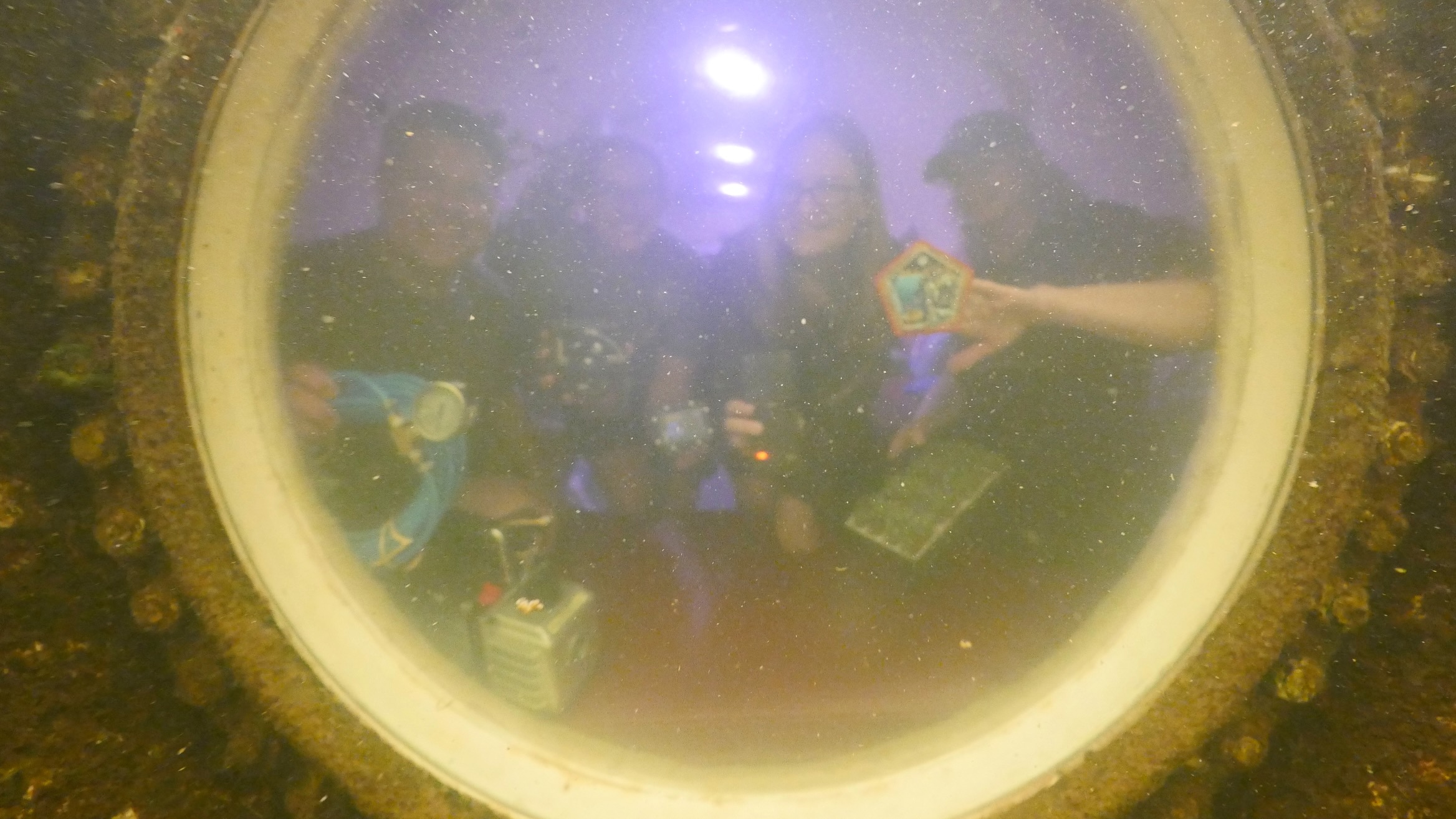
Psychologically, the mission underscored the "Earth-out-of-view" phenomenon. By removing the ability to simply step outside and breathe fresh air, the habitat forced the crew into a mindset of total reliance on life support systems. The visual feedback, consisting of a limited view of the marine environment through three portholes, reinforced the feeling of being on an alien world. This isolation is a critical component of preparing for Mars missions, where the crew will be unable to return to Earth in an emergency.
Technical Infrastructure and Life Support
The safety of the SEA STAR crew relied upon a sophisticated, integrated life support system. The habitat draws power, fresh water, and breathable air through a series of umbilical cables connected to the surface. These systems are the descendants of technologies developed during the early years of the space race, when NASA utilized underwater habitats to test the viability of long-duration, closed-loop life support.
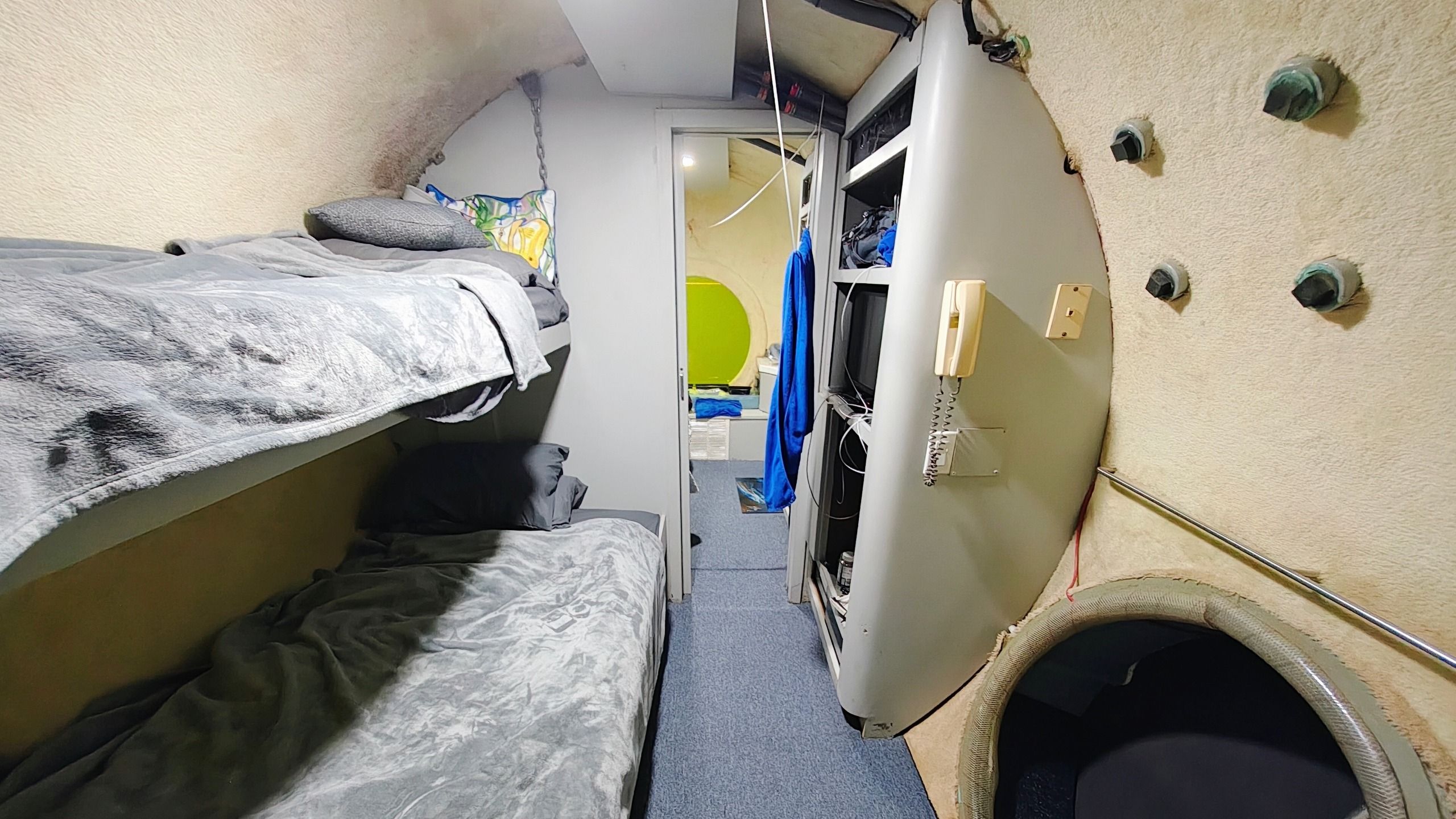
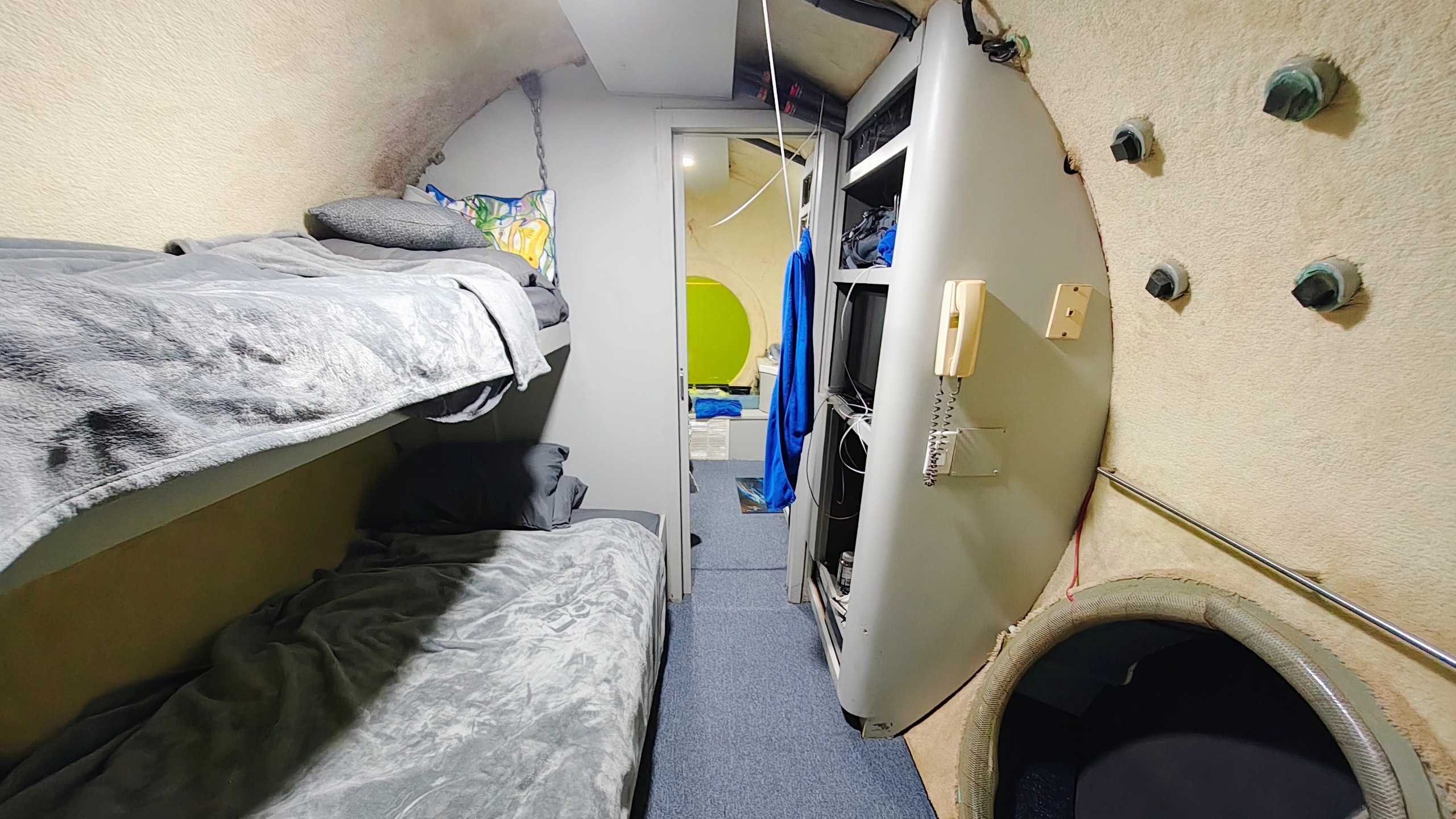
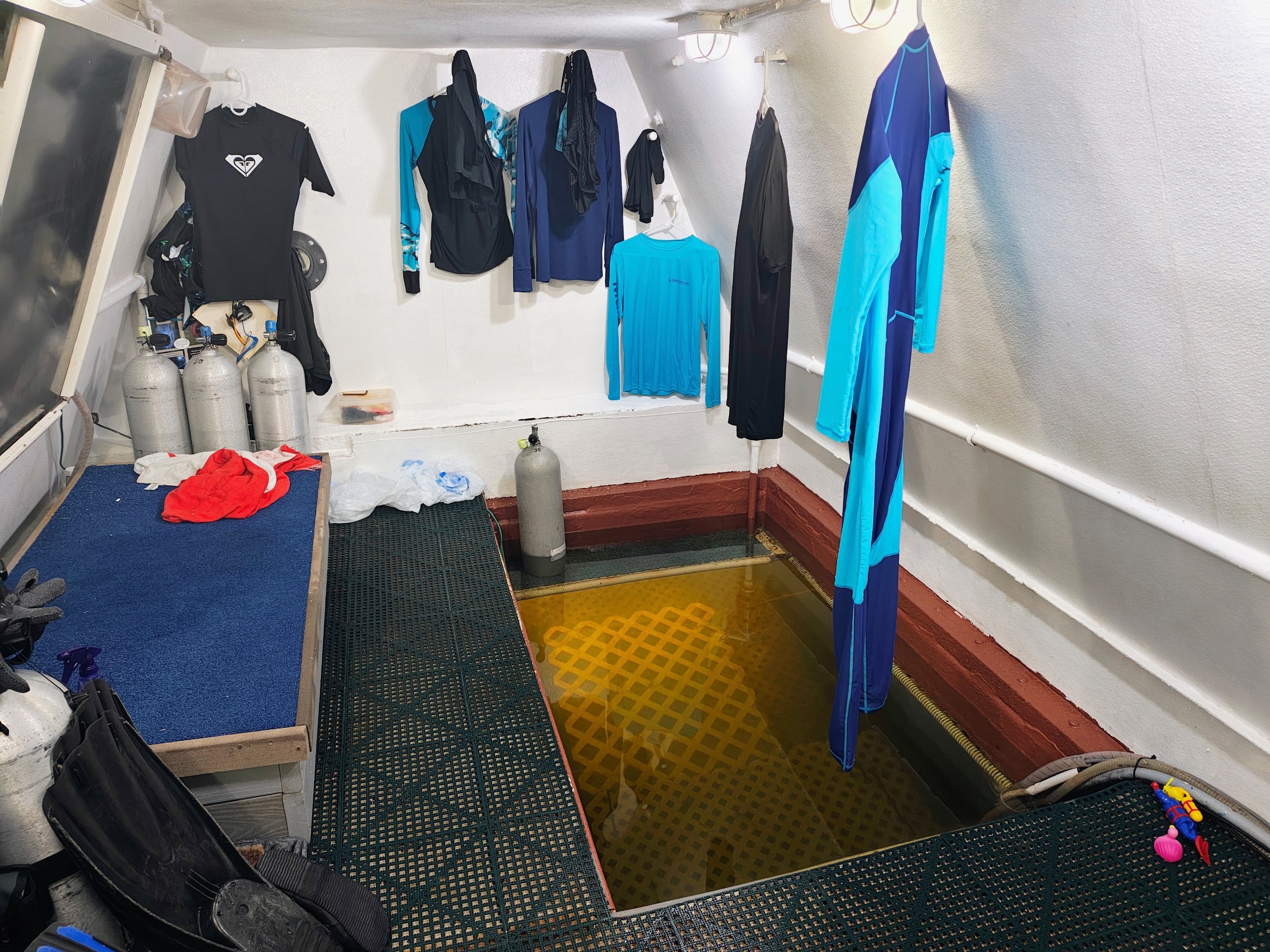
The interior of the lab is divided into functional zones: a galley that serves as the hub for dining and mission planning, a compact sanitation unit, and sleeping quarters. The ability to partition the bunk area into two separate bedrooms offered a crucial, albeit small, amount of personal space, which is essential for maintaining crew morale over time. The "moon pool" area serves as the transition zone, keeping the living quarters dry while allowing immediate access to the surrounding water. The existence of a direct communication line to Mission Control ensured that the simulation remained grounded in reality, with real-time feedback loops and emergency protocols in place.
Implications for Future Space Missions
The data gathered from missions like SEA STAR is invaluable for the global space community. By studying how a small group of individuals manages conflict, maintains scientific productivity, and handles equipment failure in an environment where mistakes can be fatal, agencies like NASA and the European Space Agency (ESA) gain insight into the "human factor" of space travel.
The successful completion of 40 such simulated missions under Dr. Musilova’s command provides a substantial dataset regarding leadership, crew cohesion, and the effectiveness of remote mission control protocols. The analysis of these missions suggests that morale is often sustained by small, manageable comforts—such as the ability to prepare warm, home-cooked meals using a small crock pot. These "small joys" are not merely luxuries; they are psychological buffers against the cumulative stress of extreme isolation.
Furthermore, the Jules’ Undersea Lab continues to prove its worth as a low-cost, high-impact alternative to more expensive space-based testing. While the ISS remains the ultimate laboratory for microgravity research, the high cost and limited access to the station make underwater analogs essential for testing hardware, training personnel, and refining the psychological frameworks necessary for the long-duration transit to Mars.
As humanity looks toward the next generation of lunar bases and the first human footprints on the Martian surface, the lessons learned in the quiet, pressurized depths of Key Largo will undoubtedly inform the architecture of future habitats. The SEA STAR mission serves as a reminder that the challenges of the final frontier are not solely technical; they are fundamentally human. By bridging the gap between the terrestrial and the extraterrestrial, these aquanauts are ensuring that when the time comes for the first true journey to another planet, the crew will be prepared for the silence, the isolation, and the immense responsibility of exploring the unknown.