
Missouri Probes False Report About Screwworm Pest That Hurt Us Cattle Prices
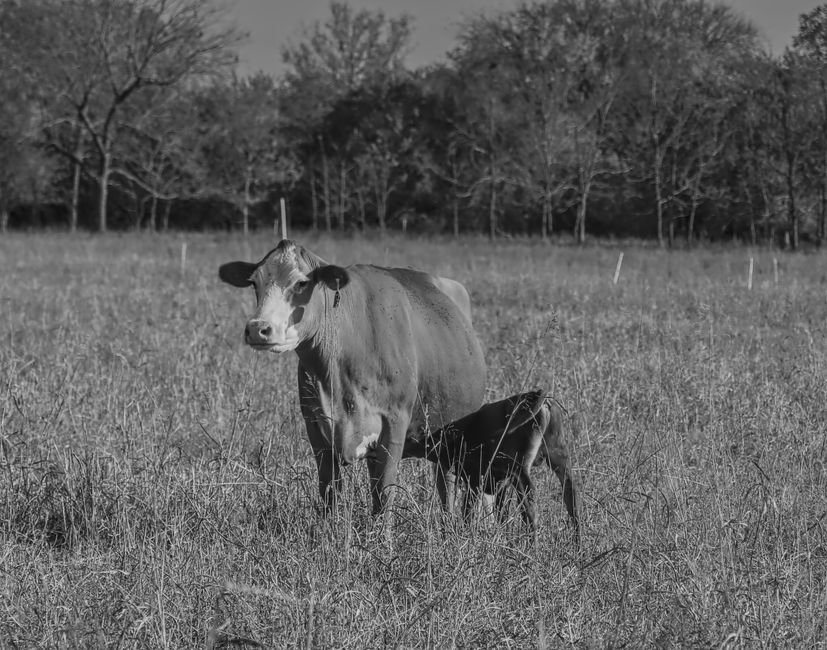
Missouri’s Vigilance: Debunking the False Screwworm Report and Its Ripple Effects on US Cattle Prices
A recent false report concerning the presence of screwworm, a destructive parasitic fly, in Missouri has triggered significant economic repercussions for the United States cattle industry, leading to unjustified dips in market prices and raising critical questions about information dissemination and rapid response protocols. The incident underscores the vulnerability of agricultural markets to misinformation and highlights the crucial role of swift, accurate scientific verification in safeguarding producer livelihoods and maintaining market stability. While the initial report was ultimately debunked by rigorous testing and investigation, the damage to consumer and producer confidence, and the resulting price fluctuations, have been substantial, necessitating a thorough examination of the events, their causes, and their broader implications for animal health surveillance and agricultural economics. The screwworm fly, Cochliomyia hominivorax, is a notorious pest with the potential to cause immense suffering to livestock and significant economic losses. Its larvae feed on the living flesh of warm-blooded animals, including cattle, leading to open wounds, secondary infections, and potentially death if left untreated. The pest was declared eradicated from the United States in 1966 through intensive eradication programs involving sterile insect technique. However, sporadic introductions from Central and South America, where the pest remains endemic, are a persistent concern, demanding constant vigilance and robust diagnostic capabilities.
The catalyst for the recent market disruption was a notification from a veterinarian in southwestern Missouri on September 7, 2023, reporting suspected screwworm larvae found in a wound on a cow. This initial report, while based on a preliminary observation, was swiftly disseminated through agricultural networks and news outlets. The urgency of the situation, given the devastating potential of screwworm, understandably triggered alarm bells across the industry. The U.S. Department of Agriculture’s (USDA) Animal and Plant Health Inspection Service (APHIS) immediately mobilized its resources, initiating a comprehensive investigation to confirm or refute the diagnosis. This involved deploying veterinary entomologists and diagnostic specialists to the affected farm, collecting samples for laboratory analysis, and implementing preliminary containment measures. These measures, standard practice in suspected high-consequence foreign animal disease outbreaks, included movement restrictions on livestock in the immediate vicinity, which, while necessary for containment, further amplified market anxieties.
The economic impact of a confirmed screwworm outbreak in the U.S. would be catastrophic. The cost of treatment, potential animal losses, and the necessary intensive eradication efforts would run into billions of dollars. Furthermore, a confirmed outbreak would likely trigger significant trade restrictions, closing off export markets for U.S. beef and cattle, a crucial component of the agricultural economy. It is this inherent risk, amplified by the historical knowledge of screwworm’s destructive capabilities, that fueled the rapid and severe reaction in the cattle markets. Futures contracts for live cattle, which represent the anticipated price of cattle at a future date, experienced a sharp decline within hours of the initial report. This decline reflected not only the potential immediate economic impact but also the projected long-term consequences of a re-established screwworm population. Producers, facing the specter of potential herd devastation and market closure, began to liquidate cattle prematurely, further depressing prices as supply increased in the short term without corresponding demand shifts.
Fortunately, the swift and thorough investigation by APHIS and its state partners proved the initial report to be a false alarm. Laboratory analysis of the collected samples revealed that the larvae found were not screwworms but rather a common, non-harmful fly species. This scientific conclusion was crucial in stemming the tide of panic. However, the speed at which the false report spread and the magnitude of the market reaction highlighted several critical vulnerabilities. Firstly, the reliance on rapid, often unverified, information sharing in the digital age means that even a single, potentially erroneous, observation can have widespread and immediate economic consequences. Social media, agricultural forums, and even mainstream news outlets can quickly amplify such reports before definitive scientific validation is available. This necessitates a paradigm shift in how agricultural disease information is disseminated and verified.
The incident also underscored the importance of robust and accessible diagnostic capabilities. While the USDA’s laboratories are highly sophisticated, the time lag between sample collection and definitive results, however short, can be enough to trigger significant market volatility. Continued investment in state-of-the-art diagnostic tools and rapid testing methodologies is paramount to minimize this lag. Furthermore, enhanced surveillance programs, including regular testing of potential disease indicators and training for veterinary professionals in recognizing and reporting unusual findings, are essential proactive measures. The promptness with which APHIS responded to the initial report, while ultimately confirming its falsity, demonstrates the existing infrastructure for dealing with potential foreign animal disease incursions. However, the market’s overreaction suggests a need for improved communication strategies to manage public and industry perceptions during such events.
The economic fallout from the false screwworm report, though temporary, serves as a stark reminder of the interconnectedness of animal health and agricultural markets. The cattle industry operates on tight margins, and even minor price fluctuations can have a significant impact on producer profitability. The immediate drop in cattle prices, even before the report was definitively debunked, meant that producers who sold cattle during that period received lower returns. The subsequent recovery, while welcome, did not fully compensate for the initial losses and the uncertainty created. Furthermore, the psychological impact on producers, facing the constant threat of disease and market volatility, cannot be underestimated. This incident could lead to increased producer anxiety and potentially affect long-term investment decisions within the industry.
Addressing the systemic issues exposed by this false alarm requires a multi-pronged approach. Firstly, strengthening communication channels between regulatory agencies, veterinary professionals, and agricultural stakeholders is crucial. Establishing clear protocols for reporting and disseminating information about potential disease threats, emphasizing the importance of verification before widespread distribution, is essential. This could involve dedicated hotlines, secure online platforms for information sharing, and regular training for those on the front lines of animal health surveillance. Secondly, fostering greater public and industry understanding of animal disease risks and the scientific processes involved in their management is vital. Educating producers and the general public about the rarity of screwworm in the U.S., the effectiveness of eradication programs, and the scientific rigor behind diagnostic testing can help mitigate overreactions to unsubstantiated reports.
Moreover, this event highlights the need for a more sophisticated approach to agricultural risk management. While speculative markets play a vital role in price discovery, they also exhibit a sensitivity to news and information that can be exploited or amplified by misinformation. Exploring mechanisms that can buffer agricultural markets against such rapid and extreme reactions, perhaps through enhanced information verification processes or more transparent communication from regulatory bodies during initial stages of investigation, warrants consideration. The USDA and other relevant agencies need to continuously refine their communication strategies to provide timely, accurate, and contextually appropriate information during animal health emergencies. Transparency about the investigation process, even when initial findings are tentative, can help build trust and manage market expectations.
The economic implications extend beyond immediate price drops. The heightened perception of risk, even if unfounded, can influence long-term investment decisions. Ranchers might become more hesitant to expand herds or invest in new infrastructure if they perceive a heightened threat of disease outbreaks, even if those threats are based on false reports. This can have a ripple effect on the entire agricultural value chain, from feed suppliers to processing plants. The cost of implementing enhanced biosecurity measures, while important, also adds to producer expenses. Therefore, a false alarm, even without a confirmed outbreak, can still impose tangible economic burdens on the industry through increased vigilance and precautionary spending.
In conclusion, the false screwworm report in Missouri serves as a critical case study in the intersection of animal health, information dissemination, and agricultural economics. While the scientific community and regulatory agencies swiftly debunked the initial claim, the incident exposed the fragility of market stability in the face of rapid and often unverified information. The U.S. cattle industry, a vital contributor to the national economy, experienced tangible economic losses due to unwarranted price declines and increased producer anxiety. Moving forward, a concerted effort is required to strengthen diagnostic capabilities, enhance communication protocols, promote scientific literacy within the agricultural community, and develop more resilient risk management strategies. By learning from this experience, the industry can better safeguard itself against future misinformation, protect producer livelihoods, and ensure the continued health and prosperity of American agriculture. The focus must remain on robust scientific evidence, transparent communication, and proactive collaboration to navigate the complex landscape of animal health and agricultural markets, ensuring that unfounded fears do not dictate the economic realities faced by dedicated producers.
