SpaceX Is So Confident In Its New Starship Rocket That It’s No Longer Taking Reservations For The Dependable Falcon 9

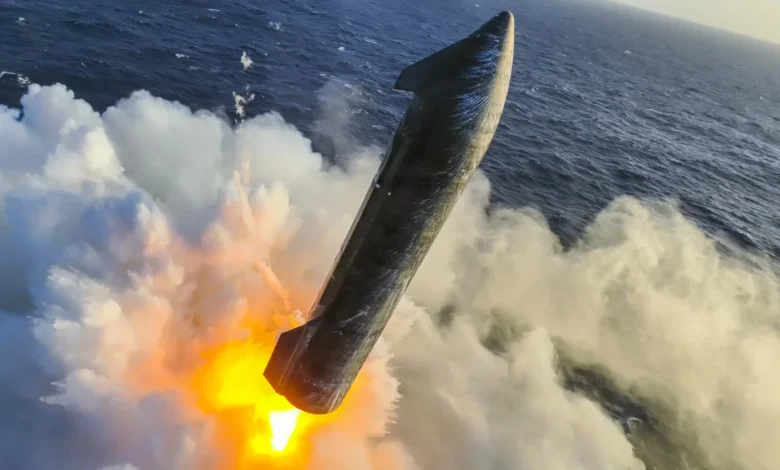
The aerospace industry is currently grappling with a seismic shift in orbital logistics as SpaceX, the dominant force in global launch services, has reportedly ceased accepting new reservation requests for its Falcon 9 launch vehicle beyond the year 2028. This move, confirmed by multiple industry insiders and government contractors, marks the beginning of the end for a rocket that has redefined modern spaceflight. SpaceX’s internal strategy relies on the assumption that its next-generation heavy-lift vehicle, Starship, will be fully operational, certified, and capable of assuming the entire workload currently handled by the Falcon 9 within the next four years.
The Falcon 9 Legacy and Global Launch Dominance
To understand the magnitude of this decision, one must look at the data from 2025, a landmark year for SpaceX. During this twelve-month period, the Falcon 9 was responsible for nearly 50 percent of all orbital launches conducted globally. With 165 successful missions and a near-perfect recovery rate, the Falcon 9 effectively democratized access to space. By perfecting the art of the reusable first-stage booster, SpaceX significantly lowered the cost-per-kilogram of payload, fostering a new commercial landscape.
Small-scale satellite operators, research institutions, and nascent technology startups have thrived under the Falcon 9’s frequent launch cadence. Through "rideshare" programs, where multiple payloads are integrated into a single mission, the barrier to entry for space-based infrastructure was lowered from hundreds of millions of dollars to a fraction of that cost. The retirement of such a prolific system creates a vacuum that currently no other single launch vehicle is prepared to fill.
Strategic Rationale: The Musk Doctrine
SpaceX CEO Elon Musk has been transparent about the company’s pivot toward a "Starship-only" future. Musk has stated that once Starship achieves the reliability required for multiple flights per week, the company intends to shift its "super scarce" engineering and production resources toward the new platform. The goal is to reach a launch cadence of several missions per day.
From a corporate engineering perspective, this is a logical optimization of capital and labor. Maintaining two distinct launch systems requires massive parallel infrastructure, redundant supply chains, and divided technical focus. By consolidating all efforts into the Starship program, SpaceX aims to achieve economies of scale that are currently impossible. However, the timeline of 2028 is viewed by many analysts as aggressive, bordering on optimistic, given the complexity of the systems involved.
The Lunar Connection: The Artemis Timeline
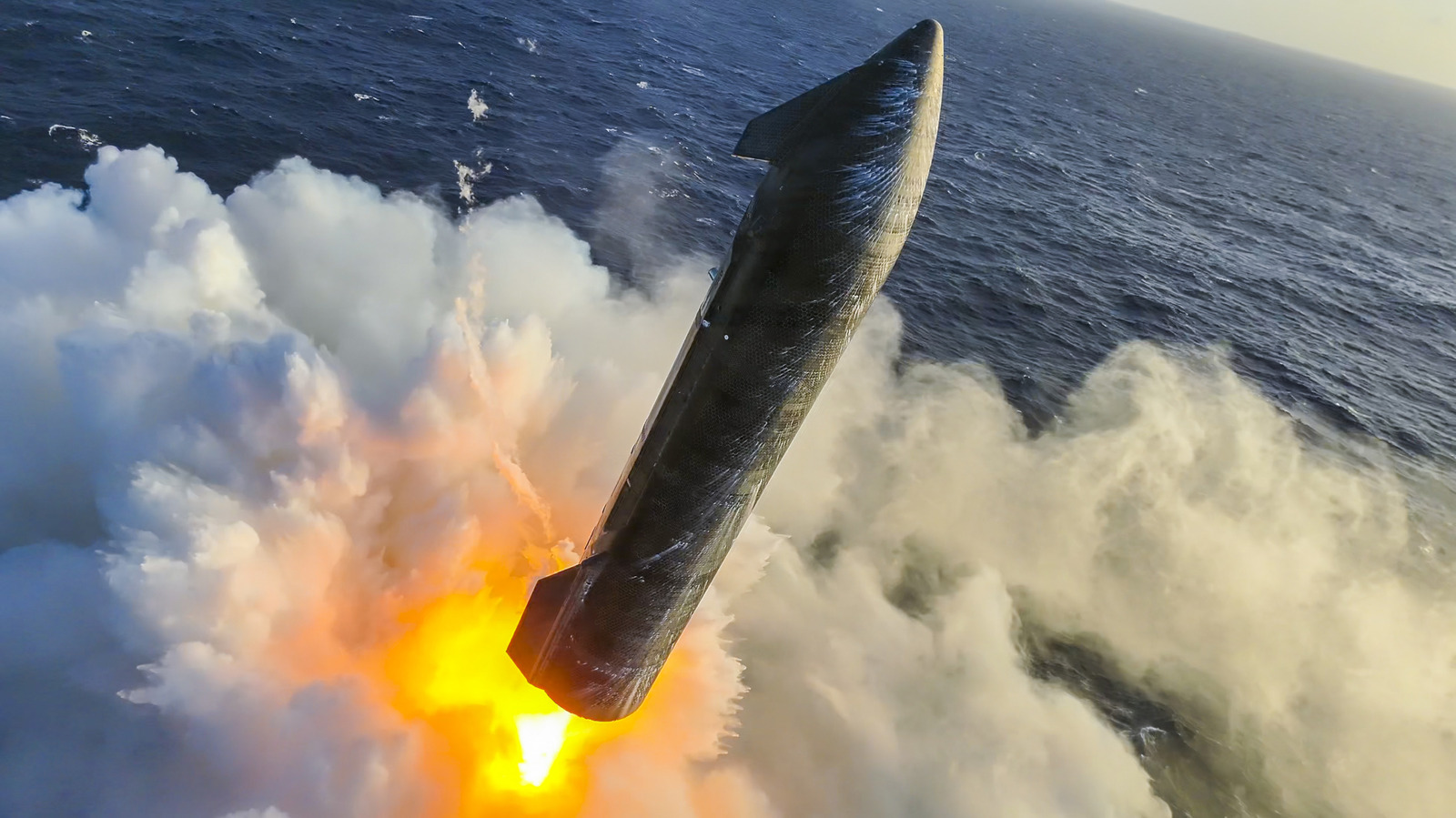
The 2028 cutoff date for Falcon 9 reservations is not arbitrary; it is inextricably linked to the National Aeronautics and Space Administration (NASA) Artemis program. Under the current contractual framework, SpaceX is tasked with providing the Human Landing System (HLS) for the Artemis III and subsequent missions.
The complexity of the mission profile is profound. It requires the Starship HLS to perform multiple on-orbit cryogenic propellant transfers—a process that has yet to be demonstrated in a real-world environment. Specifically, the vehicle must be refueled up to 15 times while in Earth orbit before it can depart for a rendezvous with the Orion crew capsule in lunar orbit. Because the lunar landing contract is tethered to the 2028 window, SpaceX is essentially betting its future on the successful completion of these orbital maneuvers by that date.
If Starship fails to meet these milestones, the entire U.S. strategy for returning to the Moon—and the geopolitical goal of outpacing rival space programs—would be thrown into uncertainty. By cutting off Falcon 9 availability, SpaceX is sending an unequivocal signal to its stakeholders and the federal government: the company is fully committed to the Starship roadmap, forcing the hand of its partners to adapt to the new launch architecture.
The "Space Crunch" and the ISS Dilemma
The impending phase-out of the Falcon 9 has raised concerns regarding a potential "space crunch." While Starship is designed for massive payloads, the industry relies on a tiered system of rockets for various mission profiles. Small-sat constellations and low-Earth orbit (LEO) experiments may not require the massive lift capacity of Starship, leading to concerns about cost-efficiency and flight availability.
Furthermore, the International Space Station (ISS) remains a critical variable. Current projections suggest the ISS could remain operational through 2032. If the Falcon 9 is retired in 2028, and Starship is not configured or certified for human-rated docking at the station, NASA will face a four-year gap in logistics. While entities like Boeing’s Starliner or the Russian Soyuz platform are potential, albeit limited, alternatives, the sudden absence of the Falcon 9 would be a significant blow to the reliability of ISS resupply missions.
Competitive Analysis and Industry Reaction
The aerospace sector is reacting with a mix of apprehension and competitive ambition. Rocket manufacturers across the globe are monitoring the situation to see if they can capture the market share left behind by the Falcon 9. However, the sheer frequency of SpaceX’s launch cycle—the "Falcon cadence"—is something that competitors like Blue Origin, Rocket Lab, and Arianespace have struggled to match.

NASA has already taken steps to diversify its launch options, evidenced by the reopening of lunar lander contracts to include companies like Blue Origin. This move serves as a hedge against the risk that Starship may not be ready to meet the 2028 deadline. The agency’s stance reflects a growing realization that relying on a single provider, no matter how successful, creates systemic risk for the entire American space enterprise.
Technical Hurdles and Future Outlook
The technical challenges facing Starship are non-trivial. The vehicle is currently in the prototype and testing phase, with critical orbital flight demonstrations still scheduled for late 2024 and beyond. Issues such as heat shield durability, orbital refueling mechanics, and rapid reusability remain the primary hurdles to achieving the flight frequency envisioned by SpaceX.
Industry analysts emphasize that while SpaceX has a history of defying expectations, the regulatory and technical hurdles of a fully reusable super-heavy launch vehicle are vastly different from the more mature Falcon 9 platform. The decision to stop taking reservations for the Falcon 9 is therefore as much a psychological move as it is a tactical one. It forces the industry to accept the inevitable transition and prevents the company from being tethered to "legacy" support requirements as it enters its next phase of development.
Conclusion: A Pivot Point for Humanity
As the 2028 deadline approaches, the global space community stands at a crossroads. The Falcon 9 has been the engine of a decade of unparalleled growth in space exploration, commercial telecommunications, and national security capabilities. Moving away from this vehicle is a risk that underscores the high-stakes nature of the new space race.
Whether Starship succeeds in replacing the Falcon 9 in the allotted timeframe remains one of the most significant questions in modern aerospace engineering. If successful, it will unlock capabilities—such as massive orbital construction and deep-space colonization—that are currently confined to the realm of science fiction. If the transition proves more difficult than anticipated, however, the industry may face a period of diminished access to orbit, highlighting the dangers of relying on a single corporate entity to drive the future of human exploration. For now, the countdown to 2028 has begun, and with it, the pressure on SpaceX to ensure that the future of space is not just reachable, but reliable.