NASA Initiates New Perseverance Sample Retrieval Architecture to Secure Mars Specimens for Earth Return

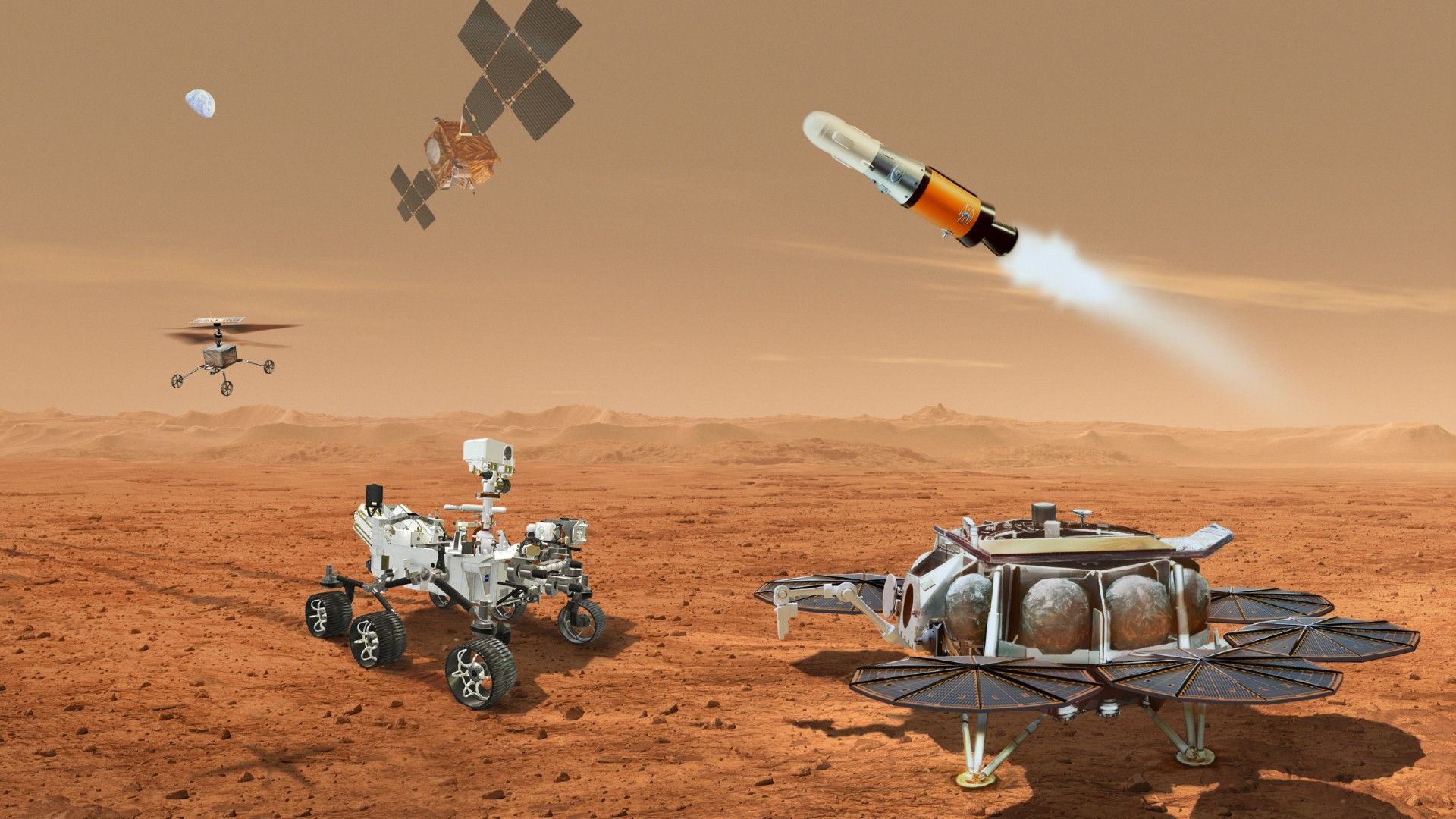
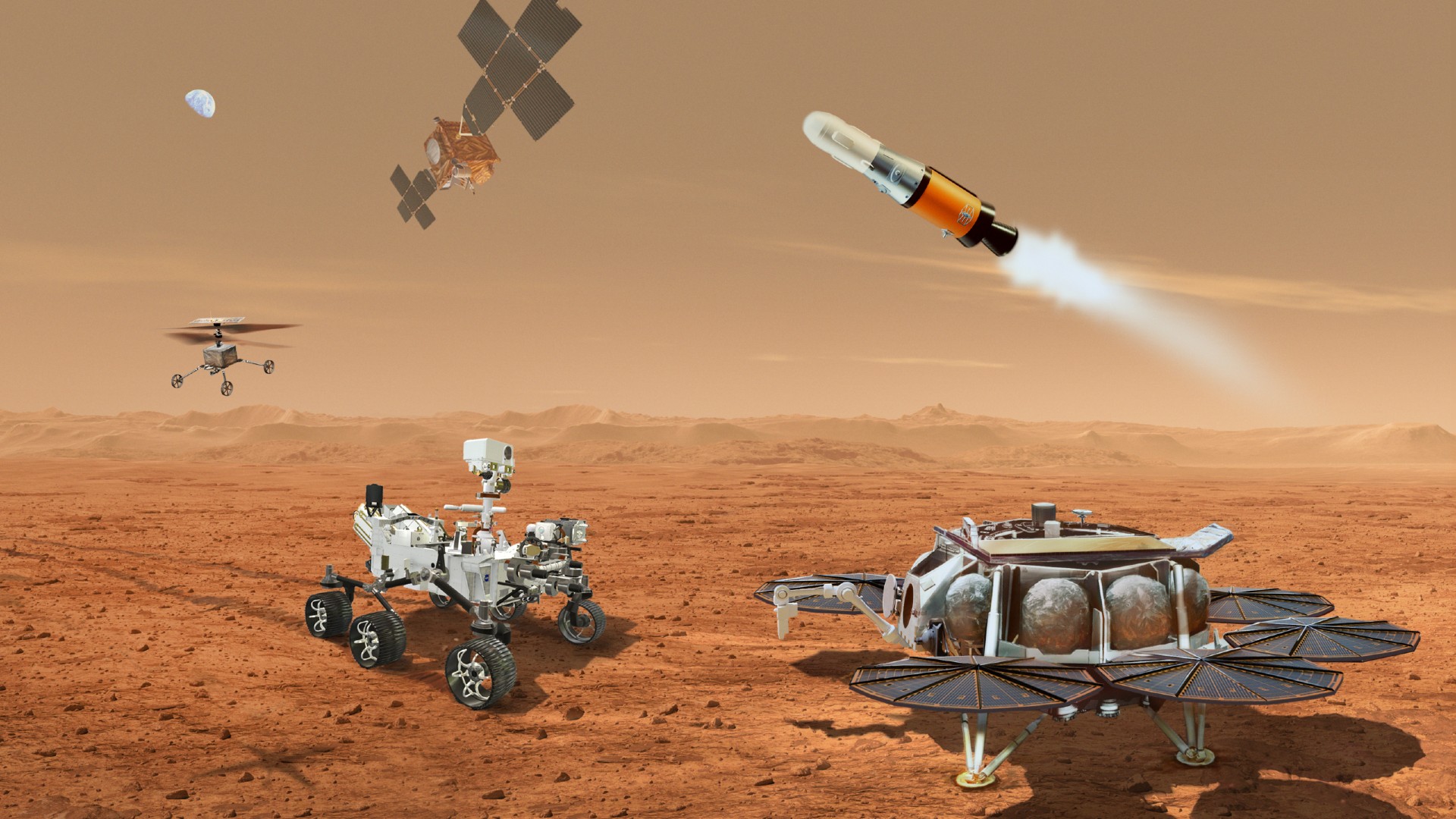
The National Aeronautics and Space Administration (NASA) has officially launched a renewed strategic initiative aimed at overcoming the logistical and financial hurdles that have long hampered the Mars Sample Return (MSR) program. Known as the Perseverance Sample Retrieval Architecture (PSRA), this latest framework represents a pivotal shift in how the agency intends to collect, consolidate, and transport geological and atmospheric specimens currently being curated by the Perseverance rover on the Martian surface. The announcement, delivered by Tiffany Morgan, director of the NASA Mars Exploration Program (MEP), during a virtual session of the Mars Exploration Program Analysis Group (MEPAG) on November 9, signals a recalibration of mission architecture following years of independent reviews and internal budget reappraisals.
The PSRA initiative is designed to be a comprehensive roadmap that addresses the technical complexities of a multi-stage mission. NASA plans to initiate a formal strategy team kickoff in January 2027, with the objective of delivering a finalized architectural report by the winter of 2027-2028. This timeline suggests a deliberate, methodical approach intended to ensure that the next iteration of the MSR program avoids the systemic cost overruns and schedule delays that characterized earlier proposals.
The Scientific Imperative and the Perseverance Legacy
Since its touchdown in Jezero Crater in February 2021, the Perseverance rover—a sophisticated, car-sized robotic laboratory—has served as the vanguard of Mars exploration. Its primary mission involves identifying and sampling ancient deltaic environments that may have once harbored conditions suitable for microbial life. To date, the rover has meticulously collected a diverse array of rock cores and regolith samples, sealing them in titanium-alloy tubes.
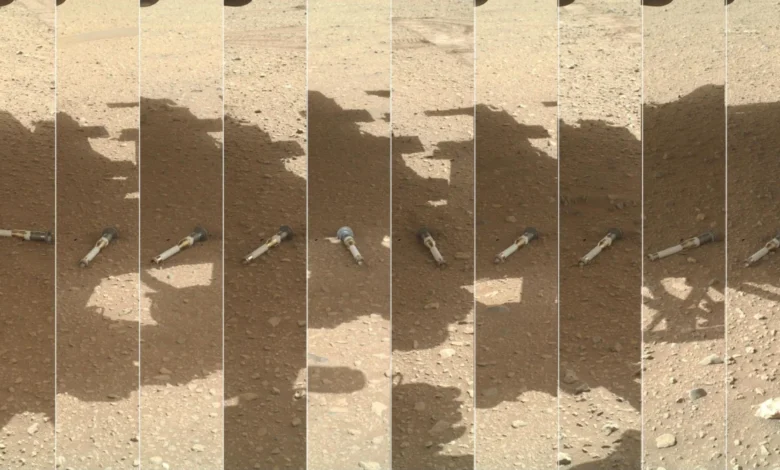
These samples represent a significant scientific investment. Some have been deposited in a centralized cache at a site known as "Three Forks," while others remain housed within the rover’s chassis. The intent is to provide planetary scientists with the unprecedented opportunity to examine Martian materials using high-fidelity laboratory equipment on Earth—instruments far too bulky and power-intensive to ever be deployed to the Red Planet. By analyzing these samples, researchers hope to resolve fundamental questions regarding the history of water on Mars, the potential for past biological activity, and the geochemical evolution of the planet’s crust.
Financial Hurdles and the Quest for Sustainability
The previous iterations of the Mars Sample Return program faced intense scrutiny, primarily due to ballooning costs and shifting timelines. Independent review boards tasked with assessing the feasibility of the mission raised alarms when projected costs climbed toward $11 billion, with a potential return date as late as 2040. For the NASA leadership, these figures were deemed unsustainable, prompting a temporary freeze and a fundamental re-evaluation of the mission’s architecture.
Subsequent appraisals by industry experts and internal NASA teams explored more streamlined alternatives. Some proposals suggested that a "ship-and-shoot" architecture—focusing on a more direct retrieval sequence—could potentially return samples to Earth by 2035 at a reduced cost of approximately $8 billion. The PSRA initiative is expected to synthesize these findings, balancing fiscal responsibility with the high-stakes requirement of ensuring mission success. The challenge lies in developing a system that is robust enough to survive the harsh environment of Mars while remaining lean enough to fit within a constrained federal budget.
Human Exploration and Risk Mitigation
While the primary drive for MSR is scientific discovery, the program has increasingly been viewed through the lens of human exploration. During the recent MEPAG meeting, Dr. Bruce Jakosky of the Laboratory for Atmospheric and Space Physics at the University of Colorado Boulder emphasized that the return of these samples is vital for the safety of future human crews.
The rationale for robotic retrieval before human arrival is largely risk-based. Martian soil is known to contain perchlorates and chloromethanes, chemical compounds that could be hazardous to human health if ingested or inhaled. Furthermore, the fine, abrasive dust that characterizes the Martian surface poses a significant mechanical threat to life-support systems, air filtration units, and pressurized habitats. By retrieving samples now, scientists can characterize the toxicity and physical properties of the Martian regolith in terrestrial labs, allowing engineers to design more effective protective measures for the first astronauts to set foot on the planet.
Jakosky and his colleagues have highlighted that a robotic return mission provides a "proof of concept" for the entire sequence of operations that a human crew would eventually need to master: landing on Mars, operating a launch vehicle from the surface, and navigating a rendezvous in orbit. These steps are considered the most dangerous aspects of a human mission, and testing them with unmanned assets serves as a critical risk-reduction strategy.
The Global Competitive Landscape: The Rise of Tianwen-3
NASA’s renewed vigor regarding MSR is further underscored by the rapid progress of China’s national space program. The China National Space Administration (CNSA) is currently moving forward with its Tianwen-3 mission, an ambitious endeavor that aims to bring approximately 500 grams of Martian material back to Earth.
According to CNSA documentation, the Tianwen-3 architecture consists of a sophisticated suite of hardware: a lander to reach the surface, an ascender to carry the samples back into orbit, a service capsule, an orbiter for transit, and an Earth reentry module. China is reportedly planning to launch this mission around 2028, utilizing two Long March-5 heavy-lift rockets from the Wenchang Space Launch Site. If the mission proceeds as planned, China could potentially secure a successful sample return as early as 2031. This timeline has introduced a competitive dynamic to the global space race, framing the return of Mars samples as not just a scientific milestone, but a demonstration of national technical prowess.
Technical and Operational Challenges
The path forward for the PSRA will be fraught with technical hurdles. The architecture must account for the harsh thermal environment of Mars, which can cause mechanical fatigue in sensitive components. Furthermore, the return flight requires complex orbital mechanics, including a high-velocity injection from the Martian surface into a precise trajectory toward Earth.
The PSRA strategy team will need to evaluate several core components:
- The Retrieval Vehicle: The design of a craft capable of landing in the vicinity of the Jezero Crater or the Three Forks cache and safely recovering the samples.
- Launch Infrastructure: The development of a reliable Mars Ascent Vehicle (MAV) capable of launching from the surface—an unprecedented feat of engineering.
- Orbital Rendezvous: The precise capture of the sample container in Martian orbit, requiring sophisticated autonomous navigation.
- Planetary Protection: Ensuring that any biological matter (or analogs) brought back to Earth is contained within a "break-the-chain" seal, adhering to international planetary protection protocols to prevent forward or backward contamination.
Broader Implications and Future Outlook
The decision to establish the PSRA signifies that NASA remains committed to the long-term goal of sample return, even in an era of heightened fiscal discipline. The agency is clearly positioning the program as an essential bridge between current robotic reconnaissance and future human exploration. By treating the sample return mission as a foundational element of its broader Mars architecture, NASA aims to secure the political and budgetary support necessary to see the project through to completion.
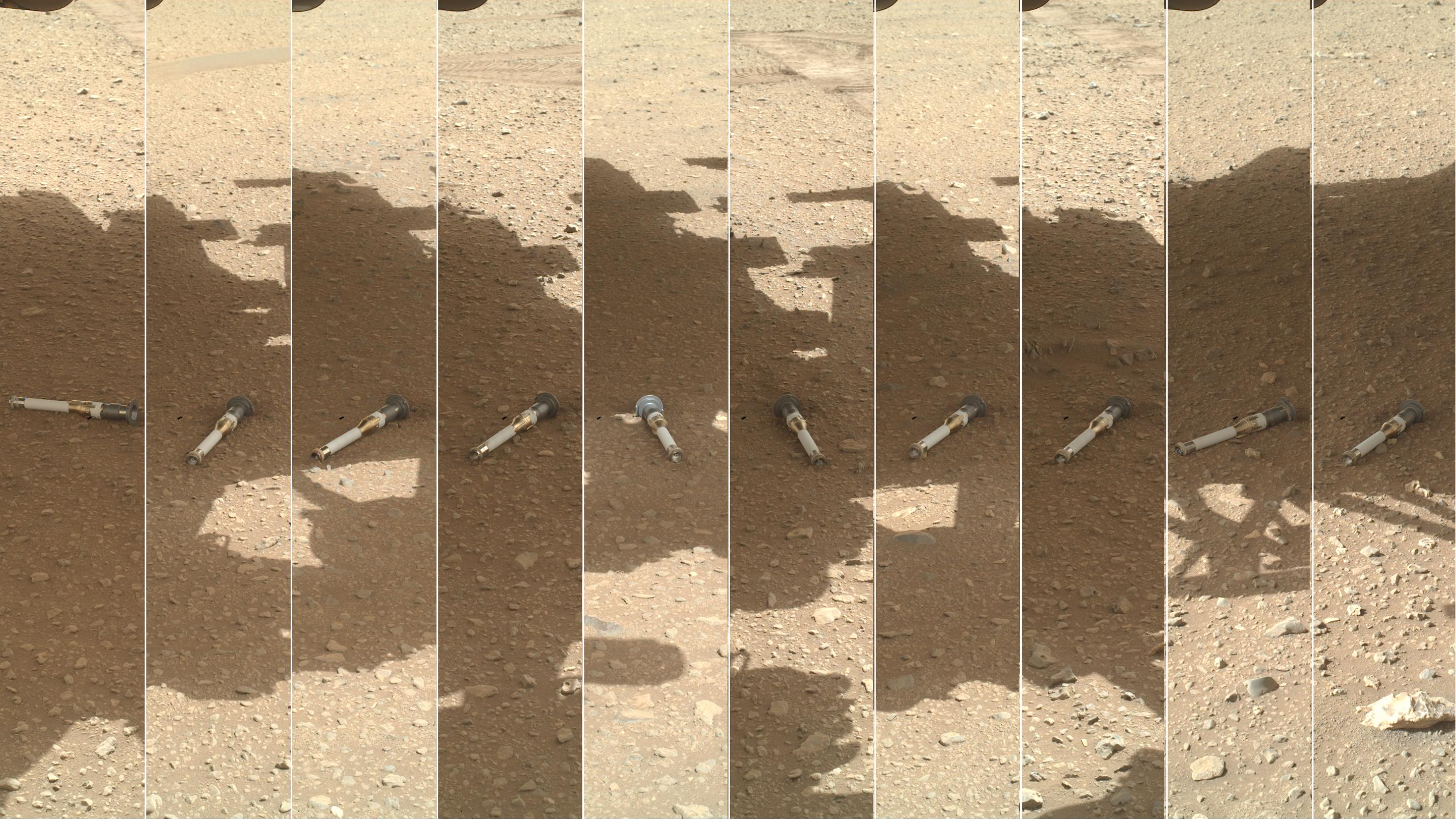
As the industry looks toward the 2027 kickoff date, the scientific community remains optimistic. The samples currently resting in their titanium canisters in Jezero Crater are arguably the most valuable geological specimens ever collected by humanity. Whether they hold the signature of ancient microbial life or provide insights into the geologic history of a world that once mirrored our own, their return will mark the beginning of a new era in planetary science.
The PSRA is more than just a logistical plan; it is a declaration that the exploration of Mars remains a central pillar of space policy. By integrating lessons from the Perseverance mission, addressing the reality of budgetary limitations, and acknowledging the rapid advancements of international competitors, NASA is attempting to create a sustainable, high-impact program that will define the next two decades of planetary research. The winter of 2027-2028 will serve as a critical milestone, likely providing the definitive blueprint for how humanity will finally reach out, grasp a piece of the Red Planet, and bring it home.