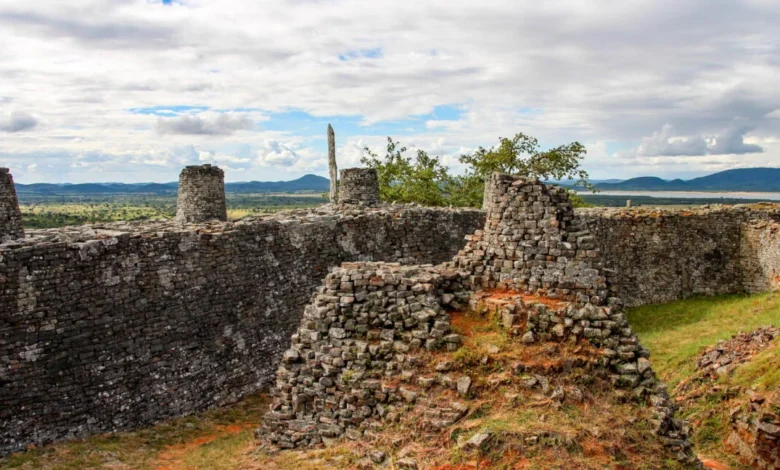
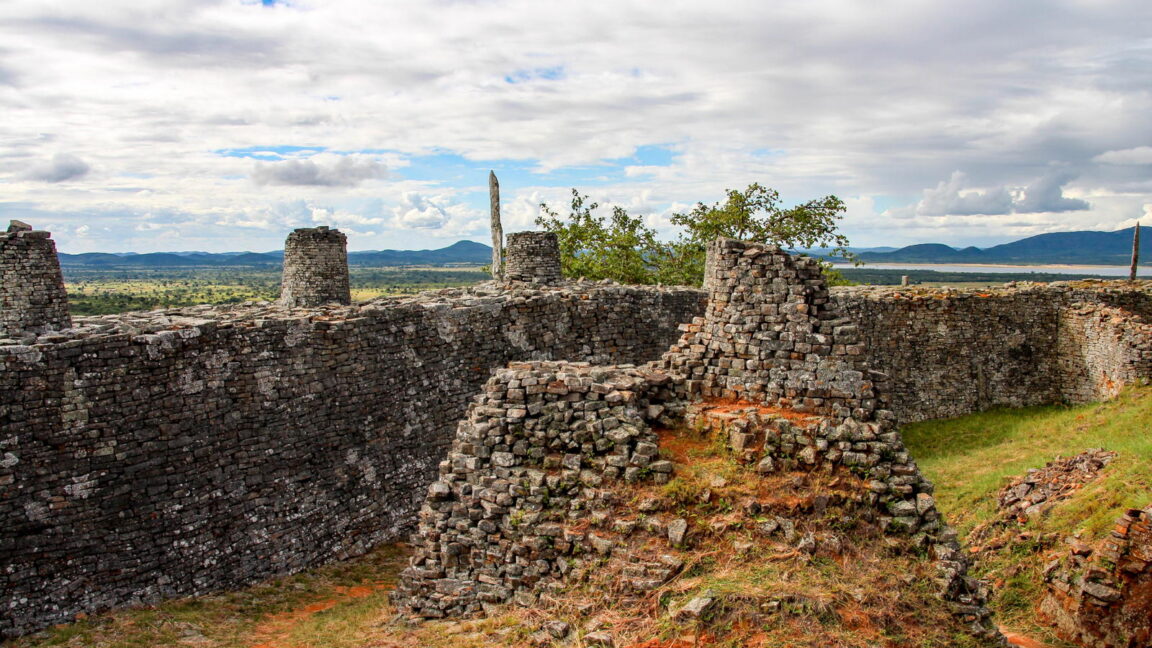
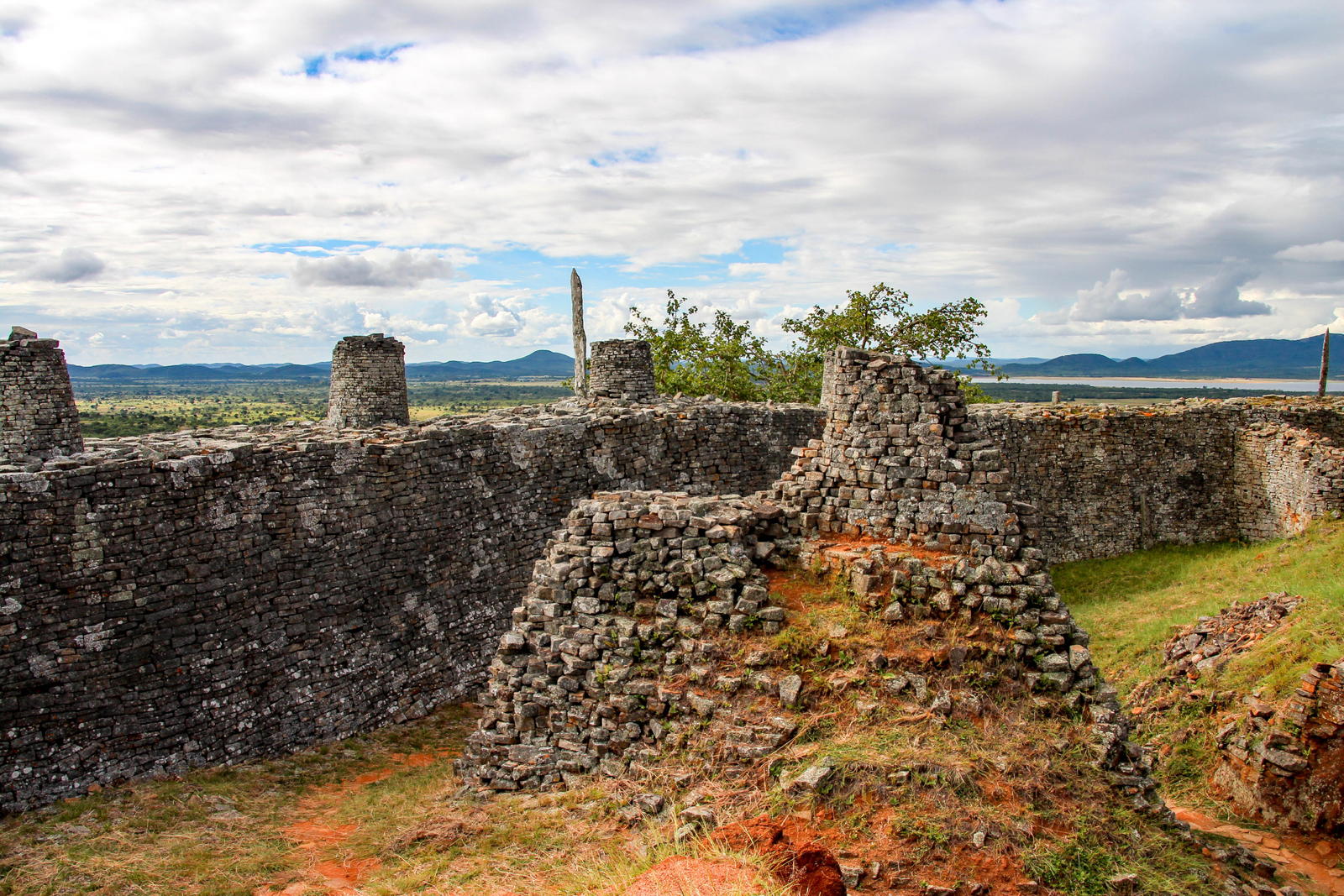
It is not a simple matter to extract iron from its ore, yet the architects of Great Zimbabwe, the capital of a formidable kingdom that dominated southern Africa between 1000 and 1700 AD, were masters of the craft. Near the city’s iconic dry-stone ruins, the remnants of ancient iron-smelting furnaces survive as mounds of earth and rubble. At Mashava, a village approximately 25 miles northwest of the site, ceramic fragments still bear the clear indentations of fingers—the marks of artisans who smoothed the clay interiors of these furnaces centuries ago. These structures, some nearly an adult’s arm span in width, were engineered to withstand temperatures exceeding 2,100 degrees Fahrenheit. More remarkably, they utilized a sophisticated natural-draft technology that harnessed chimney-effect airflow, eliminating the need for manual bellows. This innovation was instrumental in producing the iron hoes, axes, and arrowheads that fueled the region’s agricultural and military expansion.
The mastery of metallurgy exhibited at Great Zimbabwe is but one chapter in a much larger, more profound story of human movement and cultural adaptation. Scientists—a multidisciplinary coalition of linguists, geneticists, and archaeologists—are currently piecing together the timeline of the Bantu expansion, one of the most significant migrations in human history. This movement, which began roughly 6,000 to 4,000 years ago, saw Bantu-speaking peoples spread from their ancestral home in western Africa across the southern half of the continent. In doing so, they replaced or transformed existing hunter-gatherer societies, introducing a sedentary way of life defined by farming, pastoralism, and metalworking.
The Genesis of a Continent-Wide Transformation
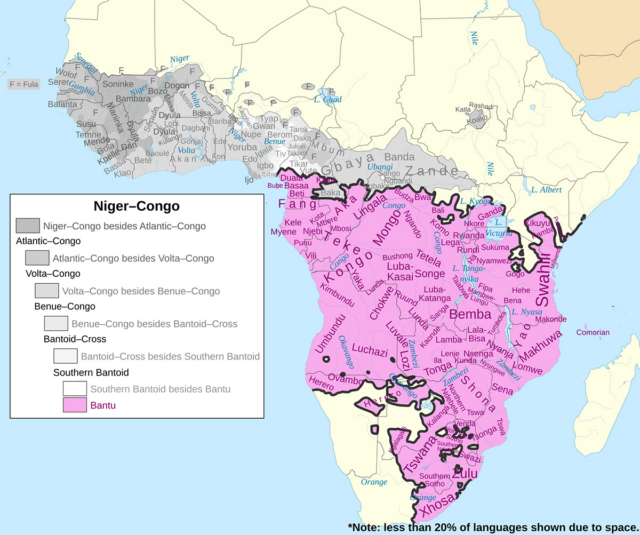
The Bantu expansion was not a singular event but a centuries-long process of gradual migration. The evidence for this shift is written in the very languages spoken by millions of Africans today. Linguists have long observed a striking uniformity among the approximately 500 distinct Bantu languages, ranging from Zulu in the south to Swahili in the east. The linguistic family is derived from the term "muntu," meaning "human being" in various dialects.
The historical timeline suggests that the ancestral Bantu speakers originated in the Grassfields region of present-day Cameroon and eastern Nigeria. Between 4,000 and 3,000 years ago, these populations began to move, likely driven by the need for new land as their agricultural practices—focused on crops like yams and oil palms—allowed for population growth that exceeded local resources.
By 2,500 years ago, archaeological evidence—specifically the appearance of characteristic pottery styles and iron-working tools—shows a clear north-to-south progression. As these groups moved into the Congo rainforest and eventually the savanna regions of the east and south, they brought with them a "package" of technologies that fundamentally altered the African landscape. Forests were cleared for farming, and the introduction of cattle and goats reshaped local ecosystems.
Genetic Signatures and the Debate Over Migration
For decades, scholars debated whether these cultural changes were the result of mass migration or simply the diffusion of ideas through trade and contact between hunter-gatherer groups. However, modern genetic analysis has provided a definitive answer. Studies of thousands of African genomes have confirmed that Bantu-speaking populations across the continent share a high degree of genetic relatedness, with the greatest diversity found in western Africa—the classic signature of a population expanding from an original source.
In 2024, a major genomic analysis of over 1,700 individuals revealed that genetic diversity decreases steadily as one moves further from the western African homeland, confirming a westward-to-eastward and southward movement. Furthermore, the genetic data has helped resolve a long-standing debate regarding the route taken through the central African rainforest. It was previously thought that the migration split into two distinct branches before entering the forest. Recent evidence, however, suggests that the migrants traversed the forest as a unified group, only splitting into eastern and southern streams once they reached the southern fringes of the Congo basin, roughly 2,500 to 3,500 years ago.
The Dynamics of Cultural Interaction
The Bantu expansion was not merely a replacement of populations but a complex process of mixing and mingling. As Bantu-speaking groups encountered indigenous hunter-gatherer societies, such as the Khoisan in the south and various forest-dwelling groups in the center, they formed deep, albeit often unequal, relationships.
Genetic studies have highlighted a fascinating gender bias in this mixing. In southern Africa, for instance, Bantu-speaking groups share a significant portion of their DNA with Khoisan populations, but this ancestry is primarily found in mitochondrial DNA, which is inherited maternally. Conversely, the Y chromosomes, which are inherited paternally, are overwhelmingly of Bantu origin. Experts suggest this pattern reflects historical power dynamics, where Bantu men entered into unions with local women, either through marriage or as a result of social displacement.
This intersection also left a mark on language. The distinctive click sounds found in many Khoisan languages were adopted into the Bantu languages of Zulu and Xhosa. This linguistic integration likely occurred as children of mixed-ancestry unions became bilingual, eventually shifting toward the dominant Bantu tongue while retaining elements of their maternal heritage.
Technological and Ritual Innovation
The success of the Bantu-speaking societies was tied to their ability to adapt and refine their technologies. The iron-smelting techniques discovered at sites like Great Zimbabwe are a testament to this scientific sophistication. Archaeometallurgist Ezekiel Mtetwa of the Field Museum of Natural History has identified that the intentional addition of bone fragments to smelting furnaces—often viewed through a ritualistic lens—likely served a chemical purpose. The calcium in the bones acts as a flux, lowering the melting point of the iron ore and facilitating the separation of the metal from impurities. This represents a level of chemical engineering that enabled the production of high-quality tools, which in turn fueled the rise of complex states.
These states were not isolated; they were nodes in a vast trade network. By the 12th century, archaeological records indicate that kingdoms like Great Zimbabwe were exporting gold, ivory, and high-quality iron across the Indian Ocean in exchange for Chinese porcelain and glass beads. This global integration underscores the sophistication of these societies, which were far from the "primitive" portrayals often found in outdated colonial-era historiography.
Modern Challenges and the Future of Research
Despite these revelations, the study of the Bantu expansion faces significant hurdles. Linguistic reconstructions, while powerful, are hampered by the fact that many older, "branch" languages have gone extinct, creating gaps in the evolutionary tree of the Bantu language family. Furthermore, recent studies have shown that assuming languages evolved in total isolation is a flawed model; extensive cross-pollination between neighboring language groups likely occurred, complicating the efforts of computational linguists.
The field is also constrained by a lack of funding. Much of the research into African archaeology and genetics has historically relied on European or North American funding, which is often limited or subject to geopolitical shifts. Archaeologist Shadreck Chirikure of the University of Oxford emphasizes that without increased investment from African governments to build local laboratories and support long-term field excavations, the ability to test new hypotheses and access the latest technology remains restricted.
There is also the ongoing effort to analyze ancient DNA from human remains. As geneticist Carina Schlebusch notes, the migration was likely a "spread over spread" event—a series of overlapping waves rather than a single, clean sweep. Obtaining and sequencing ancient DNA will be crucial to understanding the specific identities of people who occupied these regions at different points in time.

Implications and Legacy
The legacy of the Bantu expansion is written into the contemporary fabric of sub-Saharan Africa. It is a story of human ingenuity, adaptation, and resilience. The resulting cultural tapestry—a blend of indigenous traditions and the innovations brought by the Bantu migrants—is what gives the region its unparalleled diversity today.
From the complex social structures that built the walls of Great Zimbabwe to the intricate linguistic patterns that span the continent, the Bantu expansion remains one of the most critical subjects in human history. As scientists continue to integrate data from the soil, the genome, and the spoken word, the picture that emerges is one of a deeply connected past. The story of the Bantu is not just the story of a migration; it is the story of how Africa became the continent it is today—a place of dynamic cultural exchange, enduring tradition, and profound historical depth. The work ahead, while challenging, promises to continue refining our understanding of this monumental journey, providing a more nuanced and accurate account of the foundations upon which modern African societies are built.