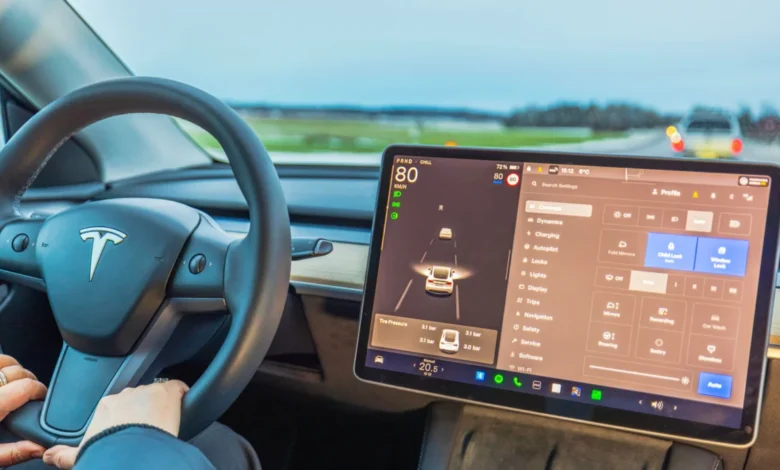
The modern automobile has evolved into a sophisticated rolling computer, but this transition toward software-defined mobility has introduced a complex layer of liability that is increasingly challenging the traditional framework of automotive law. As vehicles become more reliant on lines of code to manage everything from braking systems and steering to advanced driver-assistance systems (ADAS), the frequency of software-related failures has risen sharply. According to a May 2026 report from the industry watchdog Recall Masters, the automotive industry is currently navigating a "software recall epidemic." In the previous calendar year alone, the National Highway Traffic Safety Administration (NHTSA) oversaw the recall of roughly 8 million vehicles specifically due to electronic and software-based defects. These failures range from glitchy back-up cameras and unresponsive instrument clusters to critical misfires in autonomous safety features.
The Complexity of Modern Automotive Liability
Determining fault in a collision involving a software malfunction is no longer a simple matter of assessing human error. When a vehicle’s software fails, the investigation must traverse a web of manufacturers, software engineers, third-party component suppliers, and dealership service centers. Historically, automotive liability was dictated by mechanical failure—a broken axle, a faulty brake line, or a misaligned steering rack. Today, the "black box" nature of proprietary software complicates the discovery process.
Legal experts, such as Charles Gilman, founding attorney at Gilman & Bedigian, LLC, suggest that the determination of liability is inherently tied to the specific origin of the glitch. If a vehicle is brand new and experiences a system failure that leads to a crash, the manufacturer is almost universally viewed as the primary entity responsible under product liability statutes. The manufacturer is expected to design, test, and release code that meets rigorous safety standards. However, the scenario shifts significantly when a vehicle is older or has undergone repairs. If a dealership fails to install a critical software patch that could have prevented a known, documented defect, the burden of liability may shift toward the service provider.
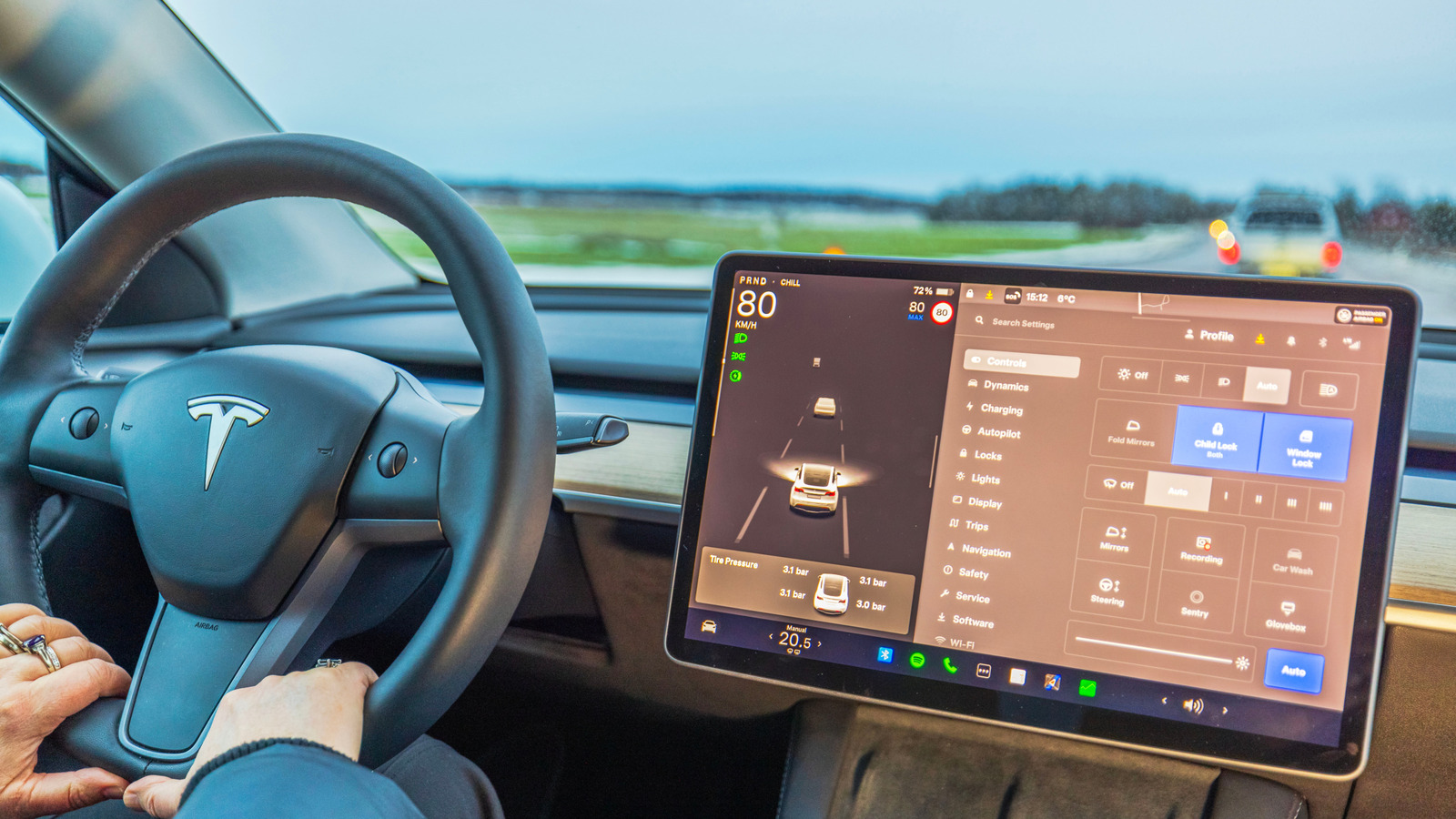
The Burden of Recalls and Consumer Responsibility
The sheer volume of recalls currently impacting American roads presents a significant hurdle for public safety. Data from Carfax suggests that as of early 2026, approximately one in five vehicles operating on U.S. highways carries an unfixed recall. This statistic highlights a critical friction point: how much responsibility should the consumer bear for maintaining the software health of their vehicle?
In many cases, vehicle owners are unaware of software-based recalls. While over-the-air (OTA) updates were touted as the solution to this problem, they have introduced their own set of complications. OTA updates rely on constant connectivity and successful installation, neither of which is guaranteed. If a manufacturer issues a mandatory safety update that fails to download due to a cellular connectivity issue or a bug in the update process itself, the owner may be left driving a compromised vehicle without their knowledge.
Despite these variables, legal precedent remains heavily weighted toward the manufacturer. Issuing a recall notice is rarely a "get out of jail free" card for an automaker. In many jurisdictions, courts have maintained that if a defect is inherently dangerous—such as a system that could cause a total loss of steering control—simply notifying the owner via mail is insufficient. Manufacturers may be required to issue "do not drive" orders or take more aggressive steps to ensure the vehicle is taken off the road until the software can be remediated.
The Sales and Resale Conundrum
The secondary market for vehicles creates another layer of legal ambiguity. If a consumer purchases a used car that is subject to an open, unrepaired safety recall, the responsibility for the resulting safety risk is a subject of intense debate. Gilman argues that the burden should fall on the seller—particularly if that seller is a dealership. Professional sellers are expected to check the status of vehicles against national databases before listing them for sale.
When a dealership knowingly sells a vehicle with an open, high-risk recall, they are essentially placing a defective product into the stream of commerce. However, the law is still catching up to the technology. While state and federal statutes provide some guidance, the rapid pace of software development in cars means that many existing laws are ill-equipped to address the nuances of "bricked" cars or partial system failures that occur mid-drive.
Legal Implications and the Path Forward
For the average driver involved in an accident potentially caused by a software glitch, the immediate priority is survival and medical care, followed by an insurance claim. However, standard insurance adjustments often fail to account for the complexities of software-related negligence. When an accident occurs, insurance adjusters may default to human error, failing to inspect the electronic control unit (ECU) or the vehicle’s event data recorder (EDR) for signs of a digital failure.
Engaging legal counsel in these instances is becoming an increasingly common necessity. A lawsuit may be the only mechanism available to force the disclosure of proprietary software logs. This "discovery" process is vital; it allows experts to analyze whether the car’s software behaved as intended or if it deviated from its programming in a way that directly contributed to the crash. As the industry moves toward higher levels of autonomy, the "made whole" principle—the legal concept that a victim should be restored to the position they were in before the accident—will likely require significant financial settlements to cover not just physical damage, but the psychological and long-term economic impacts of these high-tech failures.
The Future of Automotive Regulation
Looking ahead, the regulatory landscape is expected to tighten. The NHTSA is under increasing pressure to standardize how software updates are managed and verified. We may soon see federal mandates requiring "software transparency," where manufacturers must provide clearer data logs that are accessible to independent mechanics and accident investigators.

Furthermore, the transition to software-defined vehicles is forcing a change in the automotive business model. Automakers are shifting from being mere hardware manufacturers to being software providers. With this transition comes the expectation of software-grade reliability. In the technology sector, "moving fast and breaking things" is an accepted mantra for software releases; in the automotive sector, this philosophy is incompatible with human safety.
Ultimately, the law will have to evolve to reflect the reality that a car is no longer just a mechanical device. It is a complex, networked node in a larger infrastructure. As legal precedents are set over the coming years, manufacturers will likely face stricter oversight regarding their software development lifecycles. Until that time, consumers remain in a vulnerable position, caught between the convenience of modern technology and the reality that, when code fails, the consequences can be catastrophic. Whether the fault lies with an automaker’s rushed deployment, a dealership’s negligence in service, or an unforeseen system conflict, the victim’s path to justice will almost certainly run through the courtroom.