14,000-Mile 1970 AMC AMX Is A 360 4-Speed Car Perfect For Muscle Car Fans Heading Off The Beaten Path

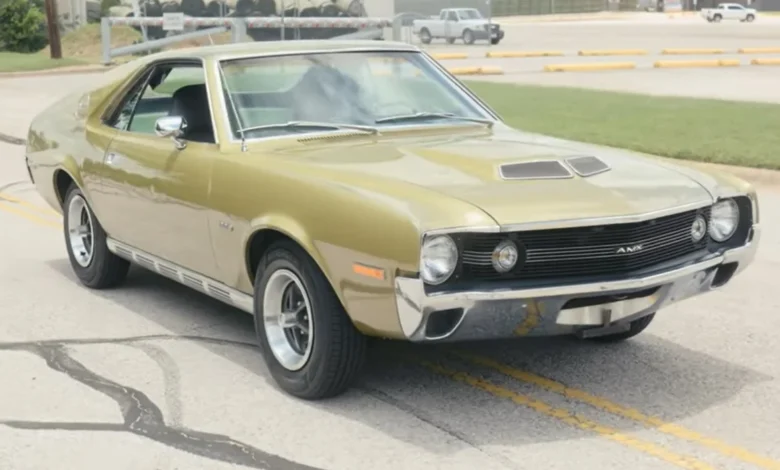
The automotive market frequently sees high-dollar, concours-restored muscle cars cross the auction block, but rarely does an authentic, low-mileage survivor emerge from the shadows of history. A 1970 American Motors Corporation (AMC) AMX, currently listed by Motors Corner USA in Austin, Texas, offers a rare glimpse into a bygone era of American automotive manufacturing. With only 14,900 miles recorded on the odometer, this vehicle serves as a rolling time capsule from a year defined by significant cultural and technological shifts, ranging from the dissolution of The Beatles to the high-stakes drama of the Apollo 13 mission.
A Rare Piece of American Automotive History
The AMC AMX holds a unique position in the pantheon of late 1960s and early 1970s performance vehicles. Designed as a direct competitor to the Chevrolet Corvette and the Ford Mustang, the AMX was marketed as a "sports car for the price of a sporty car." Its short-wheelbase, two-seater configuration set it apart from the heavy-duty muscle cars of the period. However, commercial success was elusive.
In 1970, the final year of the AMX as a standalone model before it was relegated to an option package for the AMC Javelin, production numbers plummeted. AMC manufactured only 4,116 units that year. To put this in perspective, Ford produced nearly ten times that number of Mustang Mach 1s in the same period. This scarcity makes any well-preserved 1970 AMX a significant find for collectors, particularly one that retains its factory-original powertrain and documentation.
Technical Specifications and Powertrain
Under the hood of this particular survivor lies the robust 360-cubic-inch V8 engine, which was rated at 290 horsepower and 395 pound-feet of torque at the time of its release. This represented a substantial performance upgrade over the 1969 iteration, which offered less displacement and power. The vehicle is equipped with an all-synchromesh four-speed manual transmission paired with a Hurst shifter, a configuration highly sought after by purists who prefer the tactile engagement of a mechanical gearbox over the optional Shift Command automatic transmission offered at the time.
Recent mechanical interventions have ensured that the vehicle remains operational. Motors Corner USA reports that the car has undergone a comprehensive service, including a professional rebuild of the original four-barrel carburetor, a complete brake system bleed, and the installation of a new set of spark plugs. These efforts have reportedly stabilized the engine, allowing it to start with reliability—a necessary step for a vehicle that has spent the majority of its 56-year existence in storage.
The Significance of the Survivor Status
In the collector car world, the term "survivor" denotes a vehicle that has not undergone a complete frame-off restoration and retains a significant portion of its factory components. This AMX is a quintessential example. While the interior features original leather upholstery and wood trim that show the expected patina of age, it remains structurally sound and functionally authentic. The sale includes original documentation, including the owner’s manual and the factory operating record booklet, which provide a verified provenance that is often lost to time.
However, the car is not without its imperfections. The original paint shows minor signs of wear, including small dents on the trunk lid and dimpling on the passenger-side door. Observers have noted potential surface oxidation behind the right rear wheel, which will require attention from a future owner. Despite these cosmetic flaws, the vehicle is viewed by experts as an ideal candidate for a sympathetic restoration—one that preserves the history of the car while ensuring its longevity on the road.
Market Analysis and Investment Implications
The valuation of this AMX presents an interesting case study in the current classic car market. With an asking price of $34,900, the vehicle sits well below the broader market average for the 1970 model year. Data from industry trackers like Classic.com suggest that high-quality, restored examples of the 1970 AMX often trade in the range of $68,000 or higher, depending on the level of documentation and the quality of the finish.
For an investor, this represents a unique entry point. While project cars can be found for lower figures—often around the $20,000 mark—they typically require extensive mechanical overhaul and parts sourcing, which can quickly exceed the cost of purchasing a turnkey example. By contrast, this car offers the rare combination of a "turn-key" status with the opportunity for the buyer to perform incremental, aesthetic improvements. The fact that the vehicle has survived for over half a century without being stripped for parts or abandoned in a field adds an inherent value that cannot be replicated through aftermarket reproduction parts.
Chronology of the AMX Brand
The history of the AMX is brief but impactful. The model was introduced in 1968, positioning AMC as a serious contender in the performance market.
- 1968: The AMX is launched as a steel-bodied, two-seat sports car, quickly gaining a reputation for its agile handling and high power-to-weight ratio.
- 1969: AMC continues the production of the two-seater, refining the engine offerings and cementing its status in the muscle car wars.
- 1970: The final year for the two-seat standalone model. Production is constrained, and the focus shifts toward larger, four-seat designs.
- 1971–1974: The AMX nameplate is transitioned into a performance package for the AMC Javelin, marking the end of its identity as a unique, short-wheelbase sports car.
By acting as the final iteration of the original AMX vision, the 1970 model holds a distinct place in the brand’s history. It represents the point where AMC’s independent design philosophy collided with the tightening emissions regulations and shifting market preferences of the early 1970s.
The Call for Active Preservation
The current state of the vehicle—running, driving, yet imperfect—invites a specific type of ownership. Unlike cars that are locked away in climate-controlled museums to prevent a single mile from being added, this AMX is arguably best suited for an enthusiast who intends to drive it. The scarcity of 15,000-mile examples in the current environment is a testament to the car’s durability, but vehicles of this age require regular use to remain in optimal condition.
"Somebody please drive this thing unapologetically," is the consensus among observers who track the listing. The mechanical service performed by the current sellers has cleared the path for the vehicle to return to the road, but the long-term health of the engine and drivetrain will depend on consistent operation.
Conclusion: A Rare Opportunity
The 1970 AMC AMX currently for sale in Texas serves as a bridge between two eras of American motoring. It represents a period when a smaller, independent manufacturer could challenge the industry giants with a bold, high-performance product. As the market for classic cars continues to mature, the focus is shifting away from "over-restored" show cars toward authentic, well-maintained survivors that tell a story of longevity.
With its 360-cubic-inch V8, four-speed manual transmission, and exceptionally low mileage, this AMX is more than just a purchase; it is an act of preservation. For the collector who values the integrity of an original build over the glossy perfection of a modern restoration, this 1970 AMX offers an increasingly rare opportunity to own a piece of American performance history that is ready to be enjoyed as it was intended—on the open road.