The Nature of the Pathogens: Understanding the Outbreak
The current surge in cases, particularly the record-breaking Cyclospora outbreak reported in states like Michigan, highlights the vulnerability of the modern food supply chain. Parasites differ from bacterial contaminants like Salmonella or E. coli in their hardiness and life cycles. Cryptosporidium, for instance, is protected by an outer shell that allows it to survive outside the body for long periods and makes it highly resistant to chlorine disinfection. Giardia is similarly resilient, often found in untreated wilderness water and occasionally in municipal supplies if filtration systems fail.
Cyclospora, the culprit behind many large-scale "explosive" outbreaks, is a microscopic parasite that causes an intestinal infection called cyclosporiasis. Unlike some other pathogens, Cyclospora is not typically spread directly from person to person; instead, it requires time outside the host to become infectious. This usually happens when feces-contaminated irrigation water or soil comes into contact with fresh produce. Because the parasite is often associated with imported fruits and vegetables, outbreaks frequently coincide with specific growing seasons in tropical or subtropical regions.
Chronology and Recent Case Data
The timeline of recent outbreaks suggests a seasonal pattern that public health agencies are struggling to flatten. In the summer of 2024 and leading into 2025, Michigan health officials reported nearly 1,300 cases of cyclosporiasis, the largest such outbreak in the state’s history. This followed a national trend identified by the Centers for Disease Control and Prevention (CDC), which has seen a steady increase in parasitic gastrointestinal infections over the last decade.
Historically, these outbreaks have been traced back to specific vehicles:
- 1990s: Large-scale Cyclospora outbreaks were frequently linked to imported raspberries from Central America.
- 2010s: The focus shifted to leafy greens, specifically pre-packaged salad mixes and cilantro.
- 2023-2024: Outbreaks have become more "diffuse," involving a wider variety of fresh herbs, snap peas, and berries, making the tracing process more complex for the Food and Drug Administration (FDA).
Symptoms generally manifest between two and ten days after ingestion. The "explosive" nature of the diarrhea is a hallmark of these parasites, often accompanied by bloating, increased gas, stomach cramps, and profound fatigue. Without medical intervention, these symptoms can persist for weeks or even months, often appearing to resolve before returning in a cyclical fashion.
High-Risk Foods: What to Eliminate from Your Cart
When an outbreak is active, or if you suspect you have been exposed, certain food categories should be handled with extreme caution or avoided entirely. Contamination usually occurs at the farm level through irrigation water, but it can also happen during processing or handling by infected individuals.
Fresh Produce and Leafy Greens
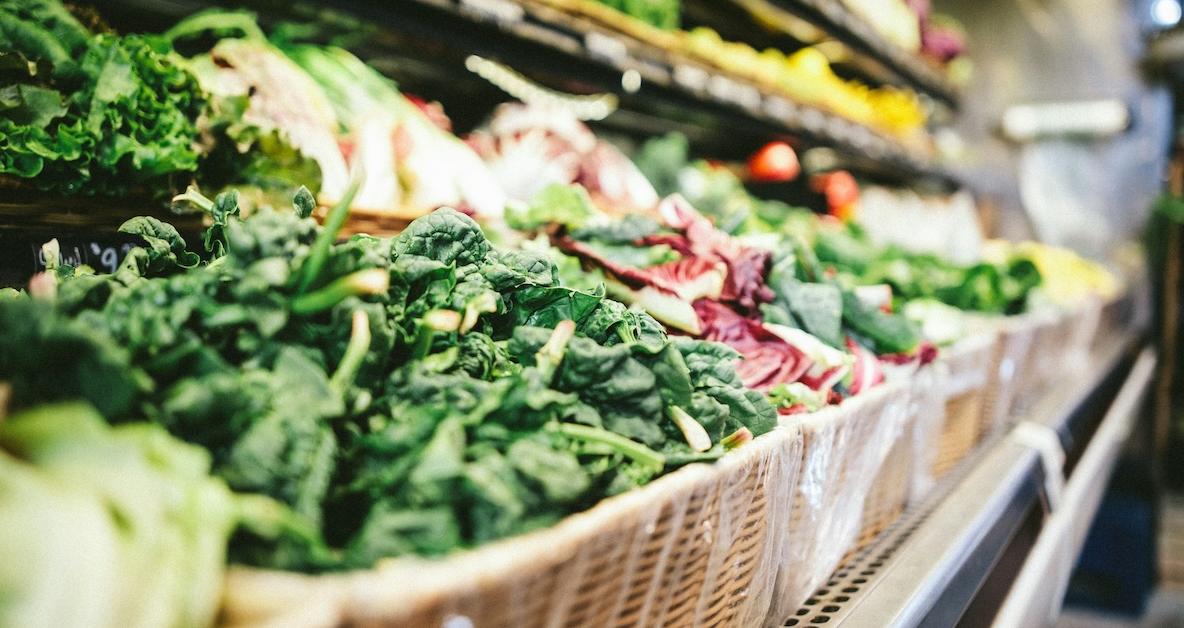
Fresh, raw produce is the most common vehicle for parasites. Because these organisms are microscopic and "sticky," they are difficult to remove with simple water rinsing. During an outbreak, the following should be scrutinized:
- Cilantro and Parsley: Often grown in conditions where water quality varies, these herbs are rarely cooked, allowing the parasite to enter the digestive system alive.
- Pre-washed Salad Mixes: While convenient, the large-scale washing processes can actually cross-contaminate multiple batches of lettuce if the parasite is present in a single harvest.
- Berries: Raspberries and blackberries have textured surfaces that can trap parasitic oocysts, making them difficult to clean thoroughly.
Untreated Water and Unpasteurized Juices
While municipal water is generally safe, "raw" water or water from private wells can be a source of Giardia and Cryptosporidium. Similarly, unpasteurized "fresh-squeezed" juices or ciders may contain contaminants from the fruit’s surface that were never neutralized by heat.
Raw or Undercooked Proteins
Though less common for Cyclospora, other parasites and bacteria that cause similar symptoms are found in undercooked meat and seafood. During a gastrointestinal outbreak, the immune system is already compromised, making it vital to ensure all proteins are cooked to their recommended internal temperatures to avoid secondary infections.
Dietary Management During Infection
If you are already experiencing symptoms of an explosive diarrhea outbreak, your diet must shift from prevention to "gut rest" and recovery. The goal is to reduce the workload on the intestines and prevent dehydration.
Foods to Avoid During Recovery
- Dairy Products: Parasitic infections often cause a temporary lactose intolerance. The infection damages the "brush border" of the small intestine where the enzyme lactase is produced. Consuming milk, cheese, or ice cream can lead to increased bloating and more severe diarrhea.
- High-Fat and Fried Foods: Fats are difficult for an inflamed gallbladder and intestinal tract to process. Greasy foods can speed up "gastric emptying," worsening the frequency of bowel movements.
- Caffeine and Alcohol: Both are diuretics that contribute to dehydration. Caffeine, in particular, stimulates the digestive tract, which is counterproductive when trying to slow down diarrhea.
- Insoluble Fiber: While fiber is usually healthy, raw vegetables, bran, and nuts can be too abrasive for an irritated intestinal lining.
- High-Sugar Foods: Large amounts of sugar can pull water into the intestines through osmosis, making watery diarrhea even more liquid.
The BRAT Diet and Hydration
The gold standard for recovering from parasitic diarrhea is the BRAT diet: Bananas, Rice, Applesauce, and Toast. These foods are low in fiber and help bind the stool. Additionally, electrolyte replacement is critical. Standard water may not be enough to replace the sodium, potassium, and chloride lost during explosive episodes; oral rehydration salts or specialized electrolyte drinks are often recommended.
Official Responses and Public Health Protocols
The CDC and FDA work in tandem during these outbreaks to identify the "signal" in the data. When a cluster of cases appears, epidemiologists conduct "shotgun interviews," asking patients to list every food they ate in the two weeks prior to getting sick.
"Identifying the source of a Cyclospora outbreak is a race against time," says one public health analyst. "Because the incubation period is long, by the time someone feels sick, the contaminated produce is often already out of the grocery stores and off the shelves."

Regulatory agencies have responded by implementing the Produce Safety Rule under the Food Safety Modernization Act (FSMA). This rule sets science-based standards for the safe growing, harvesting, packing, and holding of fruits and vegetables. In response to the Michigan outbreak, officials have increased testing of irrigation water and mandated better record-keeping to allow for faster "tracebacks" to specific farms.
Broader Implications and Long-Term Impact
The rise of these outbreaks has broader implications for global trade and climate change. As the United States imports more produce year-round, it becomes more susceptible to pathogens native to warmer climates. Furthermore, increased flooding and extreme weather events can cause sewage overflow or agricultural runoff to contaminate water sources that were previously considered safe.
For the individual, the impact of a parasitic infection can extend beyond the initial illness. Some patients develop post-infectious Irritable Bowel Syndrome (IBS) or reactive arthritis. This underscores the importance of seeking medical attention if symptoms persist beyond a few days. Unlike viral stomach bugs, parasitic infections like Giardia and Cyclospora often require specific antibiotics or anti-parasitic medications, such as Trimethoprim-sulfamethoxazole, to fully clear the system.
Prevention and Best Practices
To protect yourself during an outbreak, public health officials recommend a "defense-in-depth" strategy:
- Hand Hygiene: Wash hands for at least 20 seconds with soap and water after using the bathroom and before handling food. Note that alcohol-based hand sanitizers are often ineffective against the tough outer shells of Cryptosporidium.
- Heat Treatment: Whenever possible, cook vegetables that are known to be high-risk. Heat is the most effective way to kill parasites.
- Stay Informed: Monitor local health department websites for recalls or specific food advisories.
- Water Safety: Avoid swallowing water while swimming in pools, lakes, or water parks, as these are common sites for Cryptosporidium transmission.
While the prospect of an explosive diarrhea outbreak is alarming, informed dietary choices and rigorous hygiene can significantly mitigate the risk. By avoiding high-risk raw produce during peak outbreak periods and adhering to a bland, hydrating diet during recovery, individuals can protect both their own health and the health of their communities.