India achieves historic plateau in power sector emissions as clean energy surge offsets rising industrial demand

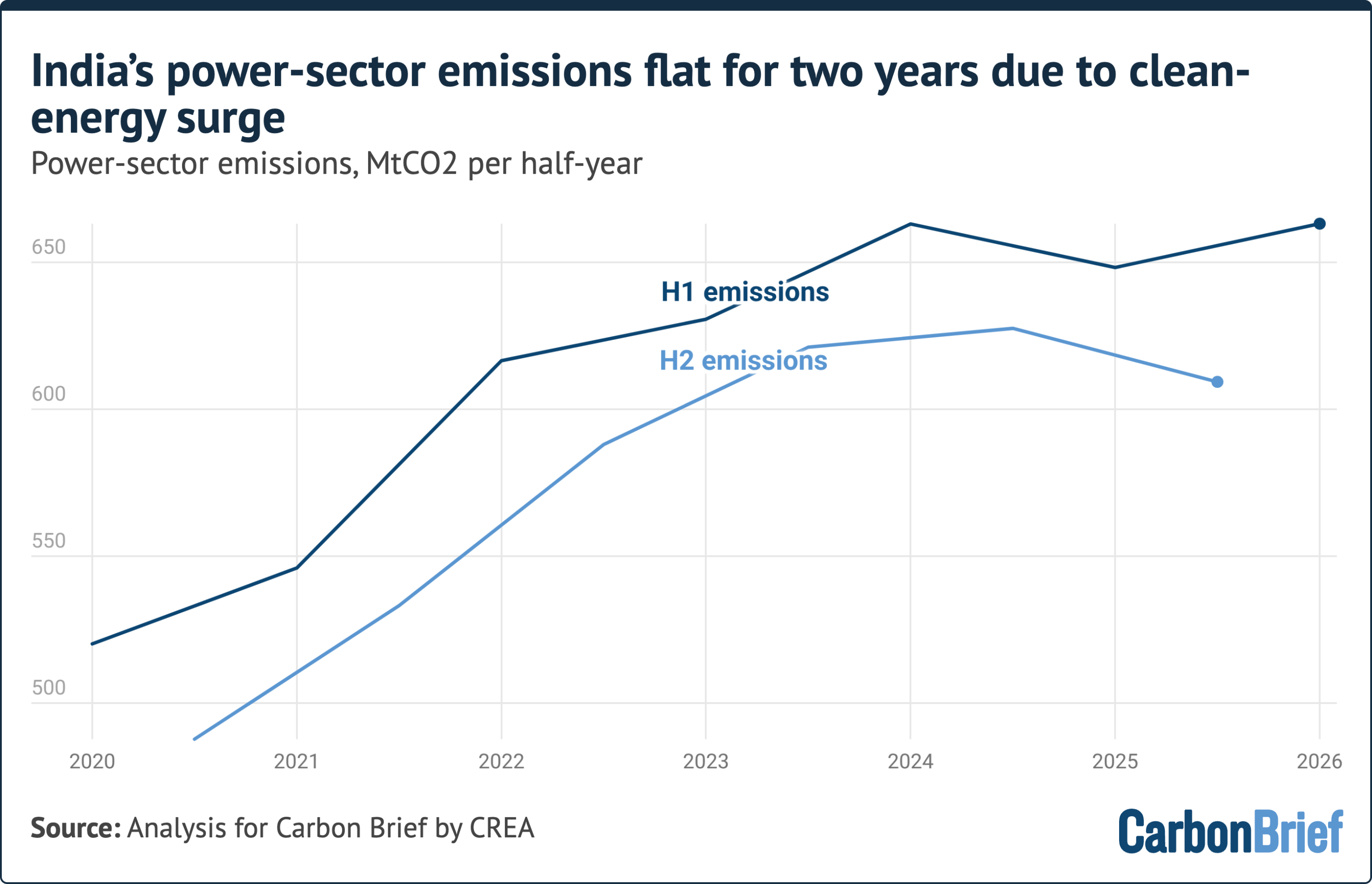
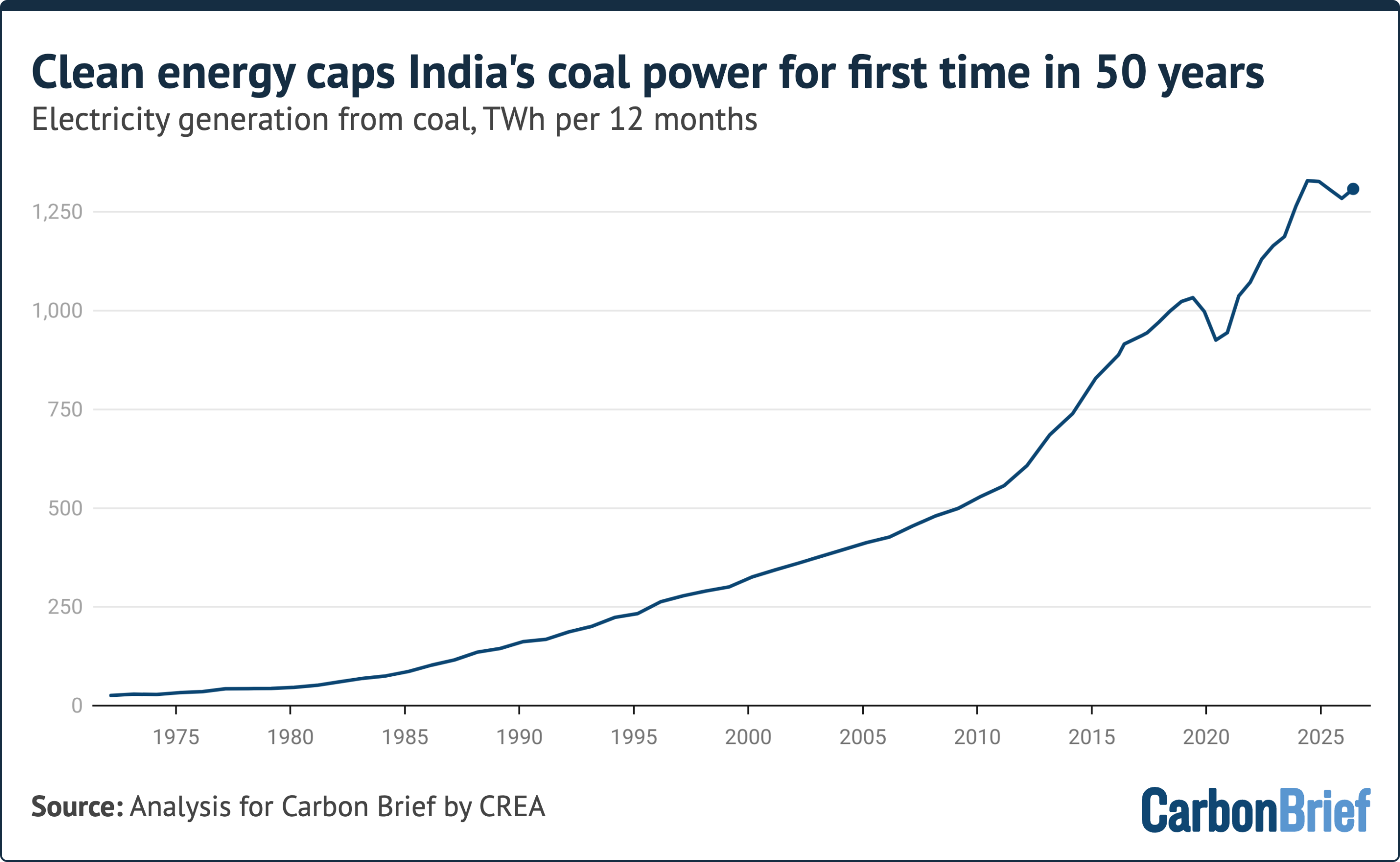
For the first time in more than half a century, India has successfully maintained a two-year period of zero growth in coal-based power generation, even as the nation’s total electricity demand continues its steady upward trajectory. This milestone, revealed in a comprehensive six-monthly analysis for the first half of 2026, marks a pivotal shift in the trajectory of the world’s most populous nation, signaling that the rapid deployment of solar, wind, and nuclear energy is finally beginning to decouple economic development from carbon-intensive power production.
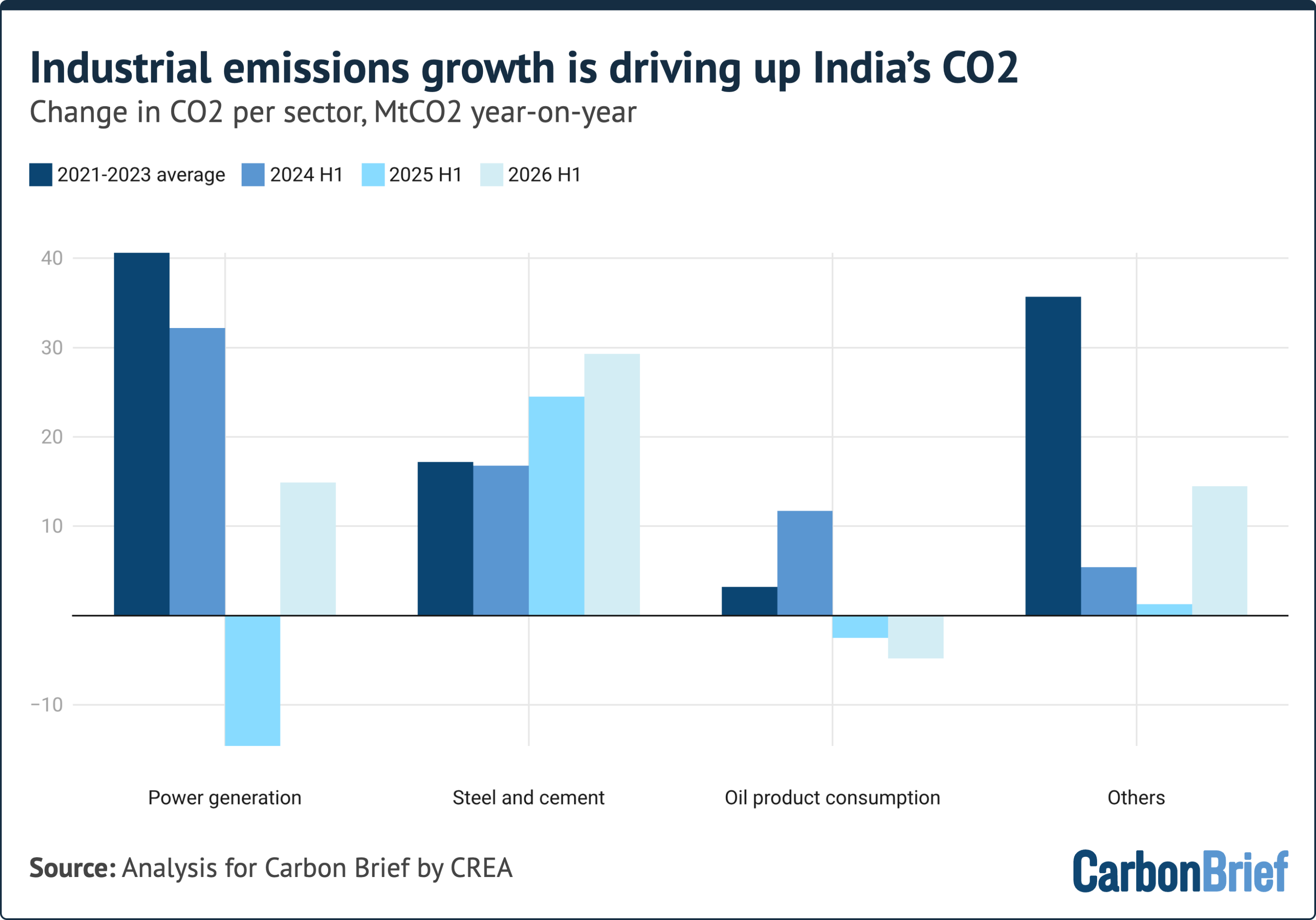
While the power sector has effectively flatlined its emissions, the broader national picture remains complex. Despite the gains in clean electricity, India’s total carbon dioxide (CO2) emissions rose by 3.7% year-on-year in the first half of 2026. This increase is primarily attributed to the industrial sector—specifically the steel and cement industries—where energy-intensive processes continue to rely heavily on fossil fuels.
A Historic Shift in the Power Sector
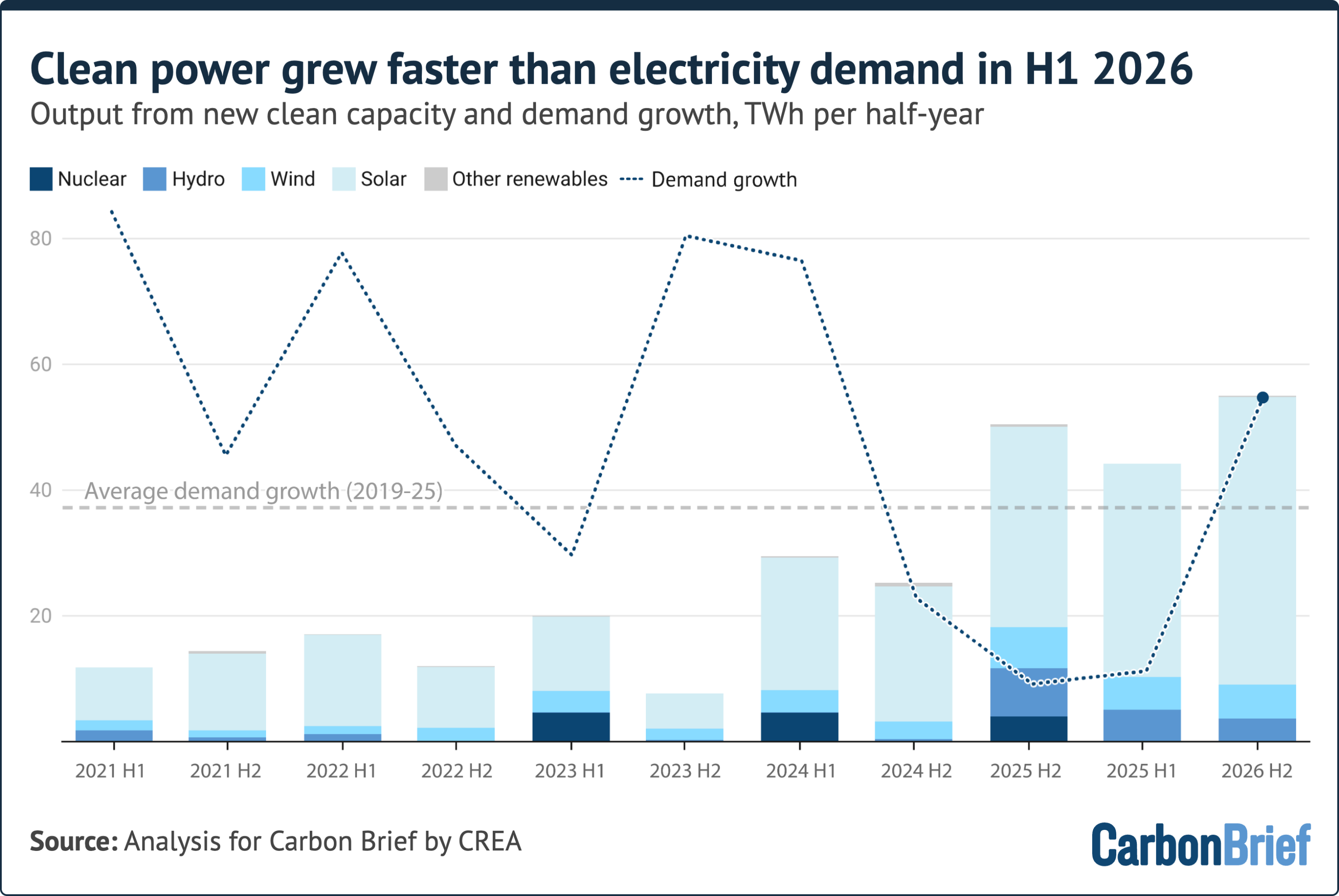
The data covering the first half of 2024 through the first half of 2026 shows that India’s total power generation increased by approximately 7%—an addition of 63 terawatt-hours (TWh). To put this growth in perspective, it is equivalent to the entire annual electricity consumption of Singapore or Switzerland. Crucially, this additional demand was met entirely by clean energy sources.
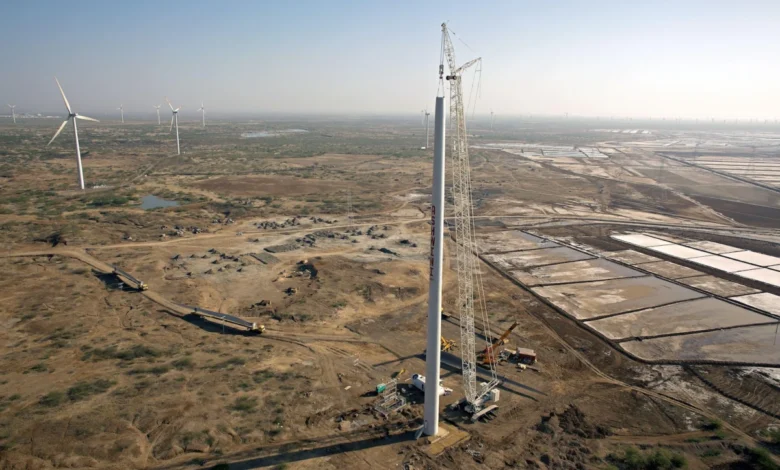
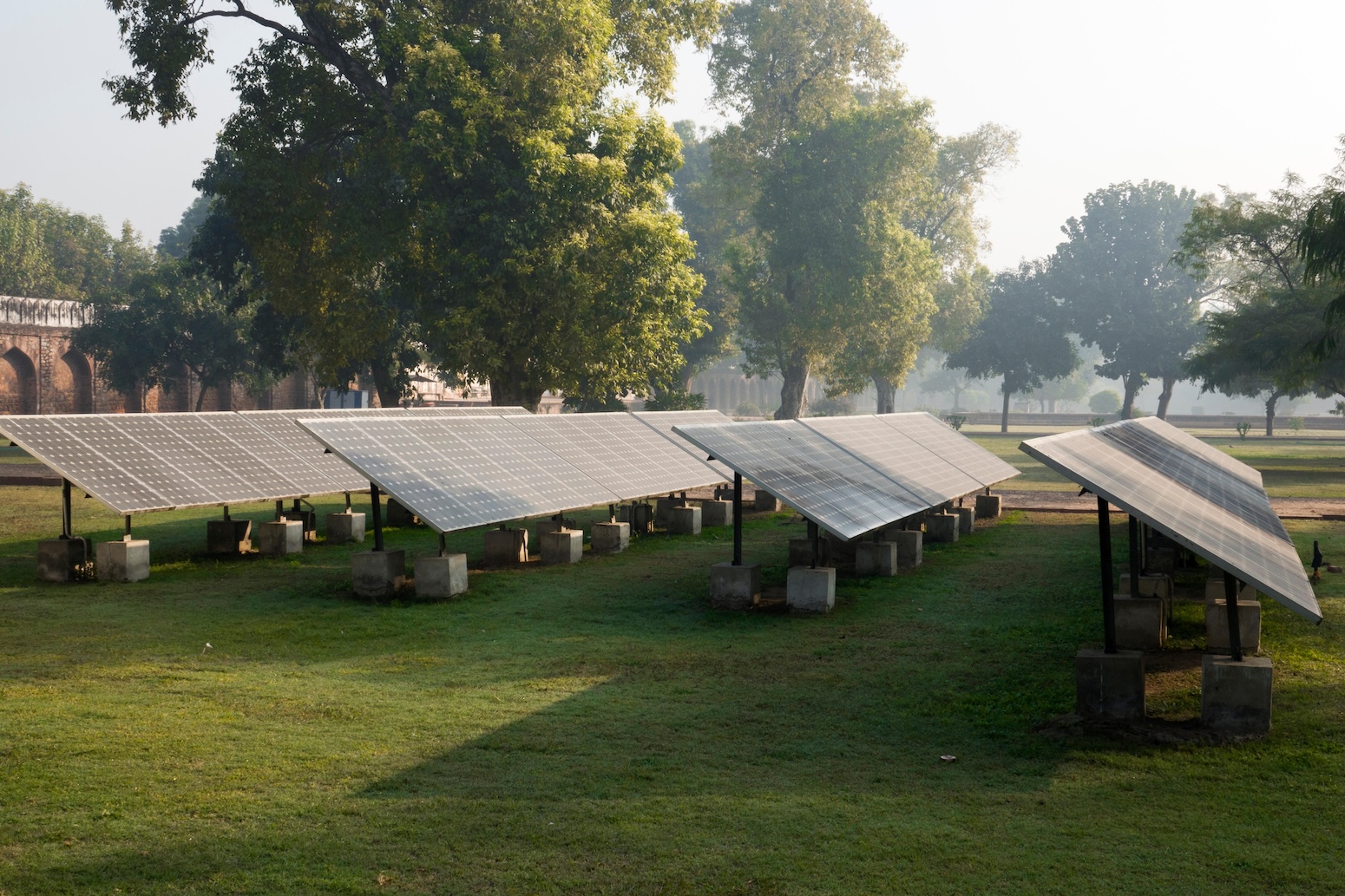
Solar energy led the charge, contributing 44 TWh of new generation, supplemented by wind (13 TWh), nuclear (7 TWh), and hydro (8 TWh). This collective addition of 70 TWh from non-fossil sources successfully covered the net increase in demand, allowing coal-fired power plants to avoid any significant increase in output for the first time since the mid-1970s.
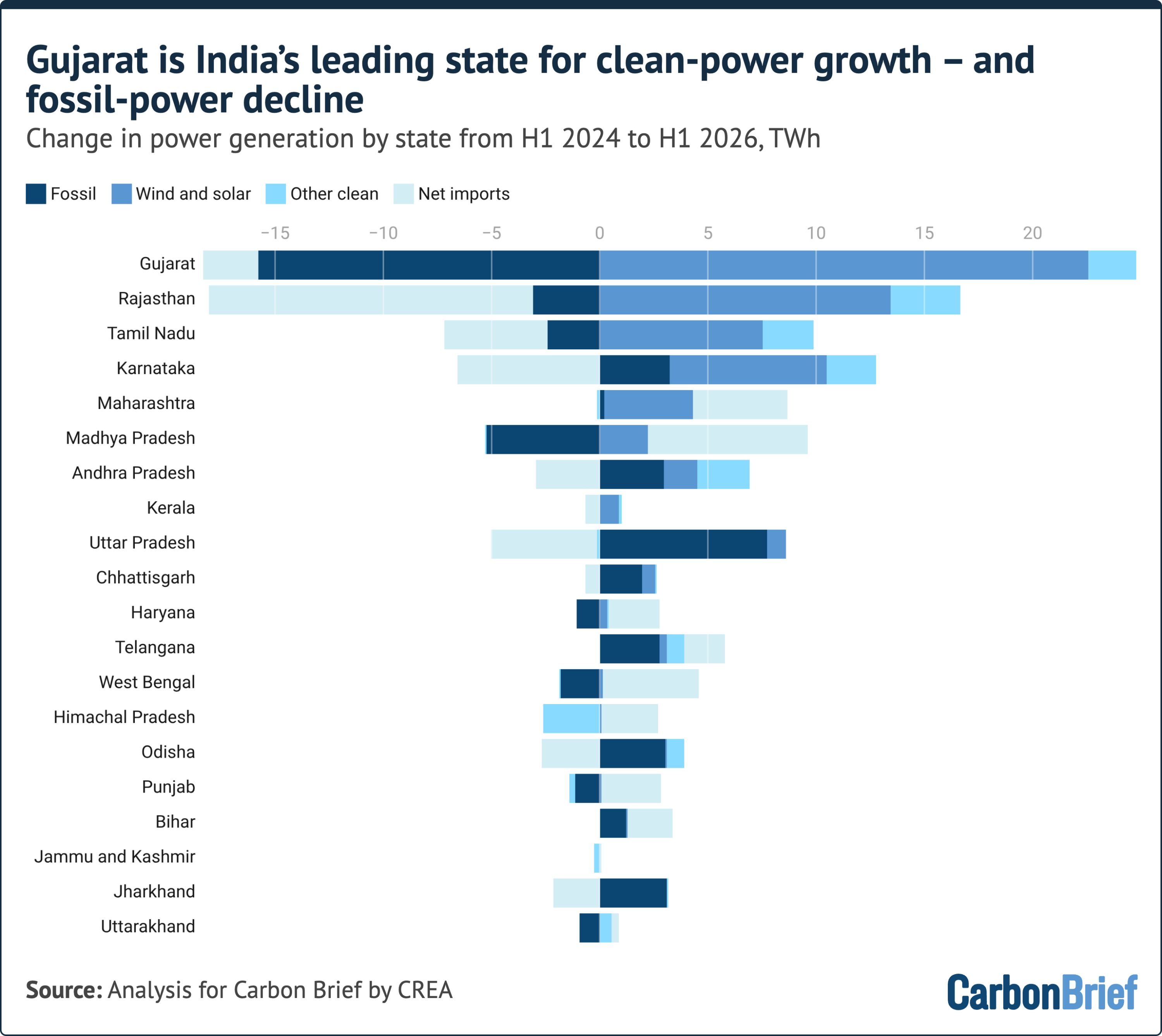
The state of Gujarat has emerged as the vanguard of this transition. It recorded the largest reduction in fossil-fuel generation alongside the most aggressive expansion of clean energy capacity. Other states, including Rajasthan and Tamil Nadu, followed suit, demonstrating that the shift is not merely a national policy outcome but a geographically diverse transition driven by regional investment in renewable infrastructure.
The Role of Global Energy Shocks
Parallel to the power sector’s progress, India has seen a two-year decline in total oil and gas consumption. This reduction has been instrumental in shielding the Indian economy from the volatility of global energy markets, particularly in the wake of the Hormuz crisis. By curbing reliance on imported hydrocarbons, India has improved its trade balance and bolstered its domestic energy security.
However, the transition has not been without friction. The Hormuz-related disruptions to global fuel supply chains forced several state governments to temporarily relax environmental regulations, permitting the use of dirtier fuels like furnace oil and coal in commercial and industrial settings to prevent widespread energy shortages. This highlights the vulnerability of the industrial sector, which remains trapped in a reliance on fossil fuels due to a significant lag in electrification.
Industrial Emissions: The Remaining Challenge
While the power sector has found its equilibrium, the industrial sector presents a persistent hurdle. Steel and cement production saw an 8% and 9% year-on-year increase, respectively, during the first half of 2026. This growth was spurred by record-level institutional investments in the real estate sector and infrastructure projects.
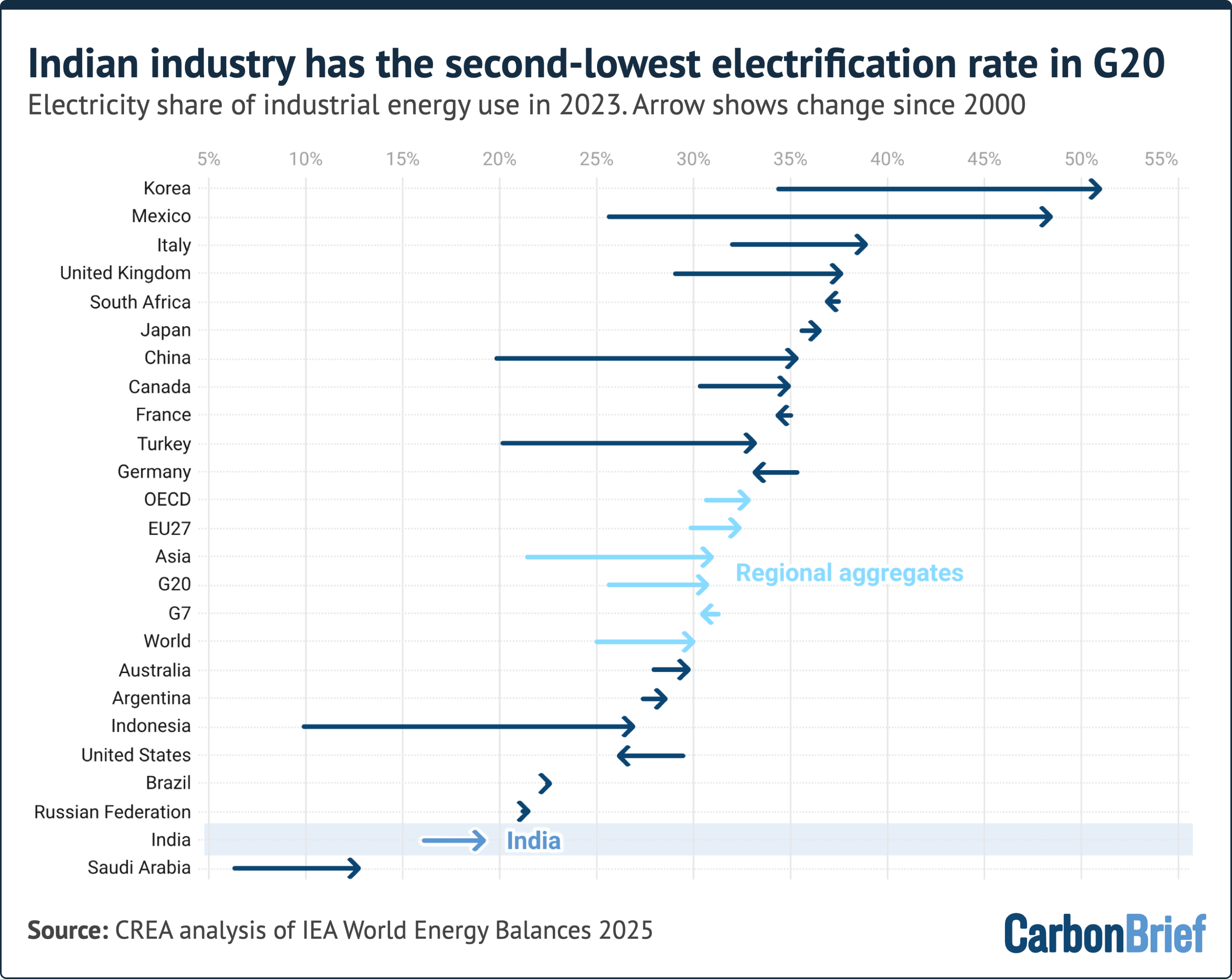
India currently maintains one of the lowest electrification rates in the industrial sector among G20 nations. Because these industries rely on direct fossil-fuel combustion for high-temperature heat, their growth directly translates into higher CO2 emissions. Analysts note that unless the government prioritizes the electrification of industrial heating—through technologies such as industrial heat pumps and electric furnaces—the gains made in the power sector will continue to be offset by industrial output.
Infrastructure and Regulatory Roadblocks
If India intends to maintain this momentum, the government must address critical bottlenecks in the national electricity grid. The current surge in clean energy has occasionally outpaced the ability of the grid to distribute power, leading to "curtailment"—the forced wasting of clean energy because it cannot be accommodated by the transmission network.
To mitigate this, the Central Electricity Authority (CEA) has been pushing for an aggressive rollout of energy storage. As of mid-2026, the government has issued tenders for approximately 272 GWh of storage, including a mix of pumped hydro and battery systems. The current goal is to reach 82 GWh of capacity by 2027 and expand that to 411 GWh by 2031-32.
Furthermore, coal-power plants require greater operational flexibility. Currently, many plants operate as baseload power, making it difficult to ramp down production during periods of peak solar and wind output. A long-delayed "flexibility plan" for these plants is viewed by energy experts as essential to preventing further renewable energy curtailment.
The Persistence of Coal Investment
Despite the success of clean energy, the fossil-fuel industry continues to pursue capital-intensive projects that threaten to lock in high emissions for decades to come. Approximately 43 GW of new coal-power capacity was under construction as of June 2026. Government officials argue that this additional capacity is a necessary hedge against peak load volatility, even as solar and battery storage begin to handle evening and daytime peaks.
Additionally, the government is heavily promoting "coal gasification"—a process to convert coal into chemical feedstocks like plastic and fertilizer. While the current technology is nascent in India, the official target is to process 100 million tonnes of coal annually through this method within the next four years. Critics argue that this strategy contradicts the national commitment to reducing the carbon footprint of the industrial sector.
A Path Forward: Electrification and Efficiency
The evidence from the first half of 2026 suggests that India is at a critical juncture. The power sector has demonstrated that it can meet developmental needs without further increasing carbon emissions. However, the broader economy remains tethered to fossil fuels through industrial processes and heavy transport.
The rise of electric vehicle (EV) adoption, particularly in the two-wheeler and commercial segments, is beginning to moderate growth in petroleum demand. Policies such as the 20% ethanol-blending mandate—achieved five years ahead of schedule—are also providing a cushion against rising fuel costs.
Looking ahead, the next phase of India’s energy transition will depend on three pillars:
- Grid Modernization: Scaling up transmission capacity to move power from renewable-rich states to industrial hubs.
- Industrial Electrification: Providing the regulatory framework and incentives to transition heavy industry from coal and gas to electricity.
- Storage Integration: Ensuring that renewable power is available when the sun isn’t shining and the wind isn’t blowing, thereby reducing the perceived need for new coal plants.
Conclusion
India’s performance in the first half of 2026 serves as a powerful case study for emerging economies. It proves that a massive, rapid deployment of renewable energy can effectively hold the line on emissions in a power sector facing immense demand growth. However, the plateau in power-sector emissions serves as a reminder that the energy transition is not a linear path. As long as heavy industry continues to grow on a foundation of coal, India’s total emissions will remain on an upward trajectory. The challenge for the second half of the decade will be to replicate the success of the power sector within the walls of the nation’s steel mills, cement plants, and manufacturing facilities.