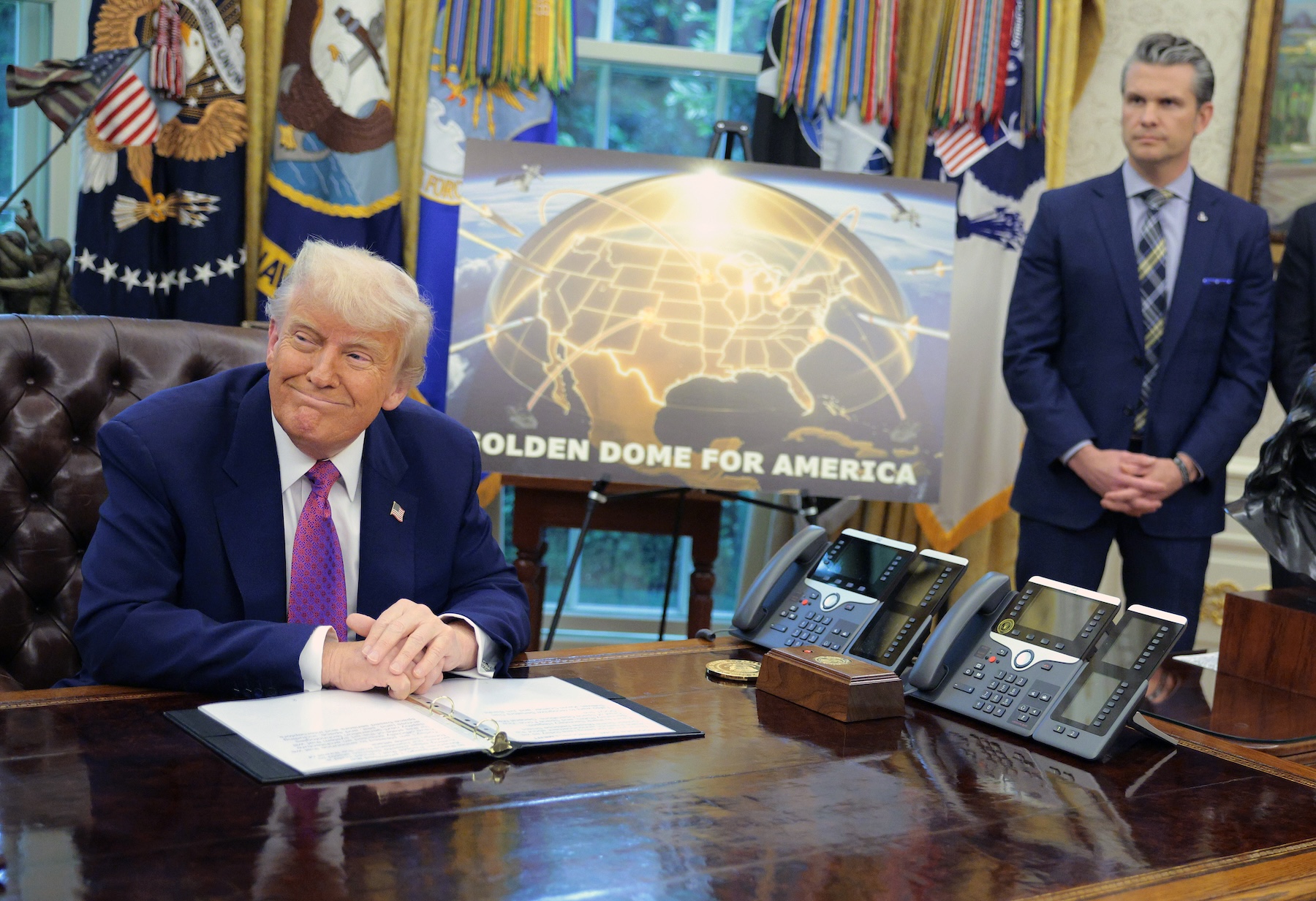
The political future of the Pentagon’s ambitious Golden Dome missile defense initiative faces a period of intense scrutiny and potential restructuring as a new Democratic majority prepares to assume control of Congress in January. Launched during the opening weeks of President Donald Trump’s second term in January 2025, the program—designed as an expansive shield against traditional ballistic missiles, hypersonic weapons, and drone swarms—is now at a critical inflection point. With key Republican architects of the program departing Capitol Hill and Democratic leaders signaling a pivot toward more fiscally conservative and technically viable defense priorities, the signature initiative of the current administration appears destined for a significant overhaul, including a probable rebranding and a reduction in scope.
The program, which sought to consolidate existing missile defense efforts while accelerating the development of Space-Based Interceptors (SBIs) and advanced sensor layers, was pushed through via a controversial budget reconciliation process. This legislative shortcut, which allowed the administration to bypass traditional bipartisan deliberation, resulted in a $24 billion initial allocation that now sits at the center of a looming budgetary showdown. With the fiscal year 2026 funding cycle concluded and the government operating under a continuing resolution, the program’s financial momentum has stalled, leaving incoming legislative leaders with the authority to rewrite the Pentagon’s spending priorities.

A Chronology of Ambition and Friction
The inception of the Golden Dome program was marked by high expectations and immediate political polarization. In January 2025, President Trump signed an executive order mandating a consolidated, layered defense architecture. The military objective was clear: protect the continental United States from an increasingly complex array of threats. However, the decision to bundle the first tranche of funding into a massive, partisan reconciliation bill effectively insulated the project from the standard oversight typically applied to Department of Defense appropriations.
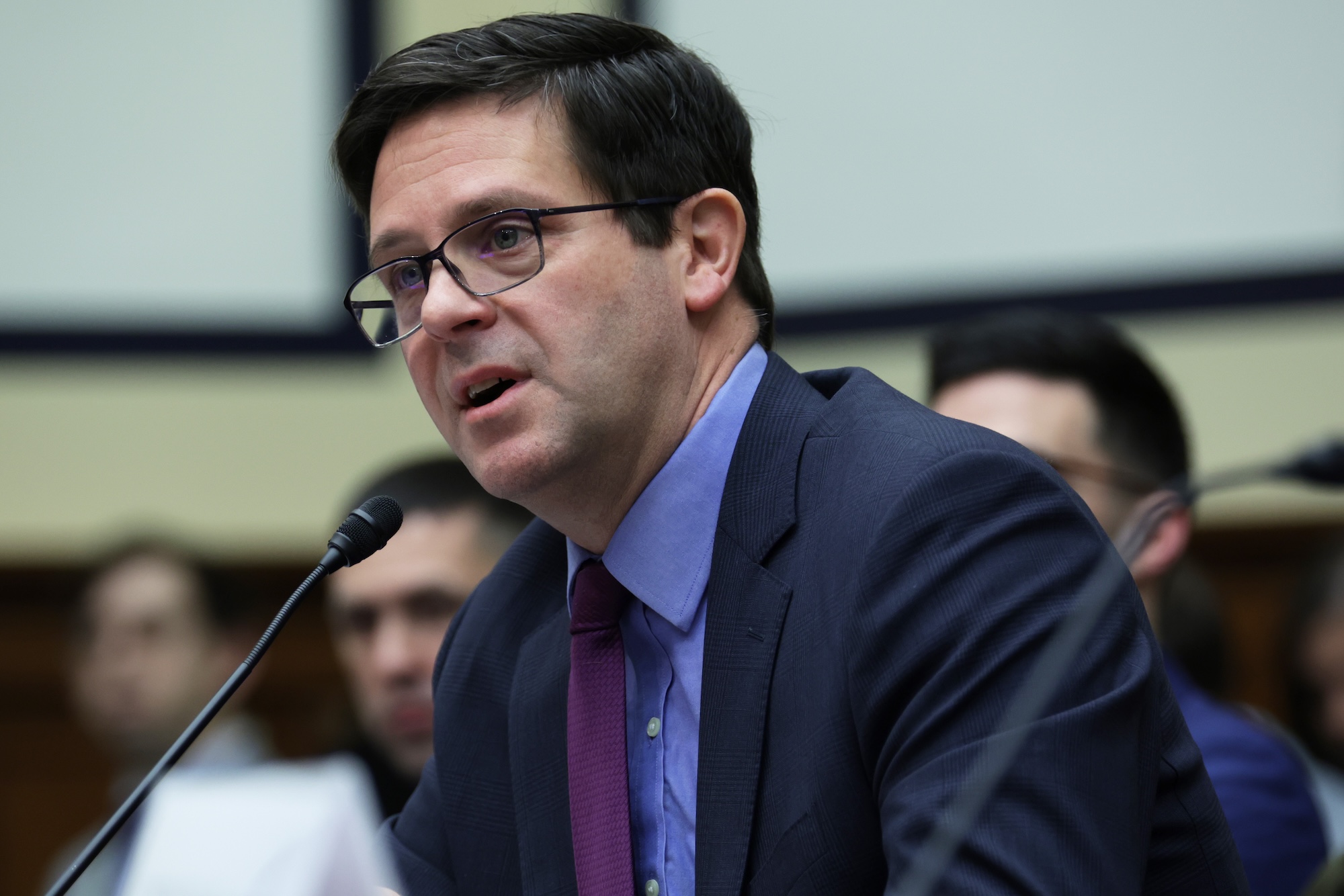
By the summer of 2026, the political landscape had begun to shift. The midterms saw the departure of prominent supporters, including the co-chair of the House Golden Dome Caucus, Rep. Jeff Crank, and the chair of the House subcommittee overseeing the program, Rep. Scott DesJarlais. Their exit, combined with the anticipated elevation of Rep. John Garamendi to the chairmanship of the House Subcommittee on Strategic Forces, suggests that the "massive, extraordinarily expensive" program will face rigorous re-evaluation. Garamendi and other critics have long argued that the project’s scope—particularly the reliance on unproven space-based technology—outstrips its strategic utility.
Technical Hurdles and Financial Reality
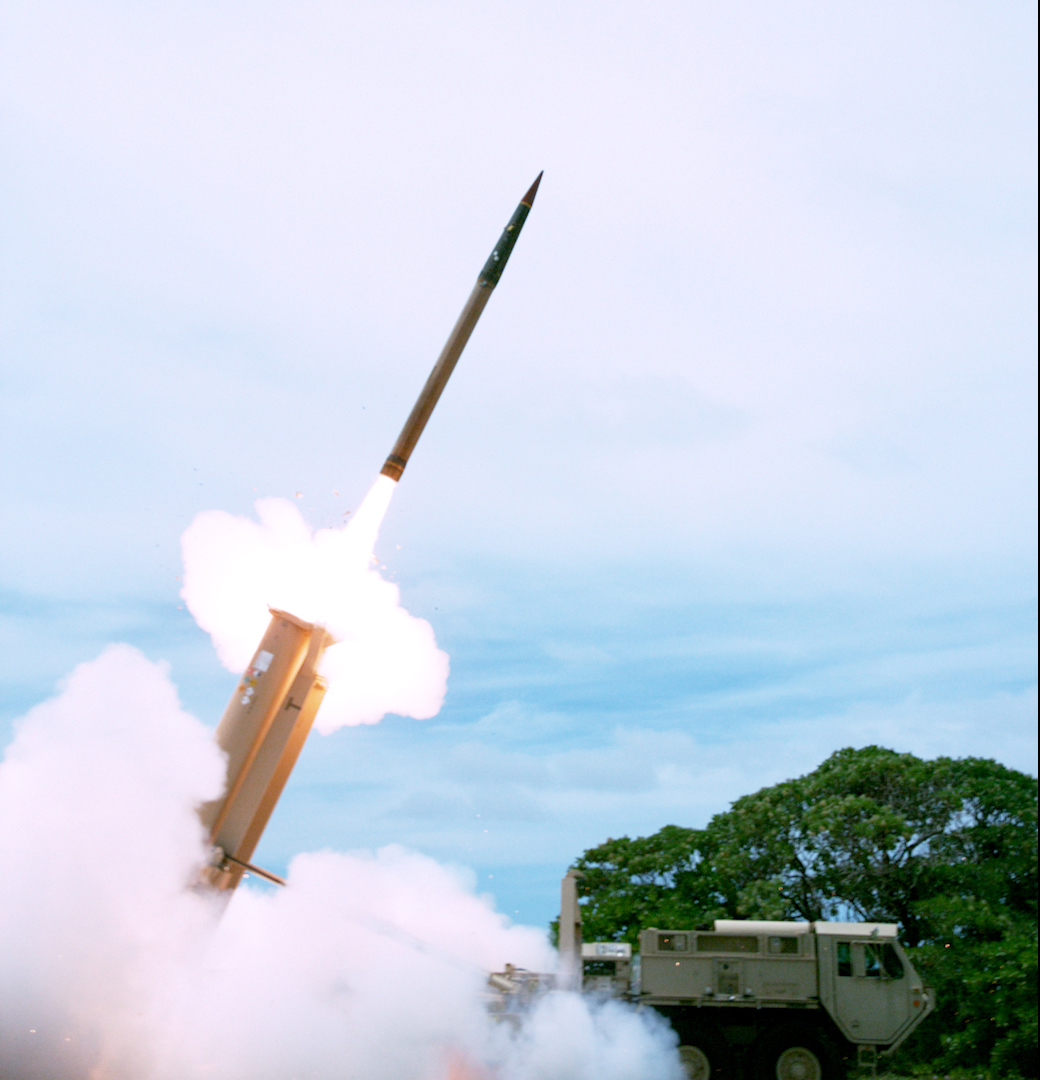
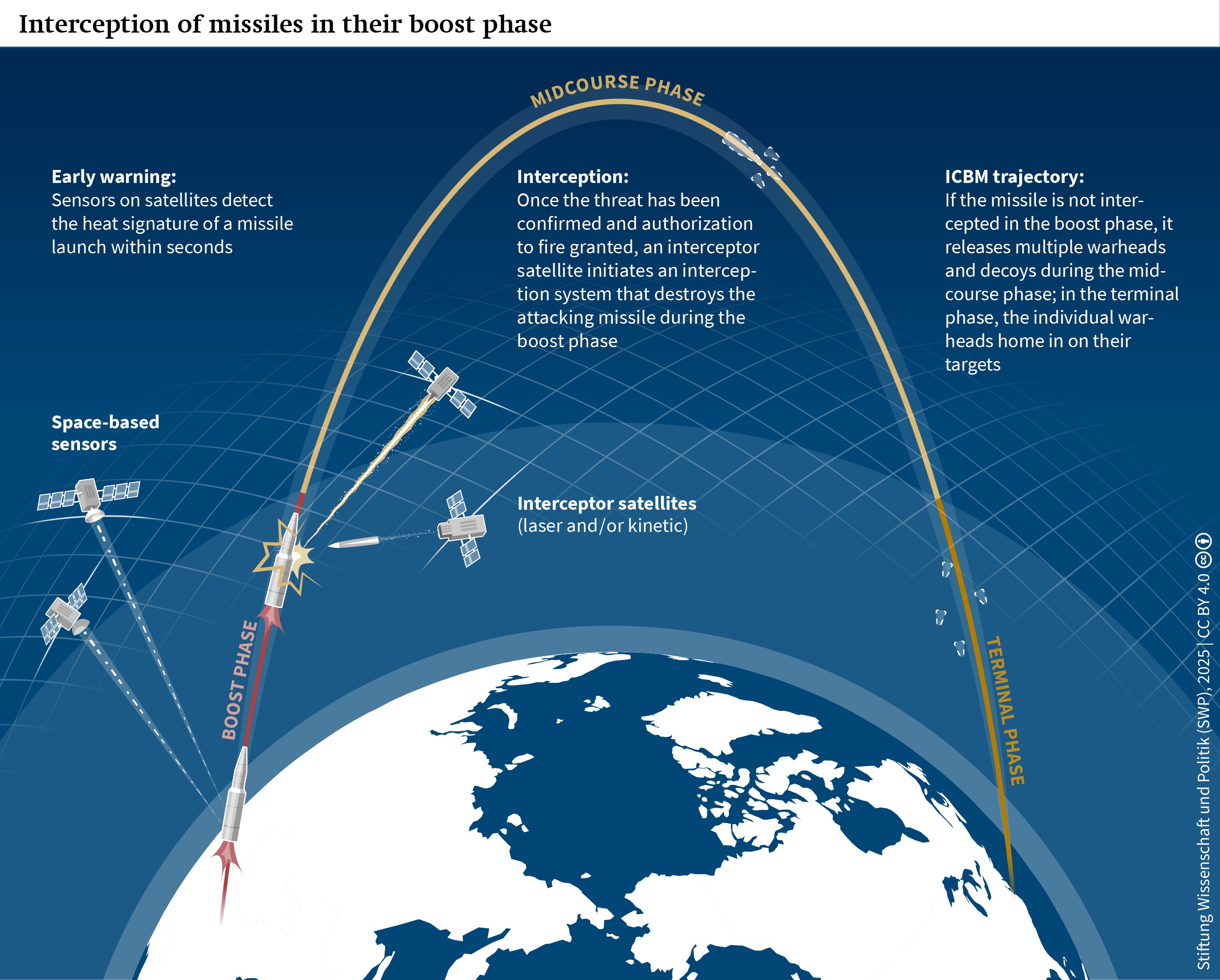
At the core of the controversy is the ambitious Space-Based Interceptor (SBI) layer. While the concept of intercepting missiles from orbit has been explored since the Strategic Defense Initiative of the 1980s, it remains a significant technical challenge. SBIs must distinguish threats against the complex, cluttered background of the Earth—a task significantly more difficult than intercepting targets in the cold, empty vacuum of space. Furthermore, the requirement for "boost-phase" interception, where an enemy missile is targeted shortly after launch, introduces a narrow window of opportunity that complicates command-and-control protocols.
The financial projections for the system vary wildly, reflecting the uncertainty surrounding its ultimate design. While the Trump administration projected a $185 billion cost over a decade, the Congressional Budget Office (CBO) offered a much more sobering assessment, estimating that a fully realized system could cost upwards of $1.2 trillion. Independent analyses from the American Enterprise Institute have suggested an even broader range of potential expenditures, noting that the cost could reach $3.6 trillion depending on the final architecture chosen. Pentagon officials have pushed back against these figures, citing anticipated efficiencies from mass-produced satellite networks and lower-cost launch vehicles, yet the lack of transparency regarding the system’s operational design makes these claims difficult for independent observers to verify.
Strategic Implications and Global Stability
The debate over Golden Dome extends beyond domestic politics and into the realm of international security. Critics, including former Biden-era officials such as Frank Kendall, have warned that a defensive shield of this magnitude could inadvertently trigger a new arms race. If nuclear-armed adversaries perceive the US as having a viable, impenetrable shield, they may feel compelled to dramatically expand their own offensive capabilities to ensure a credible deterrent.
Furthermore, the weaponization of space—a trend the US Air Force acknowledged in September 2026—carries significant diplomatic risks. As the Pentagon seeks to build the infrastructure for Golden Dome, it requires the cooperation of international partners to host radar stations and ground sensors. The Trump administration’s aggressive use of tariffs has created friction with key allies, such as Canada, potentially limiting the geographical reach and effectiveness of the proposed shield. General Michael Guetlein, the program manager for Golden Dome, has openly admitted that trade disputes have complicated these vital international discussions.

The Shift Toward Pragmatism
As the new Congress prepares to convene, the focus is shifting from "what" the administration wants to "what" is actually feasible. Several experts suggest that the most likely outcome is a "cull" of the most speculative elements, such as the full-scale SBI constellation, while retaining the more mature components of the system. Existing programs, such as the next-generation Ground-Based Interceptors currently being developed by Lockheed Martin, already enjoy broad bipartisan support and are likely to continue regardless of the program’s branding.
There is also a growing consensus in favor of "magazine depth"—the ability to defend against mass salvos of drones and cruise missiles—over the pursuit of an absolute, monolithic shield. Directed-energy weapons, such as lasers and high-power microwaves, are increasingly viewed as more cost-effective solutions for the modern threat environment. These technologies, which offer a lower cost-per-shot ratio than traditional kinetic interceptors, are expected to receive increased funding in the coming budget cycles.
The Role of Industry and Innovation
Despite the political headwinds, the private sector remains heavily invested in the underlying technologies. Companies such as Rocket Lab and various smaller, agile space firms continue to iterate on propulsion and sensor technologies, viewing the shift in political winds not as the end of the program, but as a transition toward a more sustainable and technically realistic defense architecture. Industry leaders acknowledge that while the "Golden Dome" brand may be toxic, the underlying need for a multi-layered defense is a bipartisan imperative.
"There’s no doubt that whatever it’s going to be called, it won’t be called Golden Dome," said Dylan Taylor, CEO of Voyager Technologies. His sentiment reflects a broader industry belief that the program will undergo significant "machinations" rather than a total cancellation. The goal for many in the defense sector is to ensure that critical capabilities survive the legislative process, even if they are rebranded to escape the political baggage of the previous administration.
Future Outlook: A Search for a "Better Problem Statement"
As the legislative session approaches, the fundamental question facing the new Congress is whether the current strategy for homeland defense addresses the realities of 21st-century warfare. Former military officials have urged policymakers to step back and develop a "better problem statement." The transition from a bipolar Cold War environment to a multipolar world involving hypersonic weapons, cruise missiles, and persistent drone threats requires a nuanced approach that transcends the "Star Wars" models of the past.
The upcoming debates in the House and Senate will likely center on these core questions: Can the system be built at a scale that is both effective and affordable? Can the technological hurdles of boost-phase interception be overcome without relying on dangerous, automated "kill decisions"? And finally, can the United States build a defense that enhances stability rather than incentivizing an escalation of global offensive arsenals?

While the "Golden Dome" label may vanish from official documents by the end of 2027, the underlying effort to modernize US missile defense is unlikely to disappear. Instead, the program is poised to enter a new, more cautious chapter, characterized by a return to traditional oversight, a focus on proven technologies, and a recalibration of ambitions to align with both fiscal reality and international security requirements. The final architecture of this shield will ultimately be decided by the balance between technological promise and the pragmatic constraints of a divided Washington, leaving the nation’s defense in a state of transition as it seeks to navigate an increasingly volatile global security landscape.