Mazda Deepens Strategic Reliance on Chinese Partnership to Accelerate Electric Vehicle Expansion

The Japanese automotive landscape is undergoing a profound transformation as Mazda Motor Corporation signals a decisive pivot toward deeper collaboration with its longstanding Chinese partner, Changan Automobile. This strategic maneuver, designed to navigate the tightening net of global emissions regulations and the high costs of independent electrification, represents a departure from Mazda’s historical reliance on internal research and development. By integrating more Chinese-engineered electric vehicles (EVs) into its global portfolio, Mazda is effectively outsourcing a significant portion of its zero-emissions product roadmap to stay competitive in an era where software-defined vehicles and battery technology are dictating market survival.
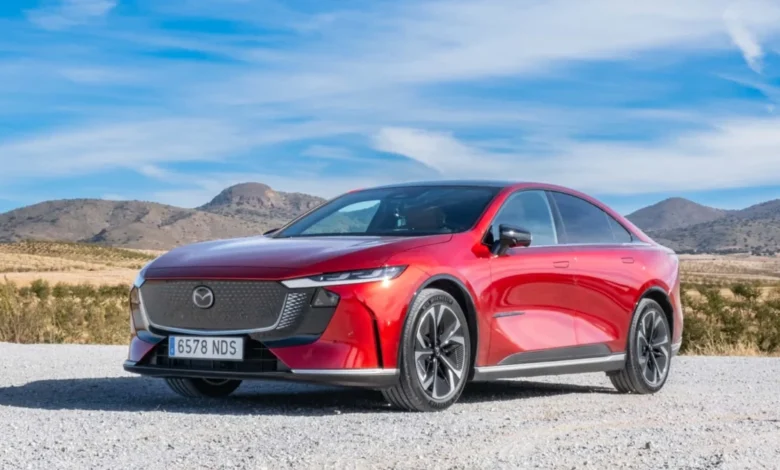
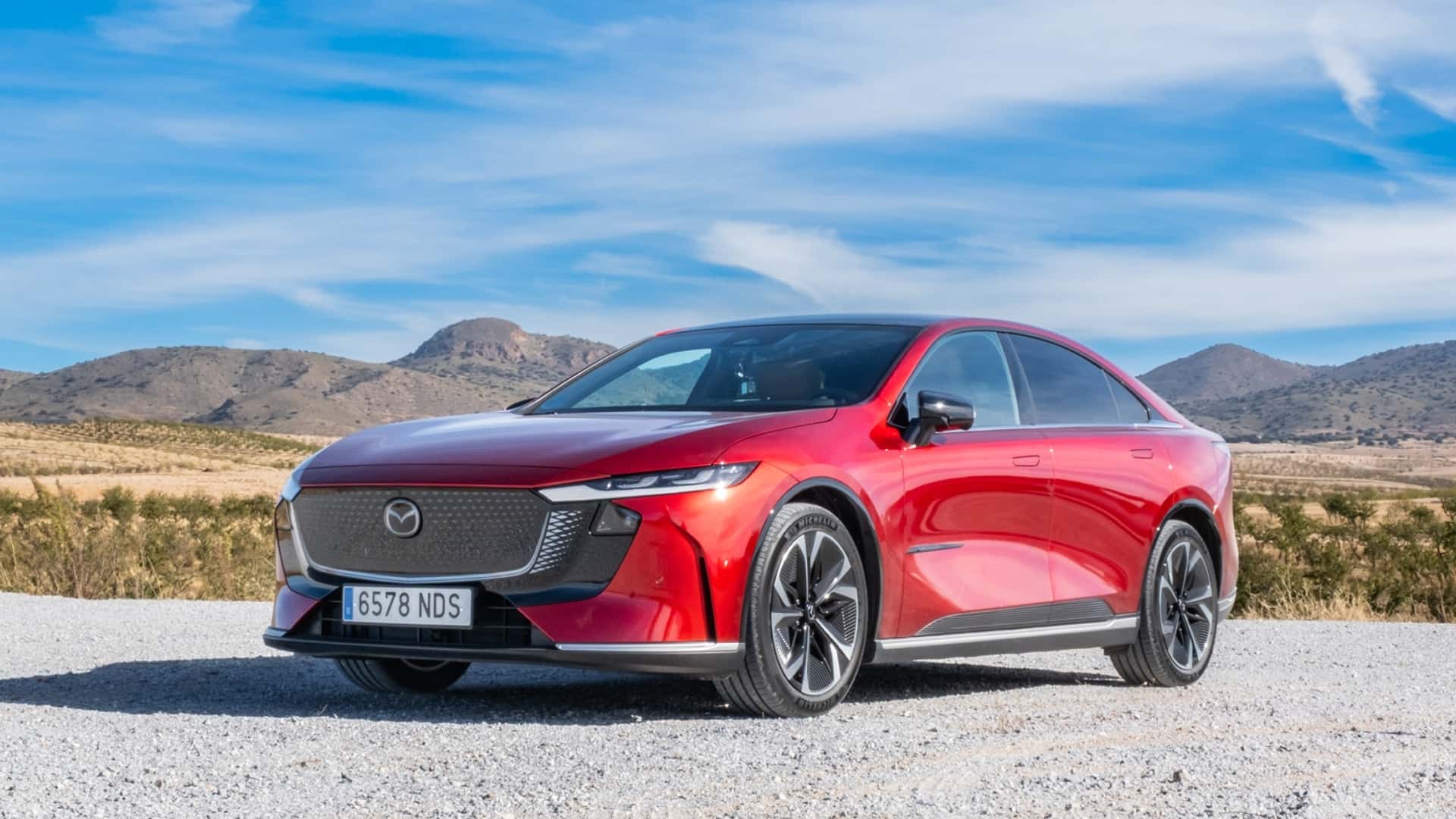
The confirmation of this shift came directly from Vinesh Bhindi, managing director of Mazda Australia, who noted that the current lineup of China-made EVs—specifically the 6e liftback and the CX-6e SUV—is merely the opening act. The company has entered into active, high-level discussions with Changan to identify and develop additional electric models. When pressed on whether Mazda would rely on its Chinese partner to shoulder the burden of EV development while the Japanese automaker focuses on its own internal powertrain innovations, Bhindi offered a clear confirmation: “Absolutely.”
A Strategic Pivot from Independent Development
For decades, Mazda has maintained a reputation as an automotive contrarian, often prioritizing internal combustion refinement, lightweight chassis engineering, and the pursuit of “Jinba Ittai”—the harmony between car and driver—over the rapid adoption of battery-electric technology. However, the commercial reality of the 2020s has rendered this “multi-solution” approach increasingly difficult to maintain in a vacuum.
The European market, in particular, has become a crucible for this change. The European Union’s aggressive fleet-average emissions targets have forced manufacturers to either slash carbon output or face prohibitive financial penalties. This regulatory pressure has already claimed victims within Mazda’s traditional lineup, most notably the forced discontinuation of the 2.0-liter engine option for the iconic Mazda MX-5 Miata in Europe. As compliance costs rise, the ability to rapidly deploy EVs—which count toward credit compliance—has shifted from a competitive advantage to a corporate necessity.
By leveraging the manufacturing ecosystem and technological expertise of Changan, Mazda is bypassing the multi-year, multi-billion-dollar R&D cycles that typically define the transition to electric architectures. This allows the Japanese brand to maintain its focus on its core strengths—such as the upcoming Skyactiv-Z combustion engines and hybrid systems—while simultaneously populating its showrooms with the battery-electric products that regulators and certain segments of the market now demand.
The Chronology of the Mazda-Changan Alliance
The deepening ties between Mazda and Changan are not a sudden development but the culmination of a long-standing joint venture.
- 2005–2010: The foundation was laid through the Changan Mazda joint venture, focused primarily on localizing internal combustion engine (ICE) vehicles for the massive Chinese market.
- 2020: Mazda launched the MX-30, its first dedicated global EV. The vehicle suffered from limited range and niche appeal, leading to a commercial underperformance that forced the company to reconsider its EV strategy.
- 2023: Recognizing that its internal EV development was lagging behind global competitors, Mazda began shifting its mid-term corporate roadmap to integrate more collaborative EV development.
- 2024: Mazda introduced the 6e and CX-6e, designed and built in China under the joint venture. These models signaled the shift from "in-house only" to "platform sharing" with Chinese partners.
- 2025 and Beyond: Mazda has publicly outlined plans for two additional EV models to be developed with Changan, expected to debut in the 2028–2030 window.
Bridging the Gap: Maintaining Brand Identity
A primary concern for stakeholders is whether these Chinese-built models will retain the "Mazda DNA" that customers expect. Mazda management has been quick to address these concerns, emphasizing that the partnership is not a simple rebadging exercise.
The current operational model involves a division of labor: the Nanjing facility serves as the production hub, while Mazda’s engineering teams in Europe and Japan remain heavily involved in tuning the ride, handling, and steering dynamics. By injecting their own chassis calibration and interior design philosophy into the Changan-developed architectures, Mazda aims to create products that feel like authentic Mazda vehicles rather than generic imports. Bhindi noted that significant effort has been invested to ensure the vehicles feel distinct, and that the company sees clear opportunities to continue this collaborative refinement process.
The Financial and Regulatory Drivers
The global automotive sector is currently grappling with a "two-track" reality. In markets with robust charging infrastructure and strict mandates, such as China and parts of Europe, EVs are mandatory. In other regions, particularly where power grids are still evolving or where internal combustion remains the preferred choice for long-distance travel, hybrid technology remains king.
Mazda’s decision to halve its direct EV investment and redirect those funds toward hybrid systems and the Skyactiv-Z engine reflects a pragmatic allocation of resources. By utilizing Changan as an "EV engine," Mazda can keep its own R&D capital fluid. This approach is intended to mitigate the financial risk associated with the high cost of EV batteries and software. The company is effectively hedging its bets: if the global transition to EVs accelerates, it has the Changan pipeline to scale up quickly; if the market continues to demand gas-powered or hybrid vehicles, it has the resources to continue its legacy engineering excellence.
Broader Industry Implications
Mazda is far from the only automaker navigating this path. The industry has seen a broader trend of "co-opetition," where traditional legacy brands enter into technology-sharing agreements with Chinese tech giants and manufacturers like BYD, SAIC, and Changan. These Chinese entities have, in a remarkably short period, mastered the integration of lithium-ion battery management, high-density cell production, and integrated infotainment software.
For Mazda, the risk is brand dilution; the benefit is market survival. The company’s ability to successfully navigate this transition depends on its capacity to balance the "Shenzhen speed" of EV innovation with the high-quality, tactile feedback that has defined the brand since its inception.
The commitment to electrifying even the Miata platform in the future serves as the ultimate litmus test for this strategy. If Mazda can maintain the lightweight, engaging spirit of its flagship sports car while incorporating battery technology—either via internal development or further partnerships—it may prove that it is possible to modernize a heritage brand without sacrificing its soul.
Future Outlook
As the 2028–2030 horizon approaches, the automotive industry will be watching to see if the two additional models currently in discussion with Changan will be exclusively for the Chinese market or if they will serve as the next wave of global exports. The success of the current 6e and CX-6e in export markets will likely dictate the scale and scope of these future projects.
Ultimately, Mazda’s strategy is a recognition that in the modern automotive era, no manufacturer is an island. By integrating the manufacturing scale of China with its own heritage-driven engineering, Mazda is attempting to forge a third path: one that is neither entirely beholden to the EV mandate nor entirely stagnant in its combustion-engine past. It is a delicate balance of pragmatism and brand stewardship, and its success will likely determine the company’s trajectory for the next two decades.
The path ahead remains fraught with geopolitical complexities, particularly regarding trade tariffs on Chinese-made vehicles in the United States and Europe. However, by establishing a sophisticated, collaborative framework with Changan now, Mazda is ensuring that it has the flexibility to pivot as both global regulations and consumer appetites continue to shift with unprecedented speed. For now, the "Zoom-Zoom" brand is betting that it can borrow the electric future to protect its combustion-engine present, a gamble that, if successful, will keep the company relevant in a world where the definition of a car is being rewritten every day.