Tesla Reopens Reservations for the Next-Generation Roadster Requiring a Fifty Thousand Dollar Deposit Ahead of October Unveil

Tesla has officially reopened its reservation portal for the next-generation Tesla Roadster, requiring prospective buyers to commit a substantial fifty-thousand-dollar deposit nearly two weeks before the vehicle’s scheduled public unveiling. The reservation platform went live ahead of a heavily anticipated October 1 launch event near Waco, Texas. This marks the second time the Austin-based automaker has solicited substantial capital for the high-performance sports car, reviving an initiative that has faced severe skepticism and profound delays since its initial introduction nearly a decade ago.
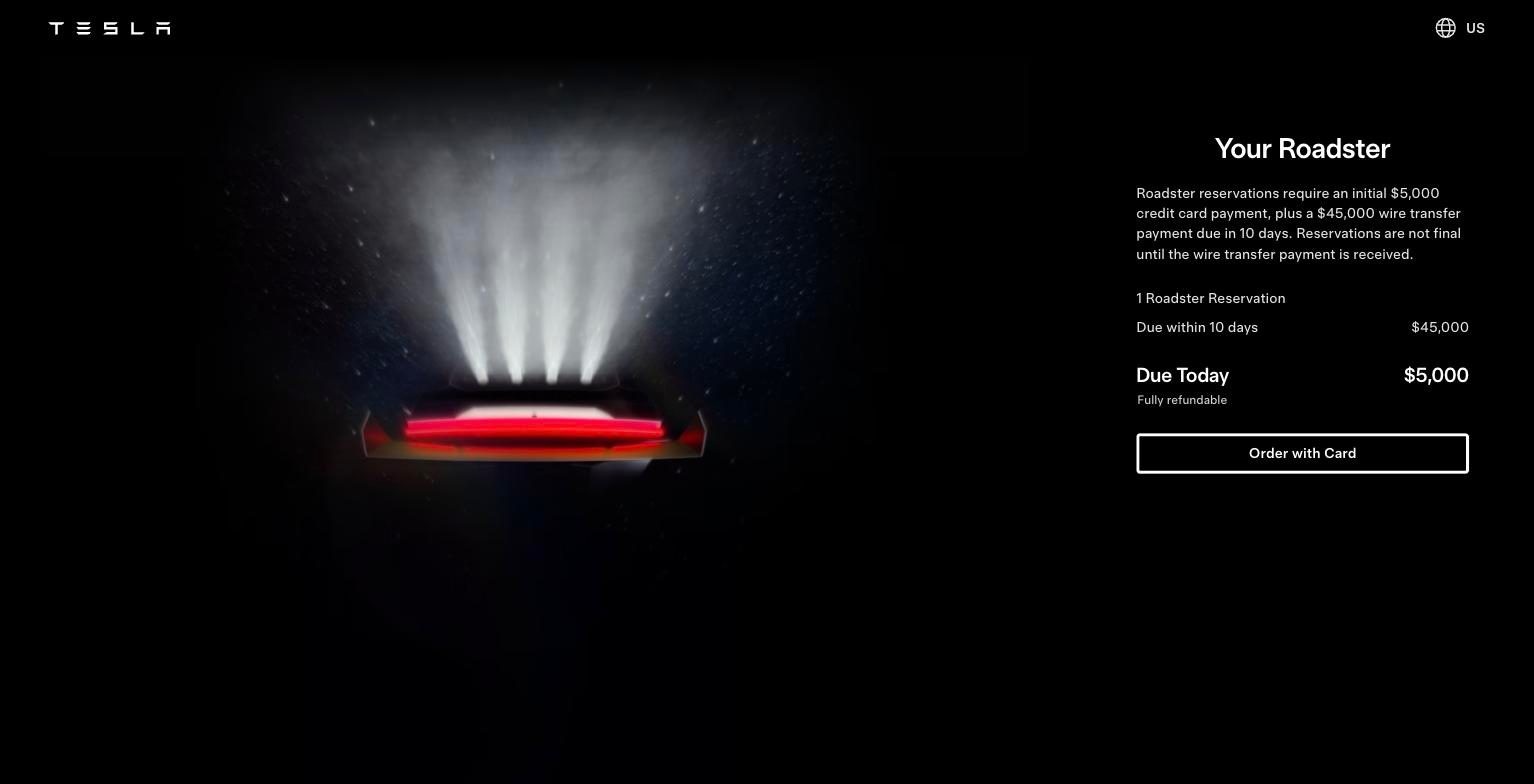
The transaction structure requires an immediate, fully refundable payment of five thousand dollars via credit card, followed by the remaining forty-five thousand dollars through a wire transfer within a ten-day window. According to the updated reservation terms, the acquisition slot is not formally secured until the wire transfer has fully cleared within Tesla’s accounts. This high-barrier financial requirement mirrors the conditions set during the vehicle’s initial unveiling, prompting scrutiny from automotive analysts, industry observers, and frustrated early depositors who have watched a series of shifting deadlines pass without delivery.
A Chronology of Delays: The Nine-Year Wait for the First Generation
The tumultuous history of the modern Tesla Roadster began in November 2017 during an unexpected appearance at the company’s Semi truck unveiling event. CEO Elon Musk drove a prototype onto the stage, captivating the automotive world with staggering performance metrics. At the time, Tesla mandated a similar fifty-thousand-dollar deposit for standard reservations, alongside a quarter-million-dollar "Founders Series" tier that required the entire sum upfront to secure one of the first one thousand production slots. During the 2017 presentation, volume production and customer deliveries were promised for the year 2020.
However, those initial production targets were repeatedly pushed back as Tesla shifted its engineering and manufacturing priorities toward high-volume vehicle lines, such as the Model Y, and alternative commercial projects like the Cybertruck and the promised autonomous robotaxi fleet. Over the subsequent eight years, the Roadster’s delivery timeline was delayed at least eight separate times.
The prolonged silence generated considerable friction between the automaker and its most dedicated consumer base. Last year, prominent technology reviewers and early reservation holders—including prominent content creator Marques Brownlee, who had maintained his deposit for eight years—publicly detailed administrative hurdles and delays in securing refunds after requesting cancellations. High-profile entrepreneurs, including OpenAI CEO Sam Altman, also voiced frustrations regarding communication breakdowns when attempting to rescind their financial stakes. The recurrence of these deposit collection methods has reintroduced questions surrounding corporate accountability and the financial mechanics of pre-production vehicle funding.

Anticipated Specifications, Teasers, and the October 1 Reveal
The upcoming October 1 event near Waco, Texas, is expected to finally outline concrete pricing tiers, detailed technical specifications, and realistic production timelines. In the months leading up to the showcase, Musk has heavily publicized unorthodox features intended for the vehicle, most notably a collaborative engineering package utilizing SpaceX-designed cold gas thrusters. According to statements from the automaker’s leadership, these compressed-gas thrusters are intended to dramatically enhance acceleration, braking, and cornering capabilities, theoretically allowing the vehicle to achieve unprecedented performance milestones.
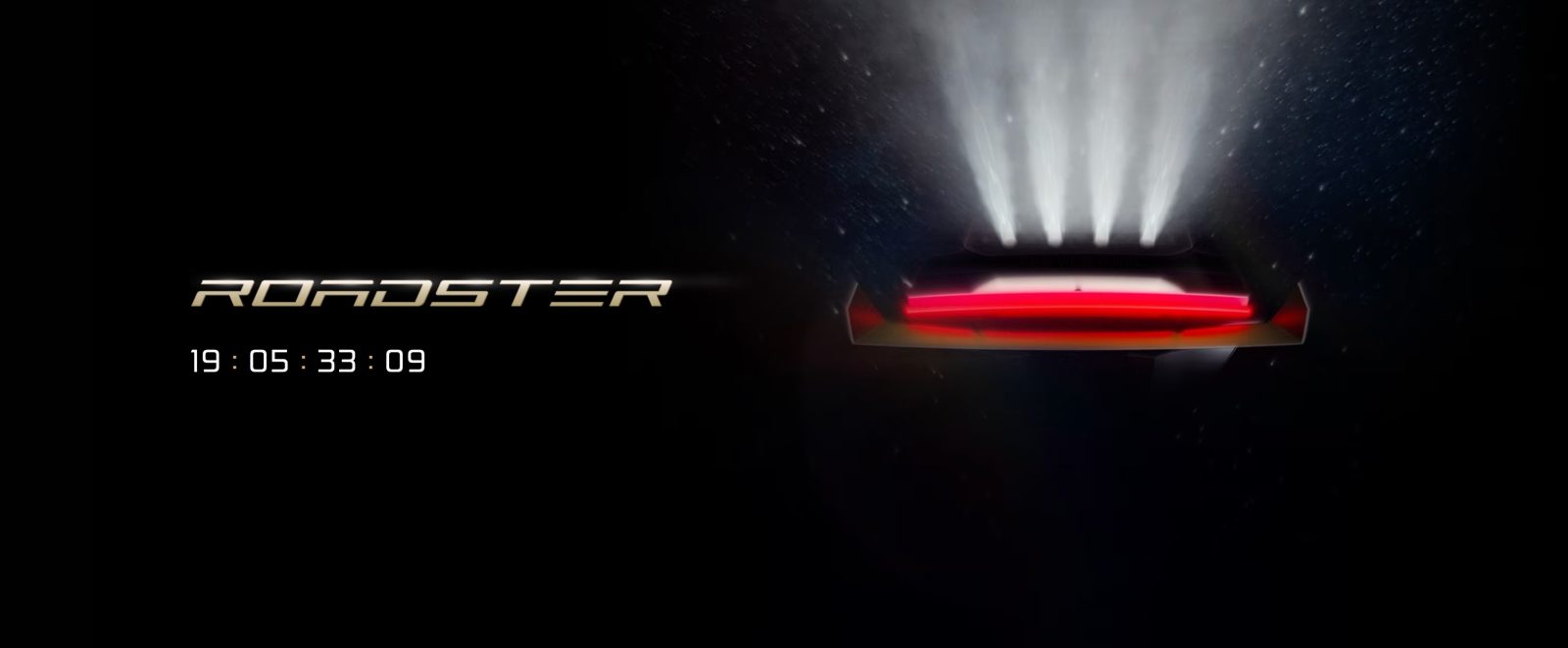
Industry insiders anticipate that the initial demonstration vehicle presented in Texas will likely be a remote-operated, non-street-legal engineering prototype designed to highlight the thruster technology. While the original 2017 prototype promised an extraordinary range of six hundred and twenty miles, a zero-to-sixty-mph acceleration time of under 1.9 seconds, and a top speed exceeding two hundred and fifty miles per hour for a base price of two hundred thousand dollars, recent aesthetic teasers indicate a visual redesign. The updated design language incorporates sharper, angular geometry reminiscent of the Cybertruck and the broader corporate styling shift toward minimalist, industrial aesthetics, featuring a full-width exterior light bar.

Despite the marketing momentum, independent prediction markets remain highly skeptical regarding the commercial viability of a 2026 delivery window. Contracts traded on platforms such as Polymarket place the probability of customer deliveries occurring before the conclusion of 2026 at under five percent, though trading volumes remain relatively thin. Conversely, contracts anticipating initial deliveries arriving throughout 2027 hold higher, albeit cautious, probabilities near sixty-one percent, reflecting a persistent industry consensus that automotive manufacturing timelines will likely experience further compression.
Financial Implications and Consumer Confidence in Pre-Order Models
The practice of collecting substantial capital deposits years in advance of vehicle production has long been a hallmark of Tesla’s capital-raising strategy, utilized previously during the rollouts of the Model 3, Semi, and Cybertruck. However, the Roadster represents an extreme manifestation of this model, given the unprecedented duration between the initial cash collection and the realization of the product. Financial analysts note that while interest-free consumer deposits can provide temporary liquidity and gauge market demand, prolonged project stagnation risks eroding brand loyalty among high-net-worth enthusiasts and early adopters.

The decision to solicit a second wave of fifty-thousand-dollar deposits before displaying a finalized, production-intent prototype underscores a unique corporate confidence. While traditional automotive manufacturers typically reveal finalized production models alongside pricing and binding order books shortly before assembly lines begin rolling, Tesla continues to leverage spectacle and speculative engineering milestones to sustain engagement. Whether the October 1 demonstration will provide sufficient reassurance to convert skeptical reservation holders and attract new capital remains to be seen as the industry watches for concrete manufacturing milestones.